
Why your mini split smells when heating in Alabama
Why does my mini split smell bad when it's heating?
You catch a bad smell every time the heat kicks on, and it's enough to make you want to shut the whole thing off and figure out what's going on before it turns into something bigger. With most homes here heating on electricity, a mini split acting up isn't something you want to just live with through the winter.
Dust and anything else sitting on the heat exchanger is burning off when the unit warms up
A mini split that sat unused since last spring collects dust on its coil and filter, and when the heat strip or compressor warms that coil up for the first time, the smell is that buildup burning off. It usually fades after the unit runs a little while. A musty smell is different and points to mold or mildew growing inside the indoor unit, which is common after a humid Alabama summer where moisture got trapped in the housing. A sharp or electrical smell is not normal at any point and means a part inside the unit needs a look before you run it again.
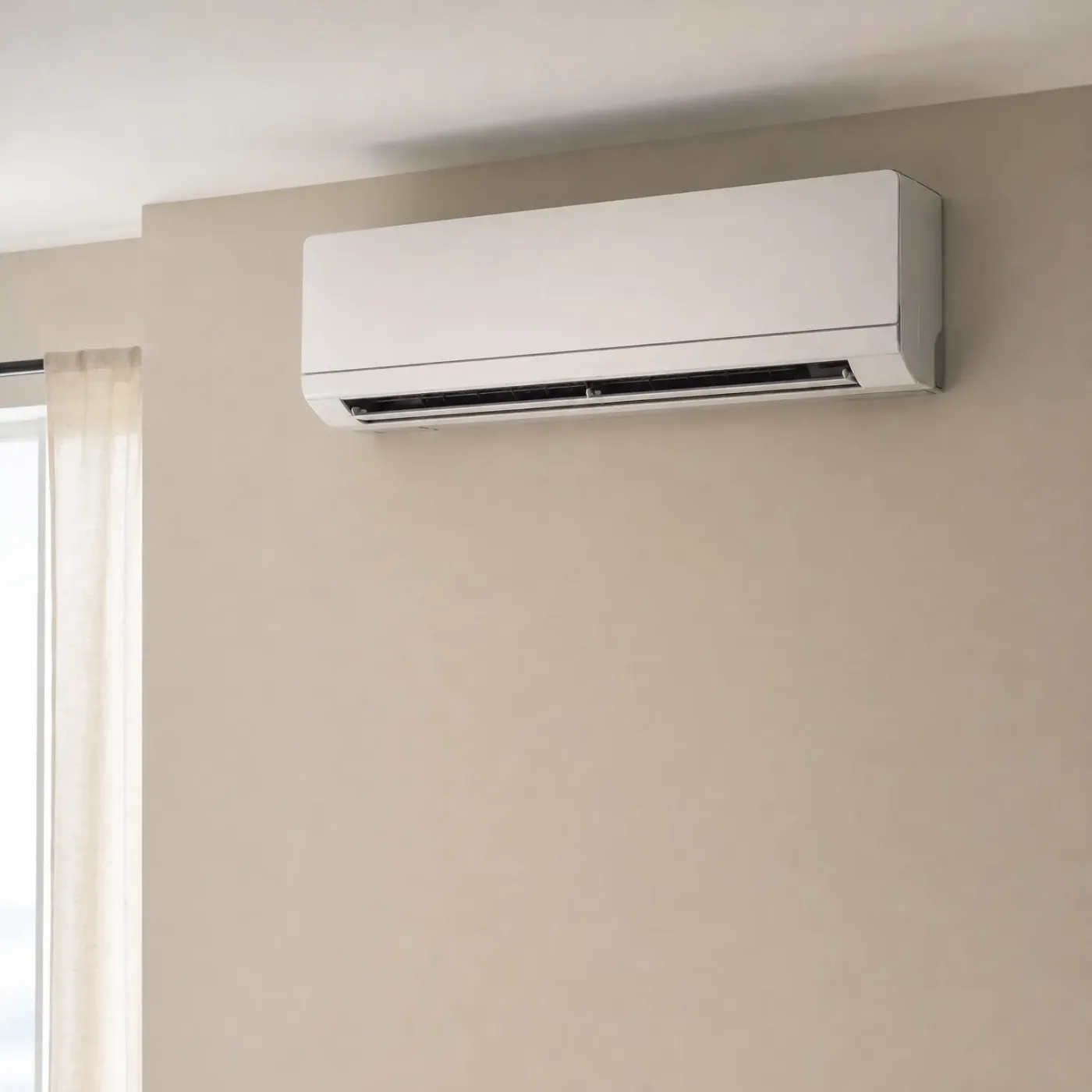
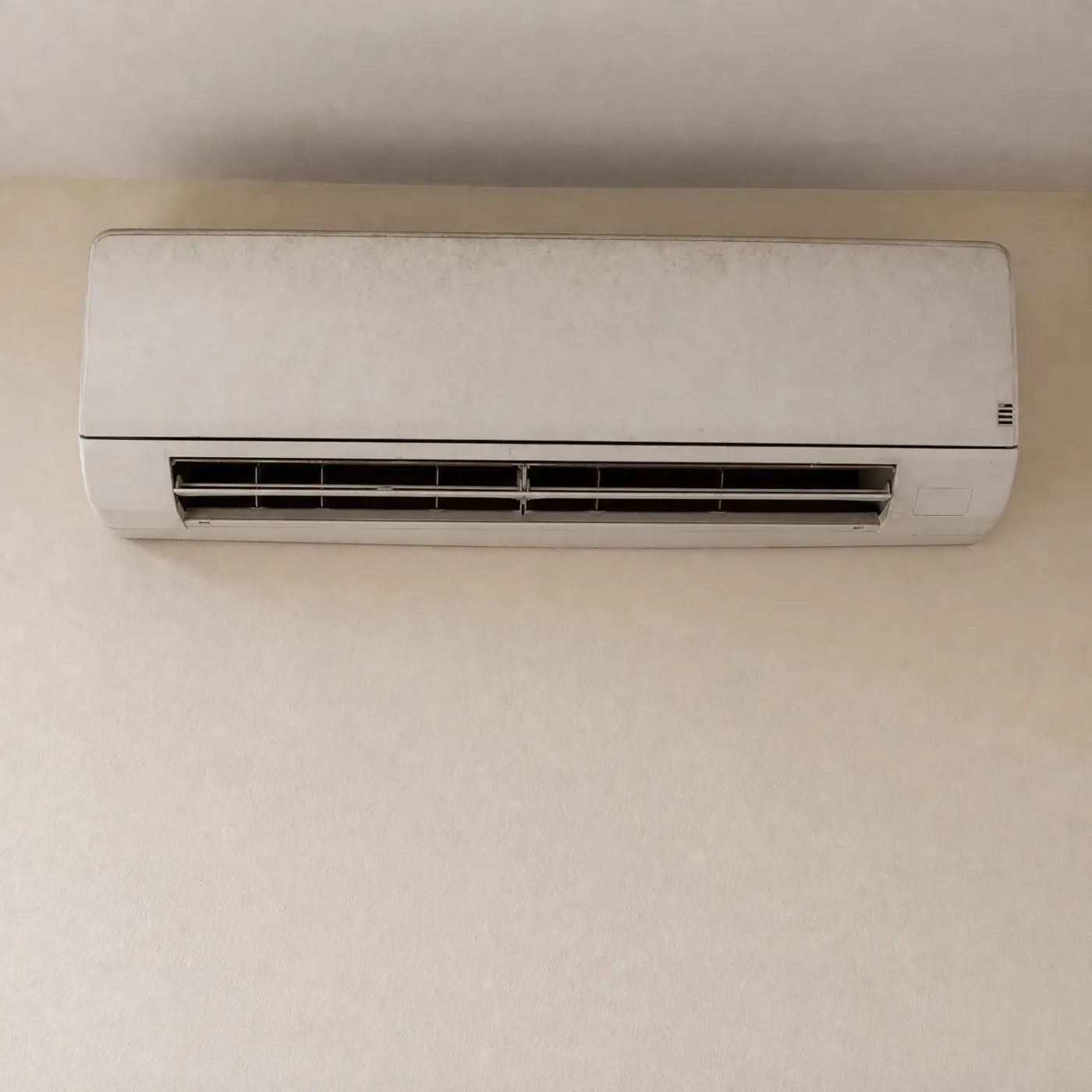
That smell doesn't stay a once-in-a-while thing. It shows up every time the heat kicks on, which in an all-electric house means every day the temperature drops, and that's most of the winter here. Dust and grime sitting on the coil keeps burning off each cycle, so the unit works harder to push air through, and a mini split working harder on electric heat is money you can watch leave on the bill. Leave the buildup alone and the smell is the smallest part of what's at stake. The coil stays dirty, airflow keeps dropping, and parts inside the unit run hotter than they're built to. That's how a smell you could have caught today turns into a repair bill next month, or a unit that quits on a cold night. You already know not to wait on small problems. This one announces itself every time you walk into the room and catch that burnt-dust smell again, so there's no guessing about whether it's still there.
Power costs 16.09 cents per kilowatt-hour statewide
At 16.09 cents a kilowatt-hour, a mini split that keeps cycling heat through a dirty coil is pulling harder than it should to push warm air past that buildup. Get the coil cleaned and it heats your rooms without working the extra watt.
EIA-861 2025 statewide residential average




It's off your list after this
You've already smelled it and you already know it's the coil. What's left is getting someone out to clean it instead of living with that smell every time the heat runs between now and spring. That usually means searching up contractors, calling around to see who answers, explaining the smell and the unit over and over, then weighing a handful of quotes against each other before you even get someone scheduled. Send this request instead and that whole chase is off your plate. One contractor gets your information, already knowing it's a mini split, already knowing what you're smelling and when. You're not stuck running the heat through a dirty coil at 16.09 cents a kilowatt-hour while you shop around. The smell doesn't wait for a convenient week, and neither should getting it looked at.
What's actually burning off
A mini split's indoor coil sits right behind the fan, and it's cold most of the summer while it pulls moisture out of the air. That moisture gives dust, skin cells and whatever else is floating in the room something to stick to. Switch the system to heat and the coil warms up fast. Whatever's stuck to it doesn't just sit there, it bakes, and that's the smell coming through your vent.

Why a filter won't fix it
The filter only catches what's moving through the air stream, not what's already stuck to the coil behind it. You can run a clean filter for months and still get that burning smell every time the heat kicks on, because the filter was never touching the problem. The coil has to be cleaned directly, which means pulling the cover and getting into a part most homeowners never see or reach on their own.

A dirty coil, and a smell that tells you so
The smell is the coil, and the coil gets cleaned or it doesn't. Nothing about that changes until someone opens the unit and deals with it. Until then it'll keep greeting you at the door every time the heat comes on between now and spring.
You already know what you'd be in for otherwise: searching up contractors, calling a few, explaining the smell and when it started to each one, then sitting with quotes trying to guess who actually does good work. Send the form instead and that part is off your plate. You still get a coil that needs cleaning, but you're not the one tracking down who's going to do it.



Hand off the search today
The smell means the coil needs cleaning, and that doesn't change on its own. Left alone, it keeps burning off every time the heat runs, all winter, while your mini split works harder than it should to push warm air past the buildup, on power that already costs 16.09 cents a kilowatt-hour. Send the form and you're done hunting. No searching up contractors, no calling around to compare quotes, no explaining the smell over and over. Someone who can clean that coil takes it from here.
Describe your mini split job once, to one pro.
No fee to send it, and nothing to sign.