Defrost cycle: normal
The hiss or gurgle during a cold snap is the reversing valve switching and refrigerant moving to melt frost off the outdoor coil. It should stop within a few minutes.

That noise is usually the outdoor unit defrosting. Alabama winters swing cold enough at night to frost up the outdoor coil, and your mini split runs a defrost cycle to clear it. During that cycle you can hear a whoosh, a gurgle, or what sounds like water running as the reversing valve switches and the coil heats up. It may also seem louder than usual for a minute or two, then settle back down. That part is normal. What is not normal is a constant rattle, a grinding sound, or a loud buzz that does not stop once defrost ends. Those point to something loose, a failing fan motor, or a compressor under strain, and running the system that way wastes the electricity you are paying to heat your home with. Since most houses here heat with a mini split or heat pump, a unit working harder than it should shows up fast on your power bill.




The hiss or gurgle during a cold snap is the reversing valve switching and refrigerant moving to melt frost off the outdoor coil. It should stop within a few minutes.
A noise that doesn't stop, or shows up outside of a defrost cycle, points to a loose fan blade, worn bearing, or something else that needs a technician to look at it.
You're probably hearing it at night, when the temperature drops and the unit works hardest to keep up. A short whoosh or gurgle during a cold snap, then quiet, is the defrost cycle doing its job. What's different is a noise that keeps going, gets louder, or shows up every time the unit runs, not just on the coldest nights. Grinding usually means a motor bearing is wearing out. Buzzing can mean a loose part or an electrical issue. Rattling often means something inside has come loose. Left alone, these get worse, and a mini split that's straining to heat your home on electricity will cost you more to run while it fails.
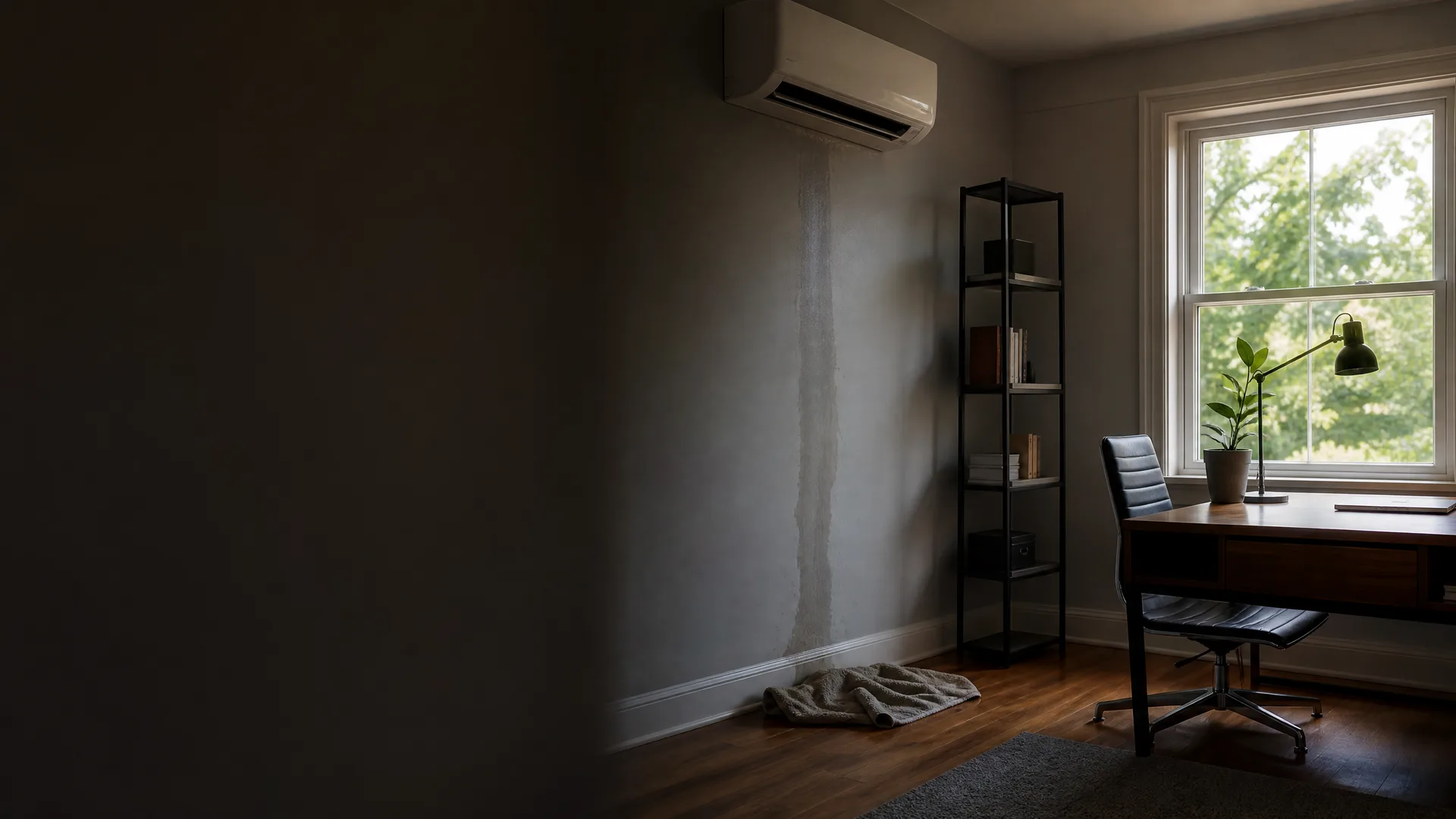
It's late afternoon and you're at the desk in the home office, the mini split on the wall above you running to keep the room warm. You notice the wall under the indoor unit is wet, a streak running down toward the baseboard. You've already put a towel on the floor to catch what's dripping. This isn't the gurgle you've heard before on cold nights. This is water where there shouldn't be any, and it's coming from inside the house, not the outdoor unit. You stand there looking at it, trying to decide if it'll wait until morning or if you need someone out today.
Your request stays with one local pro.
You're not committing to anything by asking.
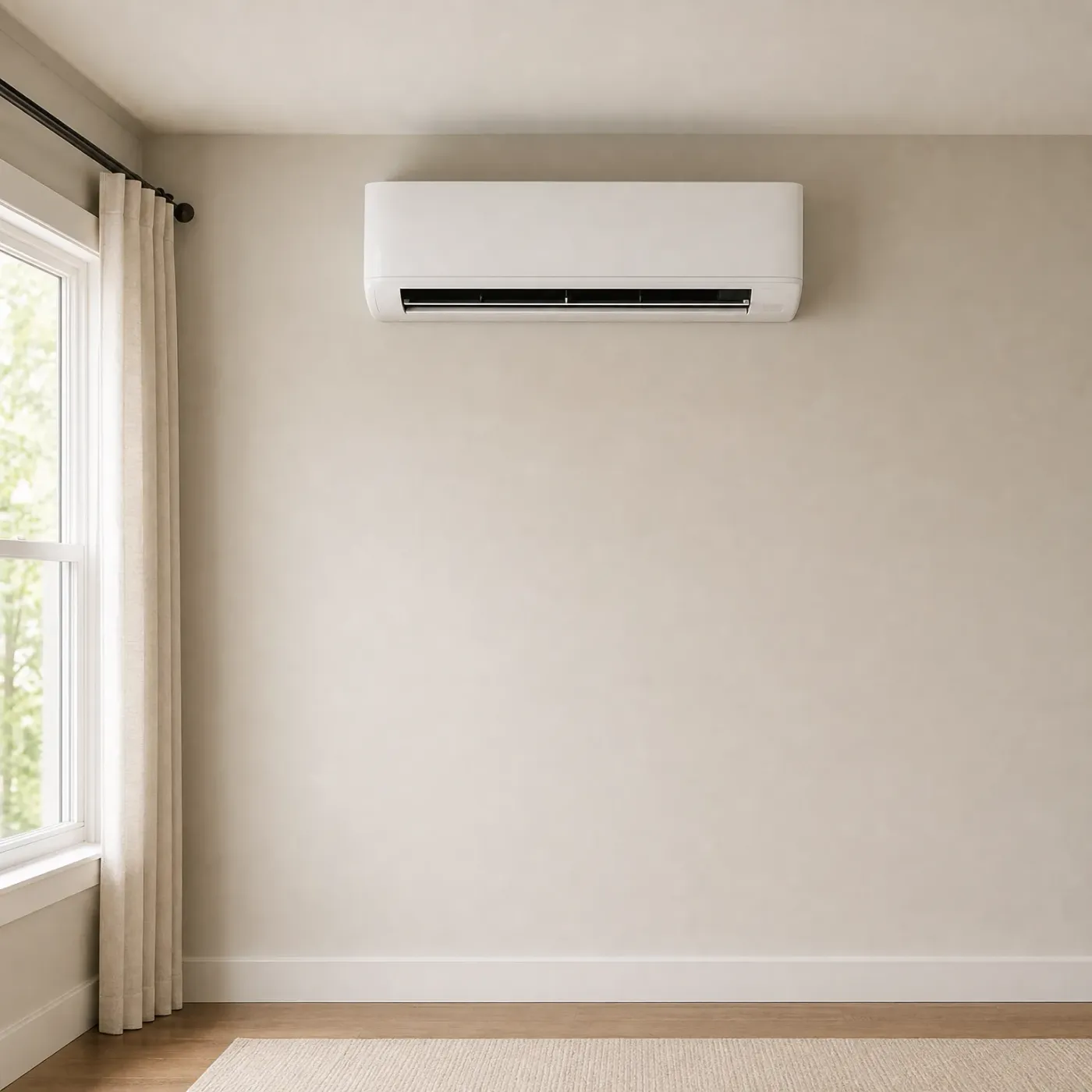
This is what it should look like most nights. The unit kicks into defrost when frost builds on the outdoor coil, you hear a few minutes of whoosh or gurgle, then it settles back to a low hum. No grinding, no rattling, no water on the wall below it.
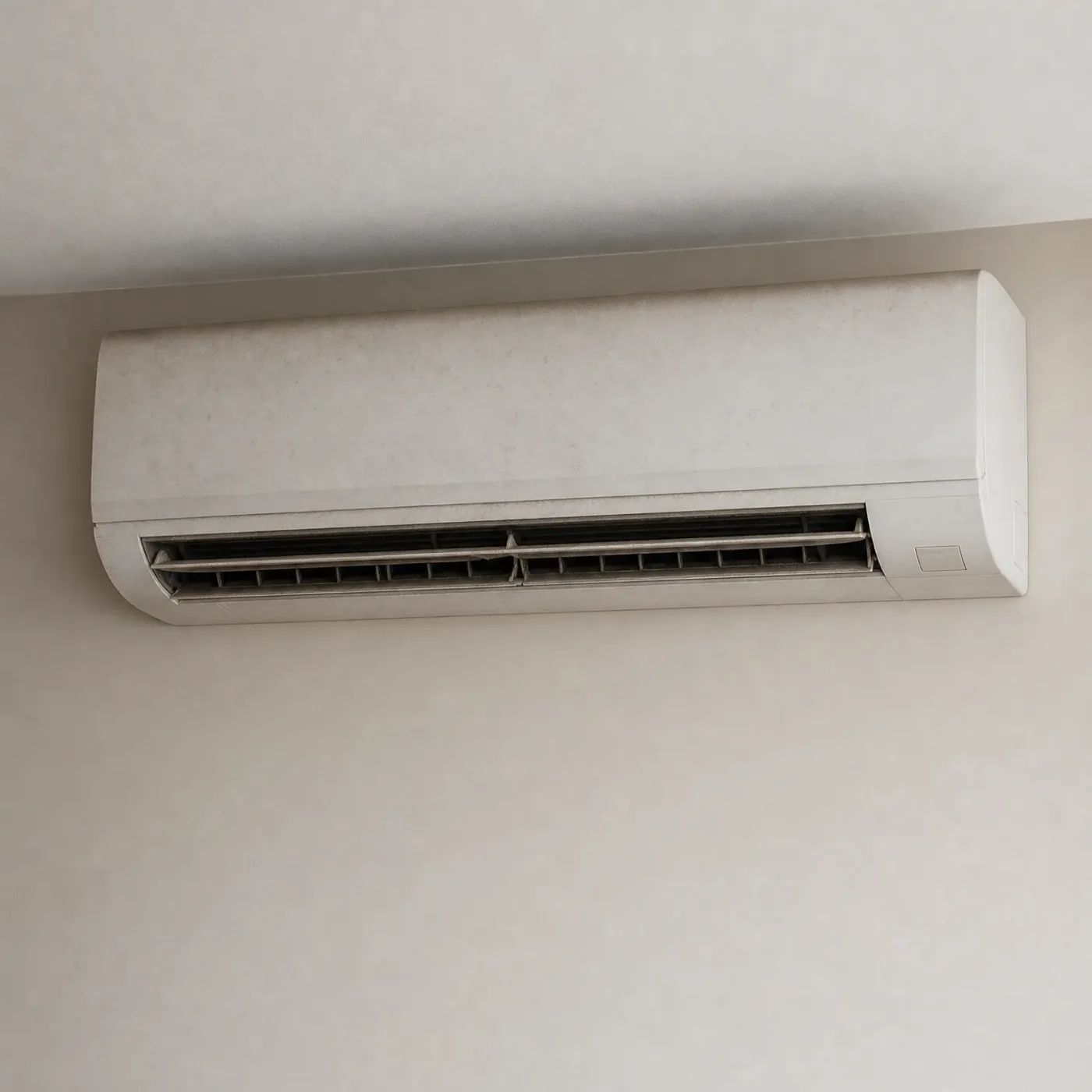
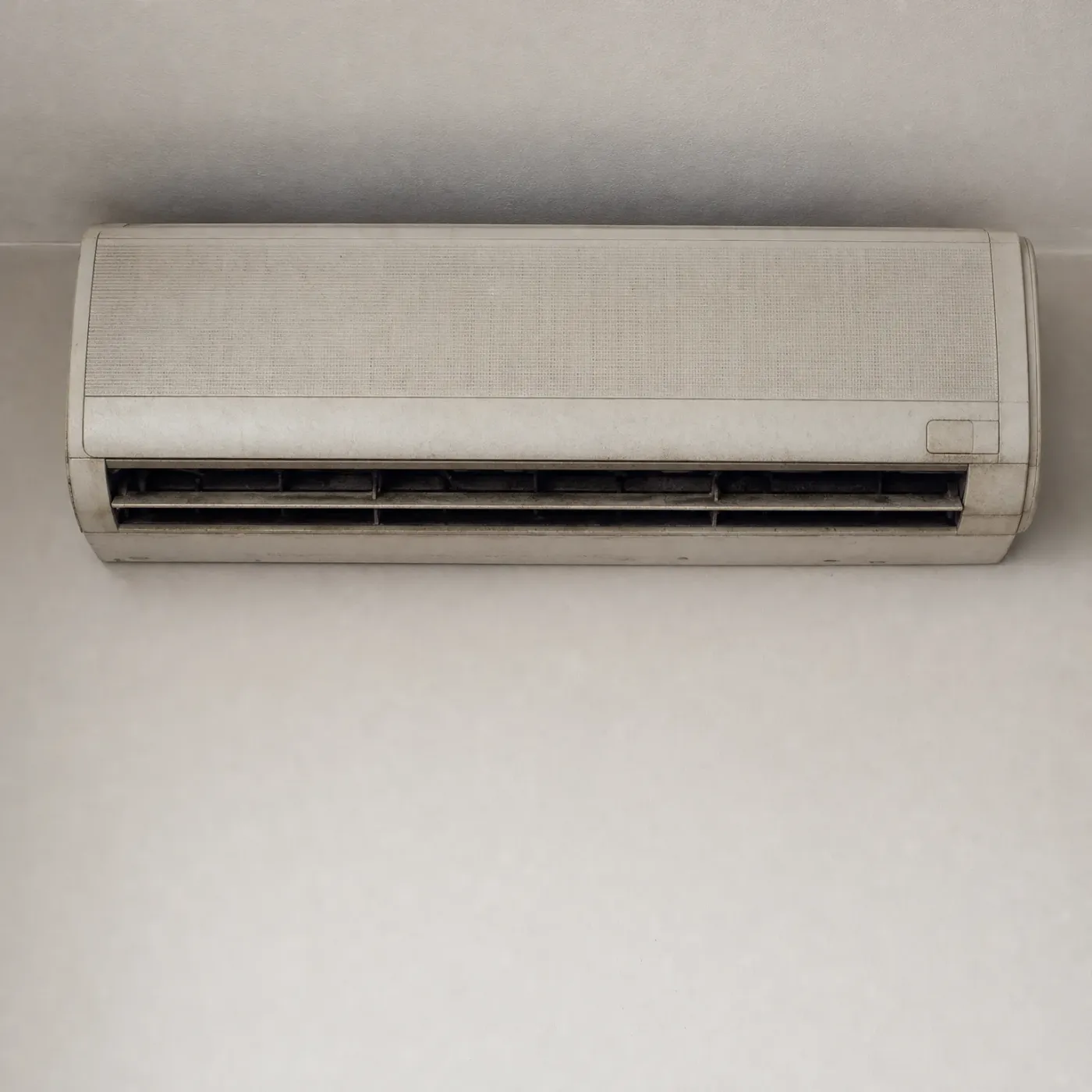
A unit that looks like this has been running hard for a while without anyone opening it up. Caked dust on the casing and vents usually means the coil and blower behind it are just as dirty, and that's often what turns a quiet defrost cycle into grinding or rattling that doesn't stop. A tech who works on these year-round in Alabama winters can open the unit, check the coil, the blower wheel, and the drain line, and tell you straight whether it needs a cleaning or a repair. One visit, one answer, instead of you guessing from the noise alone.
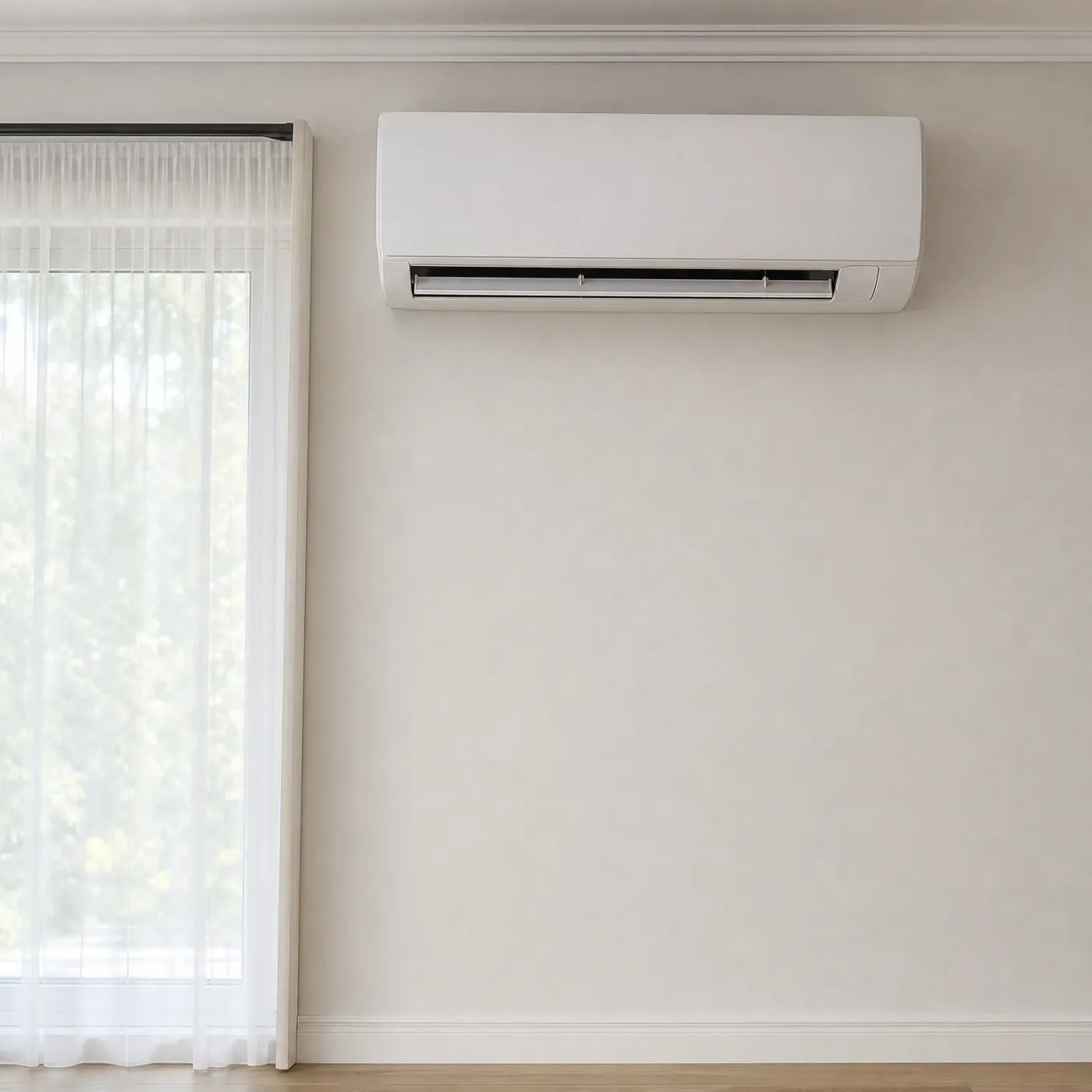
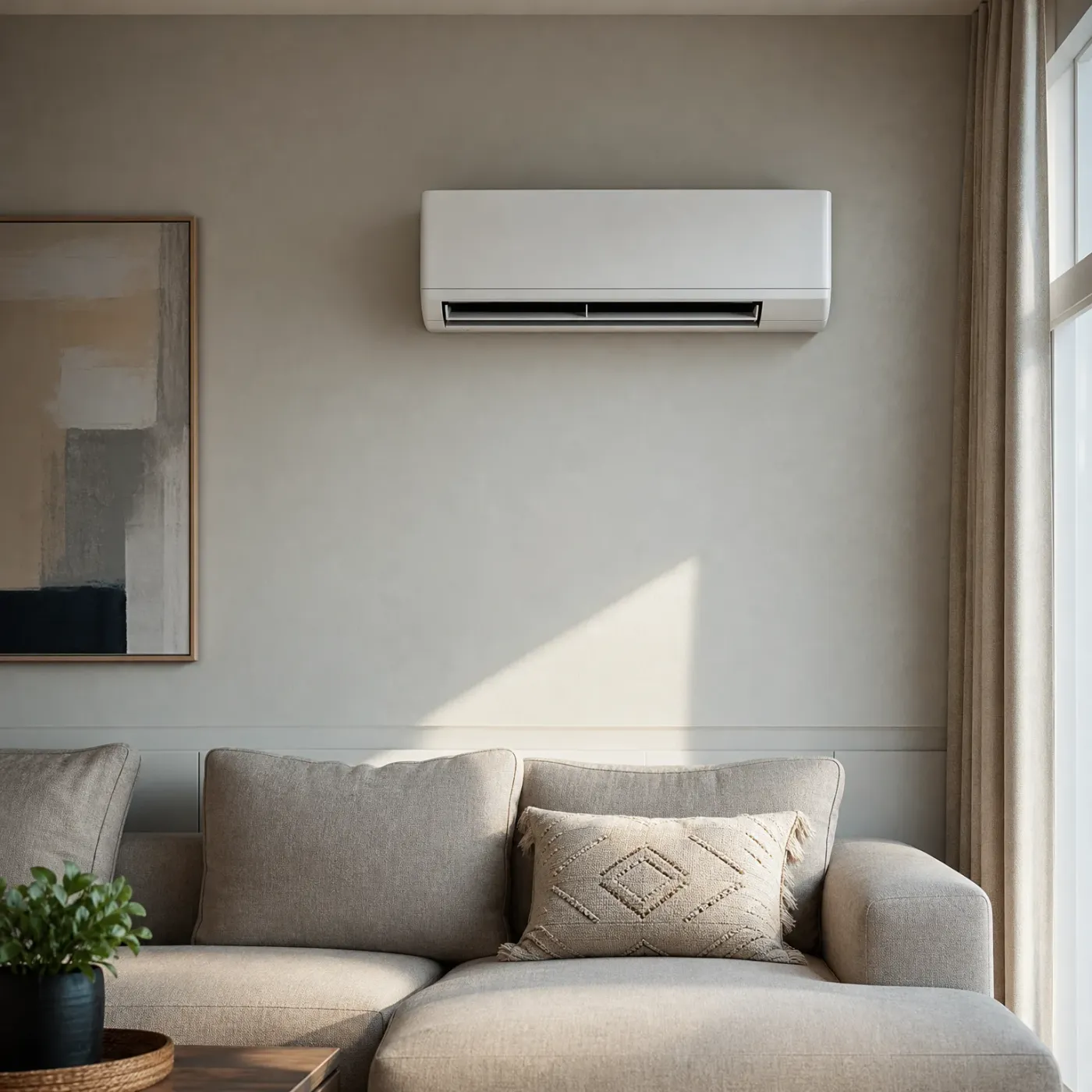
A mini split that looks like this moves air freely. The coil and vents stay open, the fan blades stay balanced, and the sounds you hear at night are just the defrost cycle doing its job. Nothing to block airflow means nothing extra for the unit to fight against.
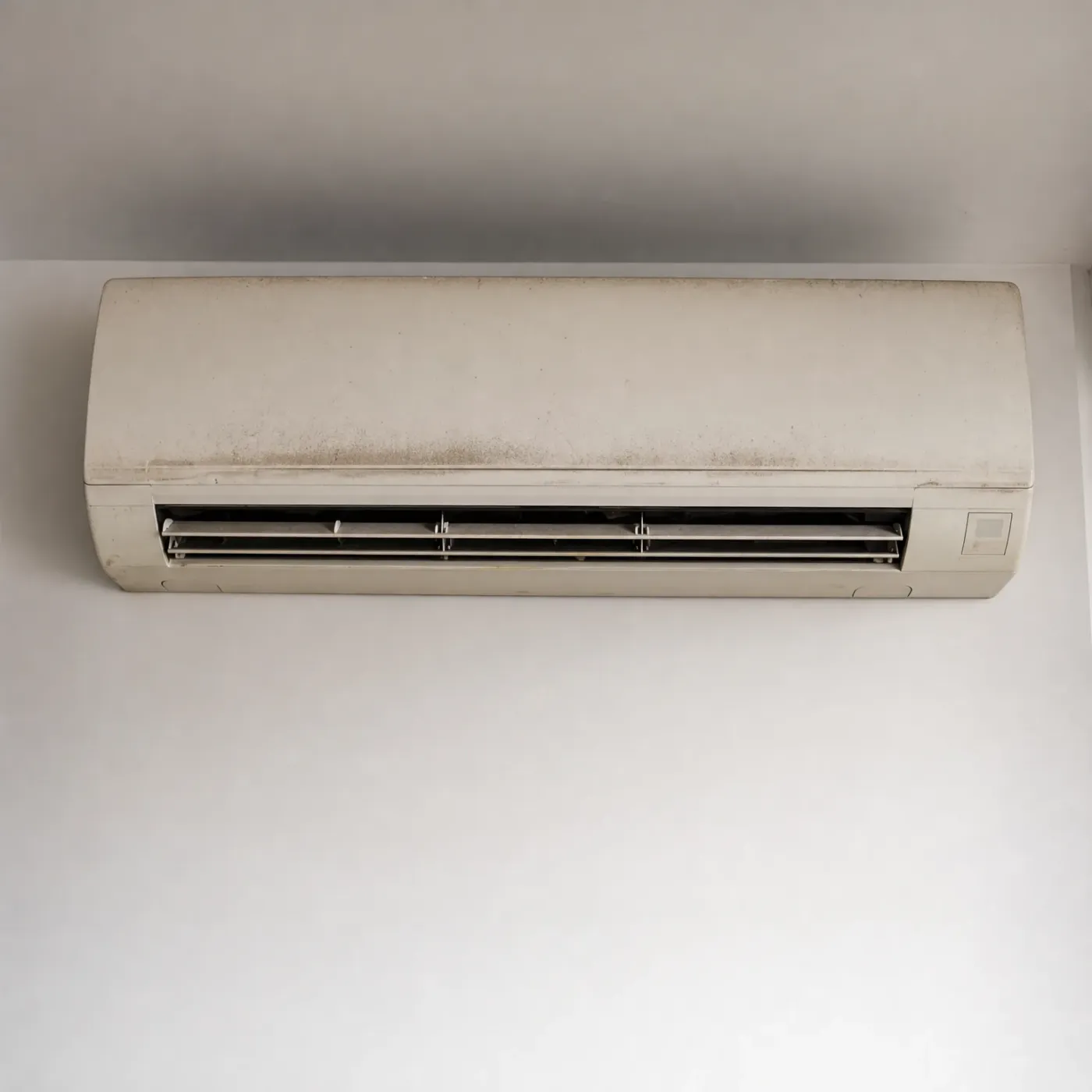
Dust like this builds up on the coil and blocks the vents over time. The fan has to work harder to push air through, and that strain is where grinding or rattling comes from. A unit this dirty usually needs more than a wipe down, and a tech who services these year-round will know what else to check underneath it.
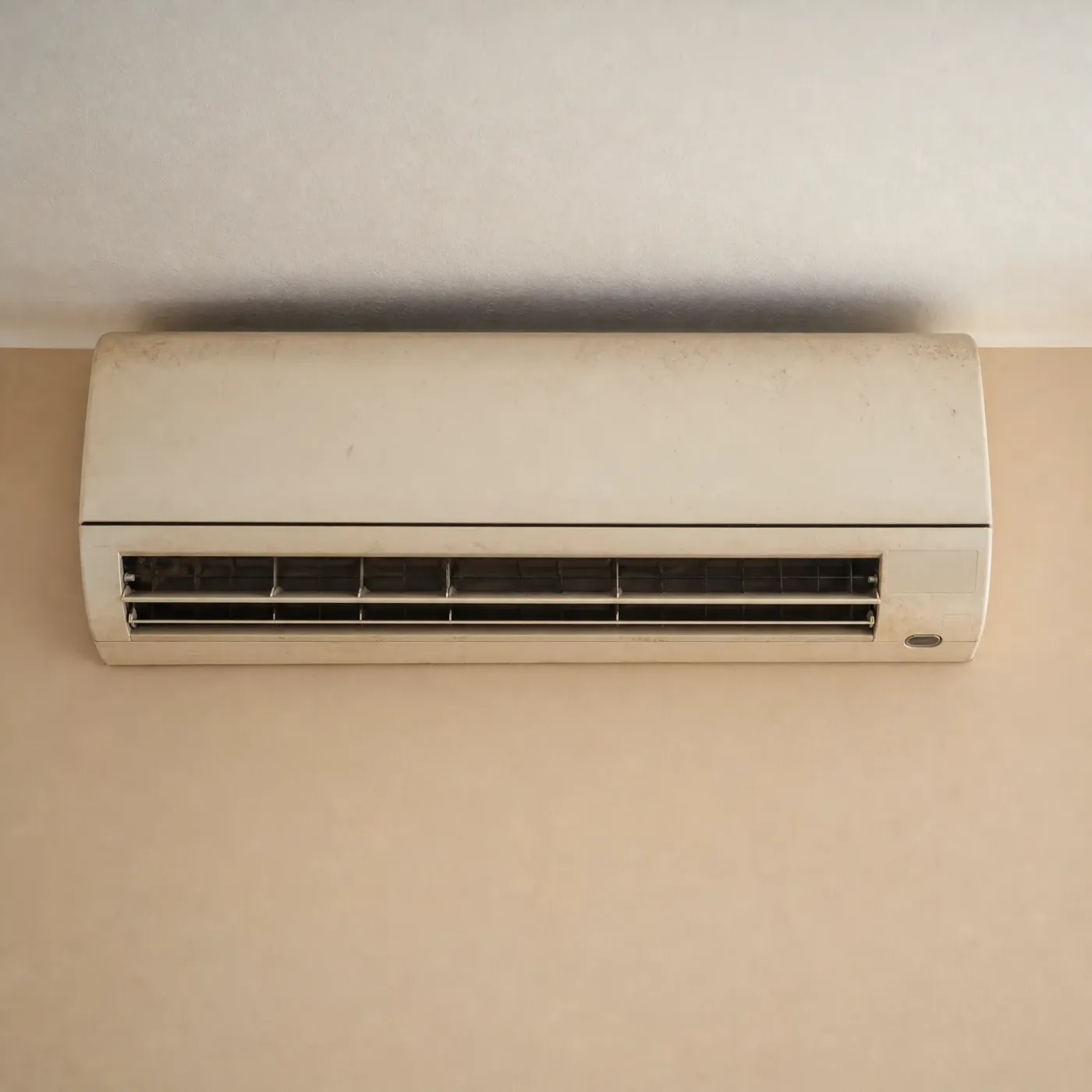
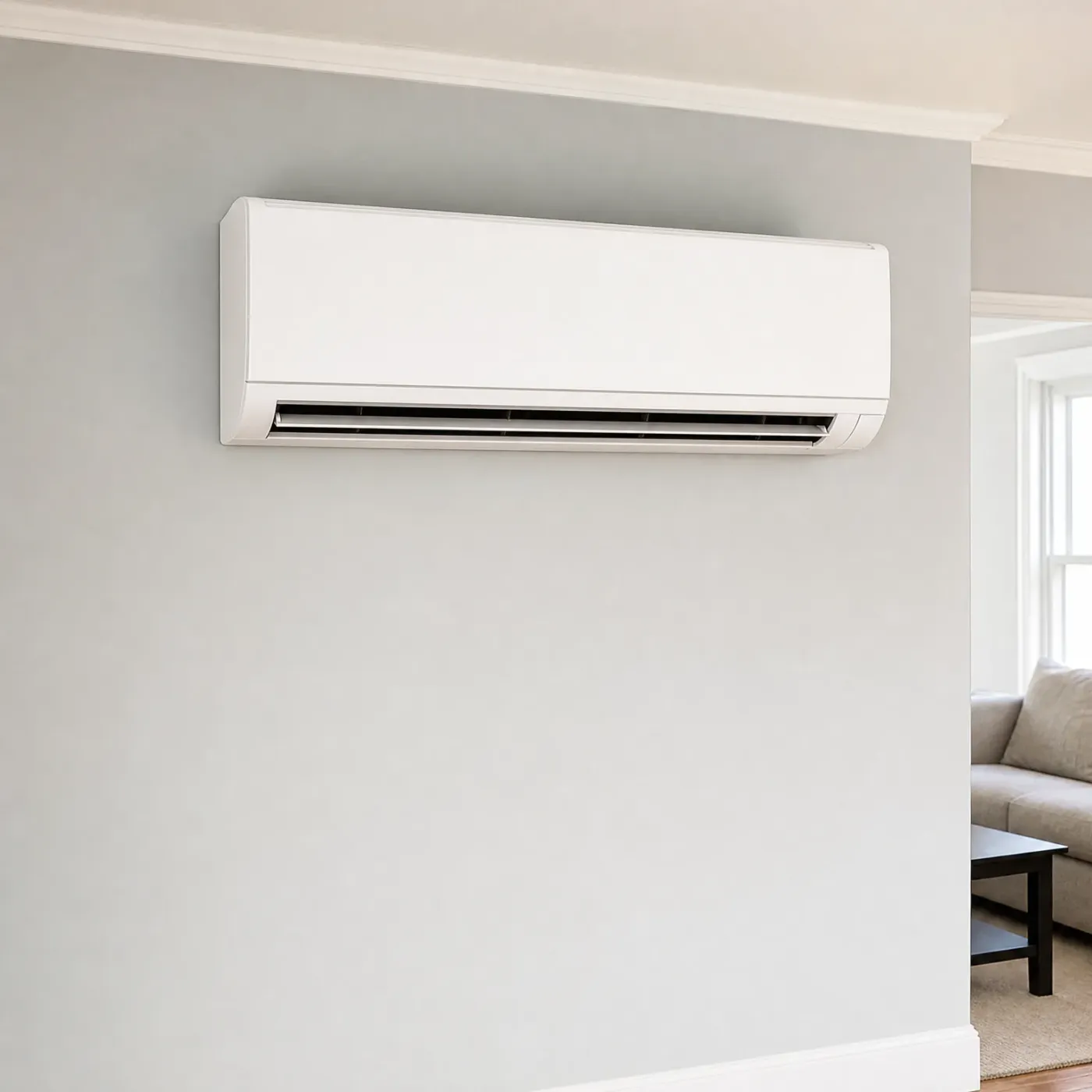
Most Alabama homes heat with electricity, so a mini split running extra defrost cycles on a cold night shows up on your bill fast at 16.09 cents a kilowatt-hour. A grinding or rattling noise that's really a motor working too hard costs you more the longer it runs, which is reason enough to get it looked at instead of waiting it out.
EIA-861 2025 statewide residential average
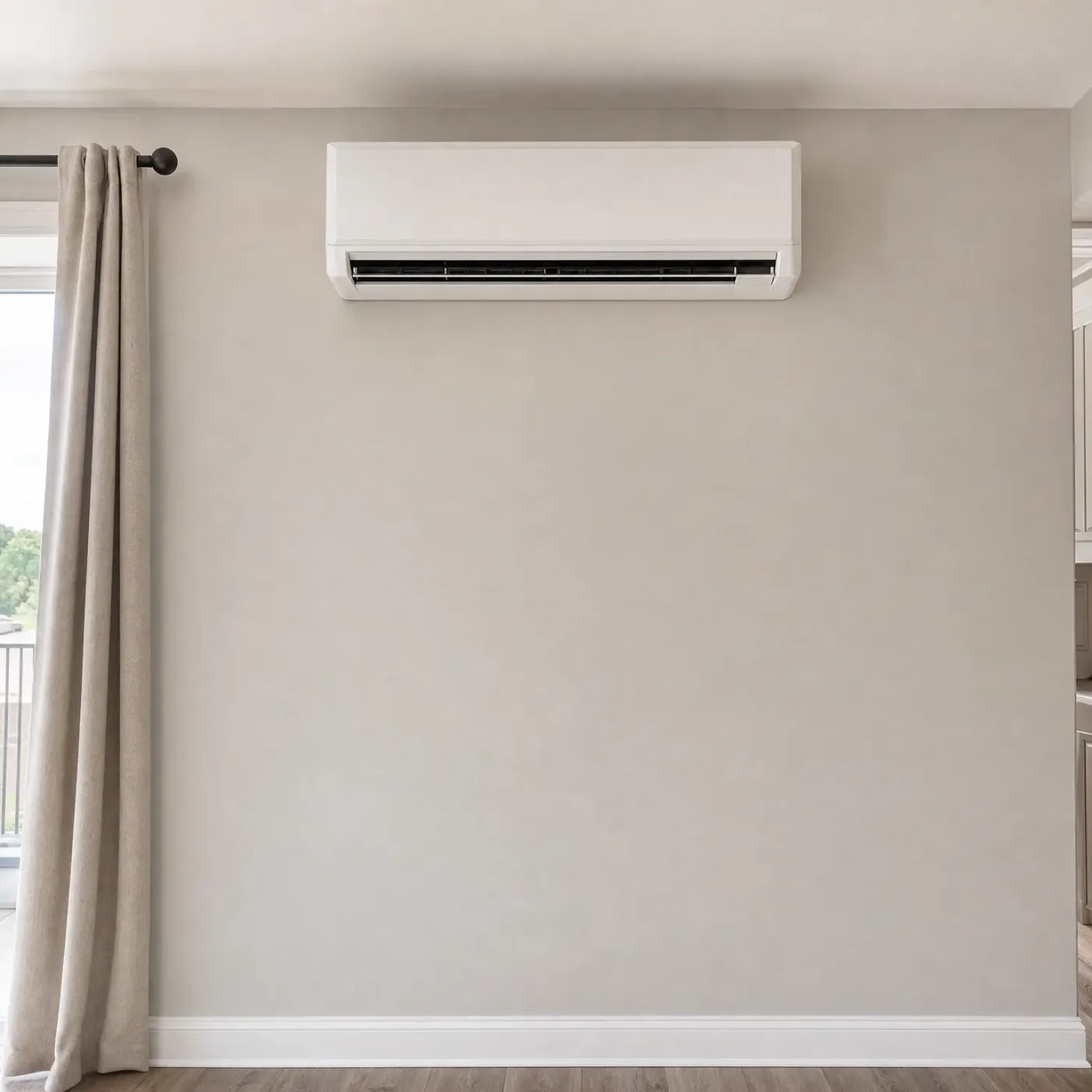



A short whoosh or gurgle on a cold night is your mini split defrosting the outdoor coil, and it stops on its own. A grinding, buzzing or rattling noise, or a wet wall under the indoor unit, means something inside needs attention before it gets worse or your bill climbs further. That's the whole answer.
If it's the second kind of noise, you don't have to start calling around Alabama for someone who works on these units, explaining the sound over and over and waiting on quotes to compare. You're connected with one local contractor who services mini splits all winter and knows what a bad bearing or a struggling outdoor unit sounds like before it fails outright. No juggling calls, no repeating yourself to a different company each time.

Your request goes to one pro, not a list of companies.
It costs nothing to send, and you don't have to hire anyone.
