




Why your mini split has ice on it in an Alabama winter

Step 1 of 3: Equipment

Ice on your mini split in winter usually means it's stuck in heating mode and can't keep its outdoor coil clear. A heat pump pulls heat out of the air outside, even cold Alabama air, and that process cools the outdoor coil down enough to collect frost. Normally the system runs a defrost cycle every so often, reversing briefly to melt that frost off before it builds up. When ice still covers the coil or the lines, something is stopping that cycle from working: a failing defrost sensor, a stuck reversing valve, a fan that isn't moving air the way it should, or a refrigerant charge that's low. Low charge is worth taking seriously, since a unit already losing refrigerant will keep icing and keep losing efficiency until it's fixed. A unit that ices over and keeps running isn't heating your home well, and electricity here isn't cheap, so every hour it runs iced up costs you for heat you aren't getting.

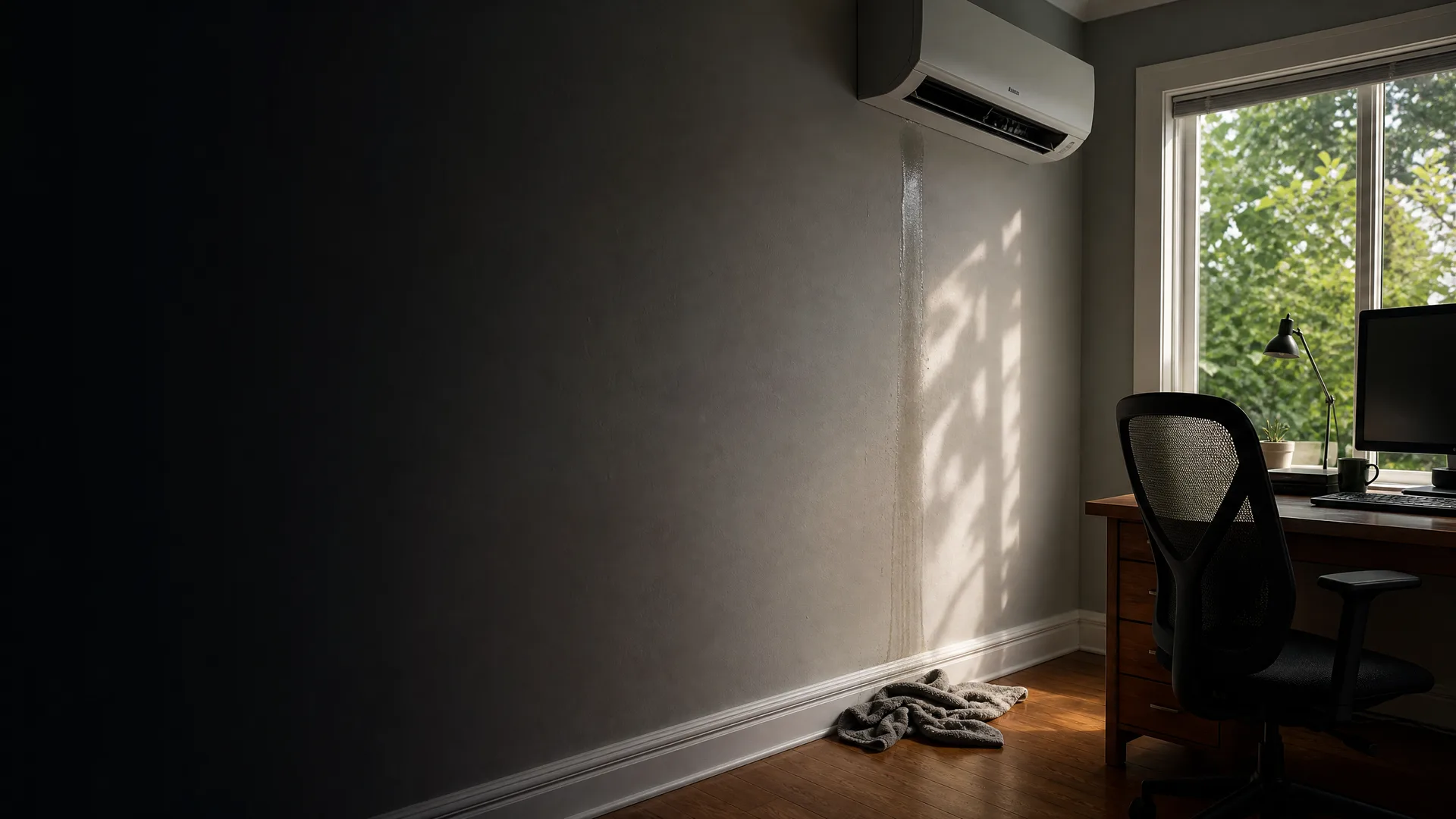
A wall-mounted mini-split air conditioner in a dim room, with a water streak running down the wall below it to a towel on the floor near the baseboard, beside a desk, office chair and monitor by a window.

It's a July afternoon and you're at the desk in your home office, the mini split on the wall above you working against the Alabama heat. You notice the drip first, then look up and see the wet streak running down the wall under the indoor unit. You've already put a towel on the floor to catch what's coming off the bottom edge. The wall paint is starting to bubble near the mounting bracket. Outside, it's muggy and in the nineties, and the unit is still running, still blowing cold air, but the water keeps coming. You turn it off, and the dripping slows but doesn't stop right away.

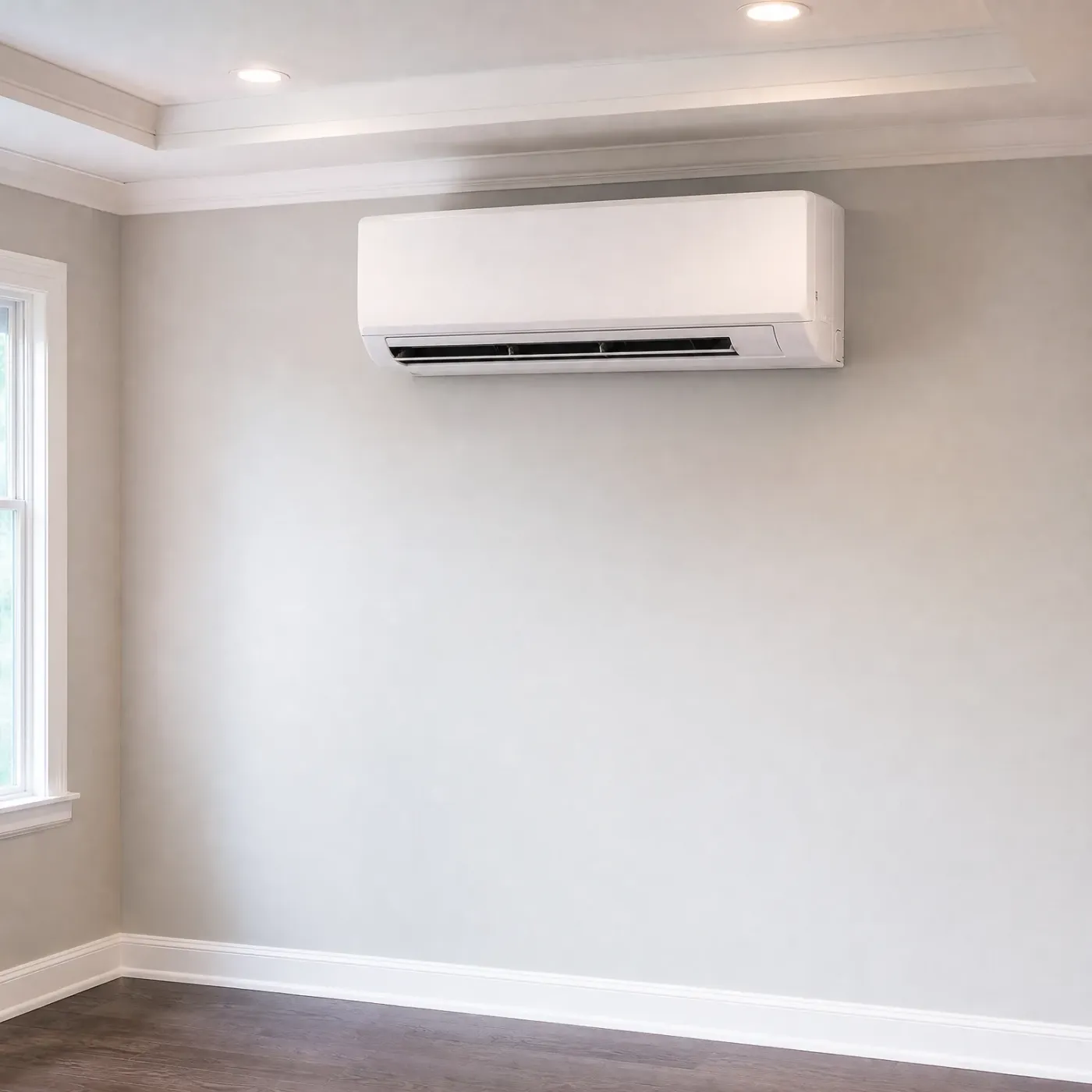
A white wall-mounted mini-split air conditioner on a light gray wall in an empty room with dark wood flooring, white baseboards, a tray ceiling with recessed lights, and a window at the left.
Running fine, the outdoor coil stays clear and the fan spins free with no ice buildup anywhere on the housing.
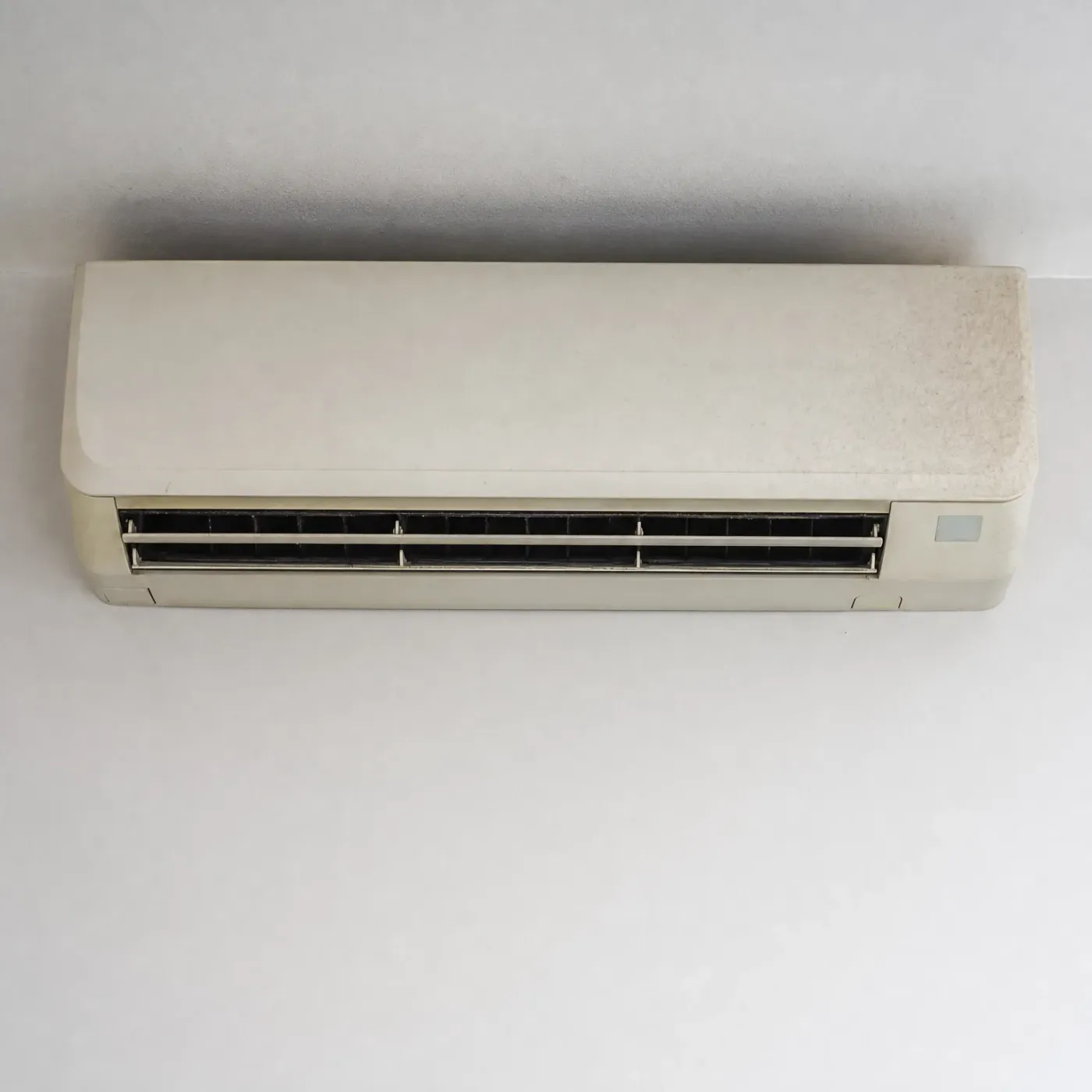
A wall-mounted mini-split air conditioner indoor unit with a yellowed plastic casing and dark horizontal vent louvers, installed on a plain light-gray wall.
Dust on top and dark residue around the vents like this often mean the coil underneath is already fighting to defrost itself.

How Defrost Is Supposed to Work

  • A heat pump runs a defrost cycle automatically, reversing briefly to send hot gas through the outdoor coil and melt any frost.
  • During defrost the outdoor fan stops and the indoor unit may blow cool air for a few minutes, which is normal.
  • A thermistor on the outdoor coil senses frost buildup and tells the control board when to start and end the defrost cycle.
  • If that sensor reads wrong or the reversing valve sticks, the unit stays in heating mode and the frost never clears.
  • A low refrigerant charge drops the coil temperature further and can cause ice to form faster than a normal defrost cycle can remove it.
  • Ice that builds past the coil onto the fan blades or housing means the defrost cycle has already failed, not that one is overdue.

Every heat pump mini split frosts up some in winter. That part is normal. What matters is whether the unit clears it on its own. The outdoor coil has a thermistor reading its temperature. When frost builds past a certain point, the control board switches the system briefly into cooling mode. That sends hot refrigerant gas backward through the outdoor coil instead of the indoor one, which melts the frost off from the inside. The outdoor fan shuts off during this so it doesn't blow cold air across the coil while it's trying to warm up. Inside your house, you might feel a few minutes of cool or lukewarm air from the indoor unit while this happens, then it switches back to heating and the air warms up again. The whole cycle usually runs on its own a few times a day in cold weather, and you'd barely notice it.

What you're looking at when a mini split ices over for real is that process breaking down somewhere. The thermistor might be reading wrong and never tells the board frost is building. The reversing valve that sends the gas backward might be stuck and won't switch over. Low refrigerant drops the coil temperature below what the defrost cycle was built to handle, so frost forms faster than it can be melted off. Once ice has spread past the coil itself onto the fan blades or the outdoor housing, that's not a cycle that's running late. It's one that already failed.

A gray-haired man in a dark sweater sits on a light gray sofa in a living room, looking toward a sunlit window with trees outside.
A gray-haired man in a dark blue sweater sits on a light gray sofa in a sunlit living room, looking off to the side, with a potted plant, shelving unit, and large glass doors behind him.
A bearded man with graying hair in a dark green sweater sits on a sofa in a living room, looking off to the side, with a sliding glass door and a dim kitchen doorway behind him.
A gray-haired man in a dark knit sweater sits on a light gray sofa in a living room, looking toward a sunlit window, with houseplants, a lamp, and framed art in the background.

A pro who works on mini splits

Only one pro gets your request, so you hear from one company.

No fee to send it, and nothing to sign.

How the defrost cycle should run

On a normal cycle the outdoor fan stops for a few minutes every so often, the system reverses, and the frost melts off the coil before it switches back to heating. You might notice the indoor unit blow cool air for a minute during this, and that's fine. A thermistor near the coil tells the control board when frost has built up and when it's clear again. If that sensor reads wrong, the board never calls for defrost, and the ice just keeps building.
Why a stuck cycle builds ice fast

Alabama winters bring enough damp, cold stretches for frost to form on the outdoor coil most nights, so a mini split that can't defrost gets ahead of itself quickly. Once ice covers the coil, airflow through it drops, which pulls down the unit's heating output right when you're running it hardest against the cold. Left alone, the ice layer can thicken enough to block the fan blade entirely, and at that point the compressor is working against a coil that can't release heat at all.

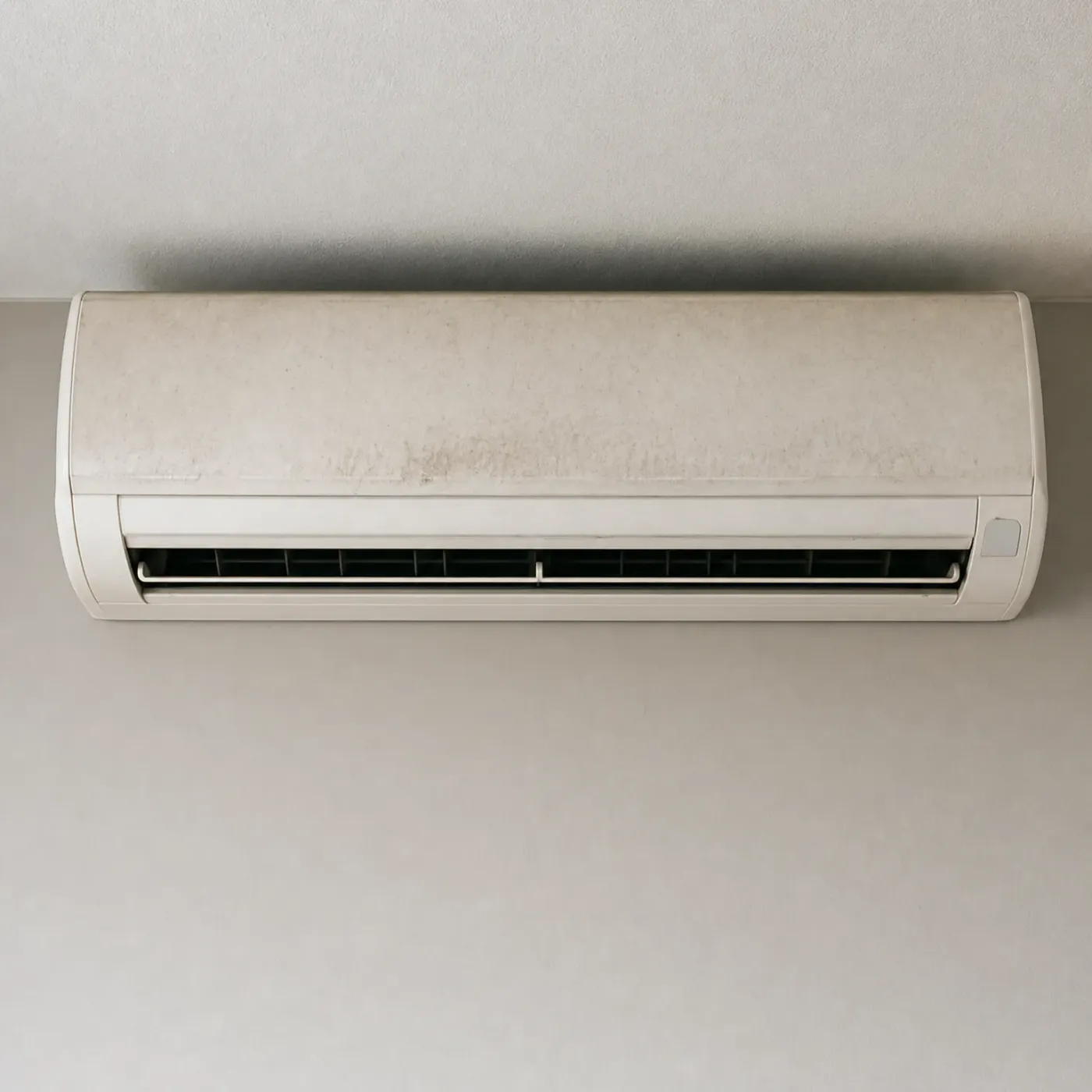
A wall-mounted mini-split air conditioner indoor unit with a dusty, discolored cover, installed near the ceiling on a plain light-colored wall.
Before you get your mini split repair
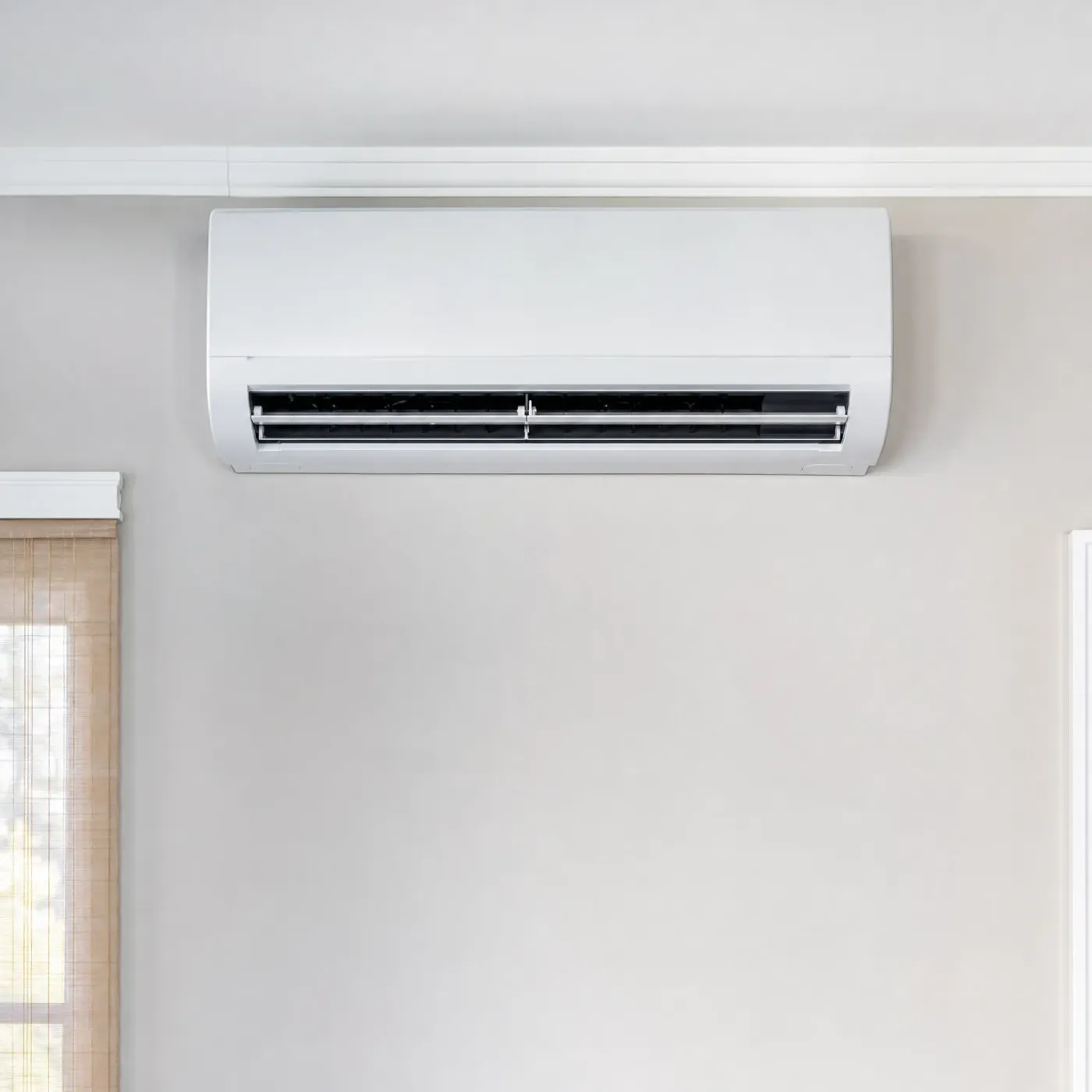
A white wall-mounted mini-split air conditioner unit installed high on a light gray interior wall below crown molding, with a bamboo-shaded window at the lower left.
After you get your mini split repair

Frost that melts off on its own

The outdoor unit cycles through defrost every so often and the ice clears each time. That's the system doing its job. No repair needed, just keep an eye on it.

Find a licensed mini split pro

Frost that keeps building

The ice comes back thicker after each cycle, or never clears at all. That points to a stuck reversing valve, a bad sensor, or low refrigerant, and it needs someone to look at it.

Find a licensed mini split pro

Power costs 16.09 cents per kilowatt-hour statewide

At 16.09 cents per kilowatt-hour, every hour your mini split fights a frozen coil instead of running its normal defrost cycle is an hour you're paying for heat you're not getting. A unit stuck icing up works harder and longer to warm the same room, and that shows up on your bill before it shows up as a breakdown.

EIA-861 2025 statewide residential average

Let the frost sit through the cold snap and keep running the system anyway, and you risk the outdoor coil icing over solid enough to block airflow, which strains the compressor every hour it keeps trying to heat through it.

Get it looked at before the next freeze, and a contractor who works on these year-round can catch whether it's a stuck reversing valve or a bad sensor before the compressor takes the damage.

A middle-aged woman with shoulder-length dark hair, wearing a gray cardigan over a cream top, sits in an upholstered armchair and looks toward a sunlit window, with a shelf holding framed pictures and a plant behind her.
A woman and a child wrapped together in a knitted gray blanket on a couch, with the child's head resting on her shoulder and a lit table lamp and houseplant in the background.

Why is my mini split frosting over when it's this cold out

Go look at the outdoor unit. If you see white frost or solid ice across the coil, not just a thin layer that comes and goes, that's the sign. You might hear the fan straining or notice it's stopped turning at all. Inside, the air coming out feels weaker than it should, maybe cooler than you set it to, and the room takes longer to warm up than it used to. Some homeowners notice water pooling under the outdoor unit as the ice melts during the day and refreezes overnight. Left alone, a coil that stays iced can keep the system from heating the room at all, and on a night when it's your only source of heat, that's the room that doesn't warm up.

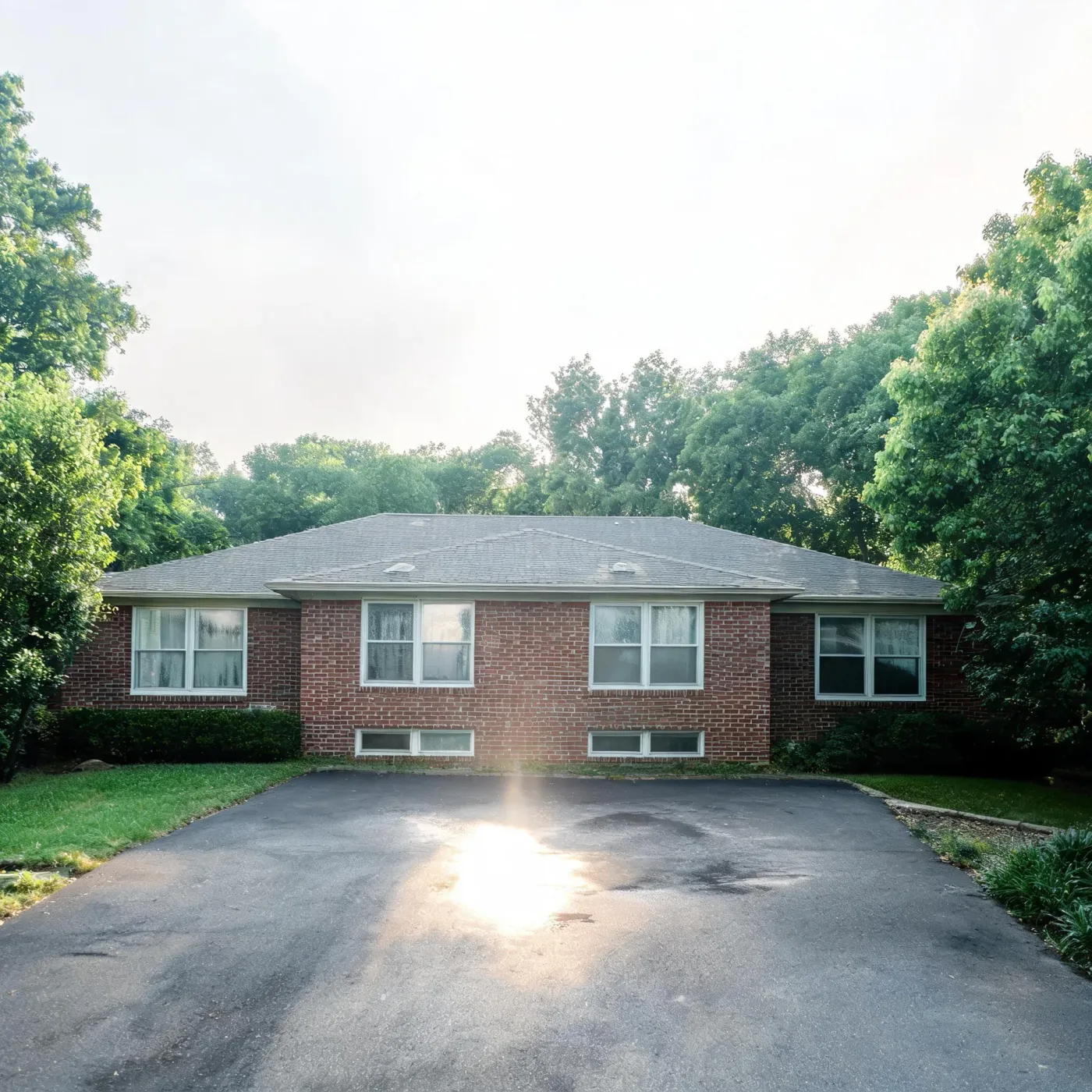
A single-story brick ranch house with a gray shingled hip roof, white-framed windows and basement windows, fronted by a wide asphalt driveway with sun glare, surrounded by green lawn and leafy trees under a bright hazy sky.

Summer here runs muggy, with the dew point averaging 69°F across June, July and August in Alabama, based on NOAA climate data. That's the moisture your mini split is pulling out of the air every time it runs in summer, and it's a big part of why the coil works as hard as it does. The same coil that strains to wring water out of thick summer air is the one that has to shed frost clean every winter. If it's been doing double duty all season without a proper check, winter is when a weak defrost cycle starts showing up as ice that doesn't clear.

NASA POWER T2MDEW county cells weighted by homes

A woman in a cream sweater and jeans stands in the open doorway of a white stucco house, holding the dark door, while a man in a dark quilted jacket seen from behind walks toward the entry past potted plants.

Frost that doesn't melt off means the defrost cycle isn't working

A mini split in good shape clears its own frost every winter without you ever noticing. One that keeps icing up through the cold snap has a sensor, a reversing valve, or a fan motor not doing its part, and that's a repair, not something to wait out.

Someone who works on these systems all season in Alabama has seen which part usually gives out first on a unit stuck in heating mode. When you put in a request, it goes to one licensed local contractor who takes on jobs like this, not a handful of companies competing for your callback. They'll look at your unit, your coil, and what it's actually doing before they tell you what's wrong with it.

Interior corner with a beige sofa holding a dark green and a light cushion and a textured throw, a potted small-leaved tree beside a white-framed window, and a dark shallow bowl on a wooden coffee table in the foreground.
A house roofline with a stone chimney rises above trees, with a tall pine, Spanish-moss-draped oak branches, and misty hills in the background.

The right pro for this job

Get one local pro

You're not committing to anything by asking.

A mini split that keeps icing up won't fix itself by spring. The longer it runs that way, the harder the compressor works to heat the same rooms, and with electric heat already costly in Alabama, that adds up fast. A local contractor who works on these units every winter can tell you quickly whether it's a sensor, a valve, or something simpler.