

Should a mini split run all winter in Alabama
Fill out one form instead of calling around for a mini split tune-up.
Start one formYes, a mini split should run all winter in Alabama. Winters here stay mild enough that a mini split pulls heat from outside air efficiently almost every day of the season, and most homes here already lean on electric heat, so you're not fighting the equipment's design by using it. A mini split only struggles when outdoor air gets into the teens or lower for long stretches, and Alabama rarely sees that. Running it steadily, rather than switching to a backup heater on cold nights, keeps it working the way it's built to work. What matters more than whether it runs is whether it runs clean. A dirty filter or coil makes the unit pull more power to produce the same heat, and with power costs what they are here, that difference shows up on the bill. Keeping it maintained through winter protects both the heat it puts out and what you pay for it.




How does a mini split actually heat the house in winter?
You know the mini split blows cool air in July, so it can seem strange that the same unit is supposed to carry you through a cold snap in January. There's no furnace sound, no burner kicking on, just the indoor head running quietly. It's fair to wonder what's actually happening inside it when the outdoor temperature drops, and whether that process really works as heat instead of just moving air around.
It pulls heat from the outside air and moves it indoors
The outdoor unit has a coil full of refrigerant that absorbs heat from the air around it, even when that air feels cold to you. A compressor pressurizes that refrigerant, which raises its temperature further, then sends it inside to the indoor head. There, a fan blows your room air across the hot coil and that's the warm air you feel. The refrigerant gives up its heat and cycles back outside to pick up more. This runs in reverse of how it cools in summer, same parts, same lines, just switched. In Alabama, outdoor air rarely gets cold enough to make that heat hard to find, which is why the unit can keep doing this most days from November through February.

The outdoor unit pulls in cold outside air over its coil.
Refrigerant inside that coil absorbs heat from the air.
A compressor squeezes the refrigerant, raising its temperature further.
The indoor unit blows across the hot coil into the room.
Run It or Switch Over
Run it all winter
- The compressor stays efficient down into cold snaps, so it keeps pulling more heat out of the air than the electricity it uses to run.
- Alabama winters rarely hold below freezing for long, which is the range where a mini split starts losing its advantage over straight electric heat.
- Letting it idle on low overnight instead of shutting off avoids the surge a compressor draws when it has to restart from cold.
- A unit that runs steadily holds a more even temperature than one that's switched off and on as the house cools and reheats.
- Regular winter use means a contractor sees the system while it's working, so a weak capacitor or low refrigerant charge shows up before it fails outright.
Switch to backup heat
- Once outdoor temperatures drop into the 20s for more than a night, the unit has to work harder to pull the same heat out of colder air.
- A mini split that's been skipped on maintenance may struggle to keep up on the coldest mornings, even though those are rare here.
- Switching over means relying on whatever backup heat the house has, usually electric resistance heat, which costs more to run per degree.
- A house with ductwork already in place may have a furnace or heat pump as backup, which changes the math on when to switch.
- Leaving the mini split off for weeks at a time without running it means a stuck valve or a dead sensor can go unnoticed until the next cold night.
Power costs 16.09 cents per kilowatt-hour statewide
At that rate, every degree your mini split has to fight for shows up on the bill fast. A unit running clean, with the coil and filter clear, pulls heat using less power. One running dirty just burns more of those cents to get the same warmth.
EIA-861 2025 statewide residential average
Explain it one time

A licensed local pro takes the request for your mini split tune-up.
There's no charge for the request.
What a dirty coil costs you
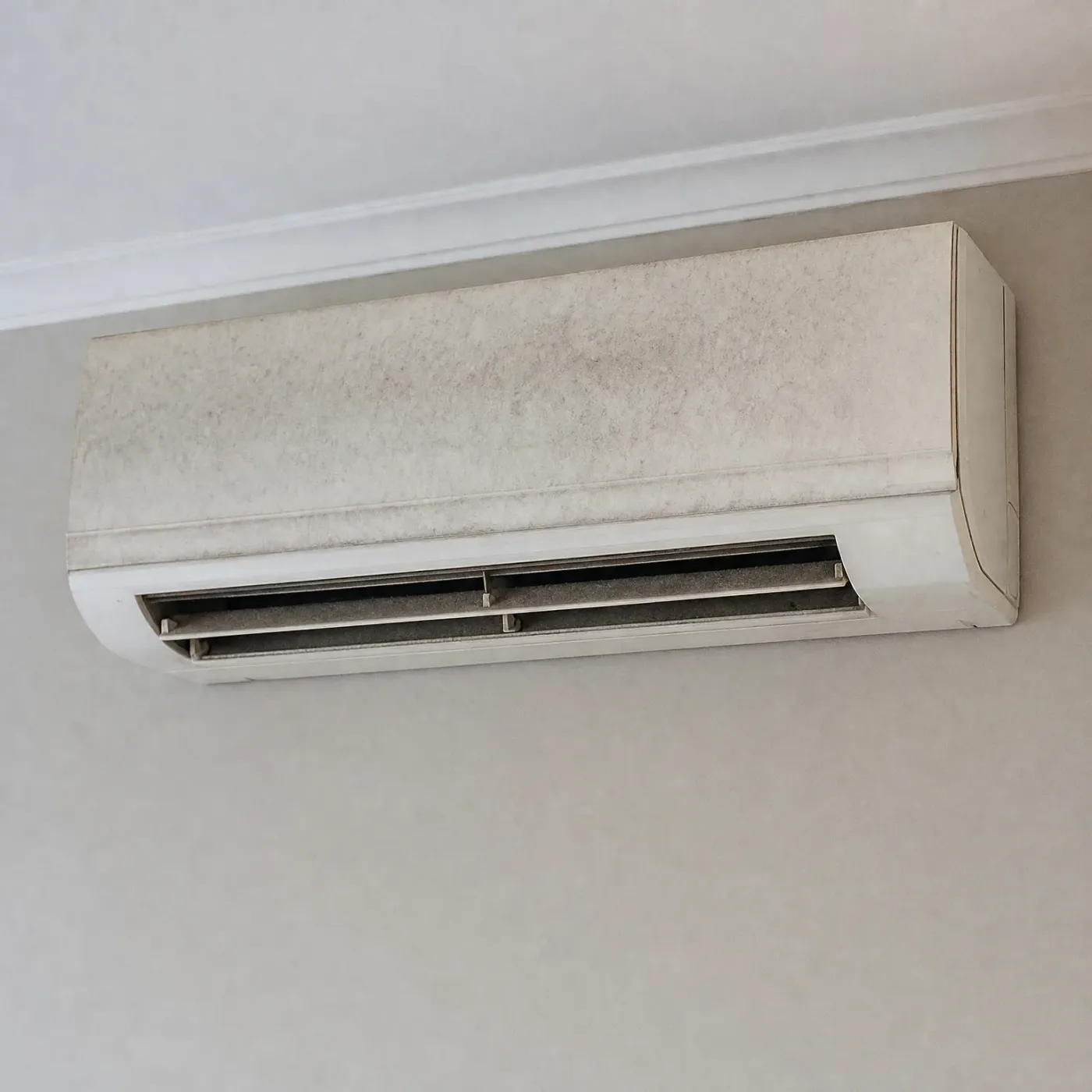
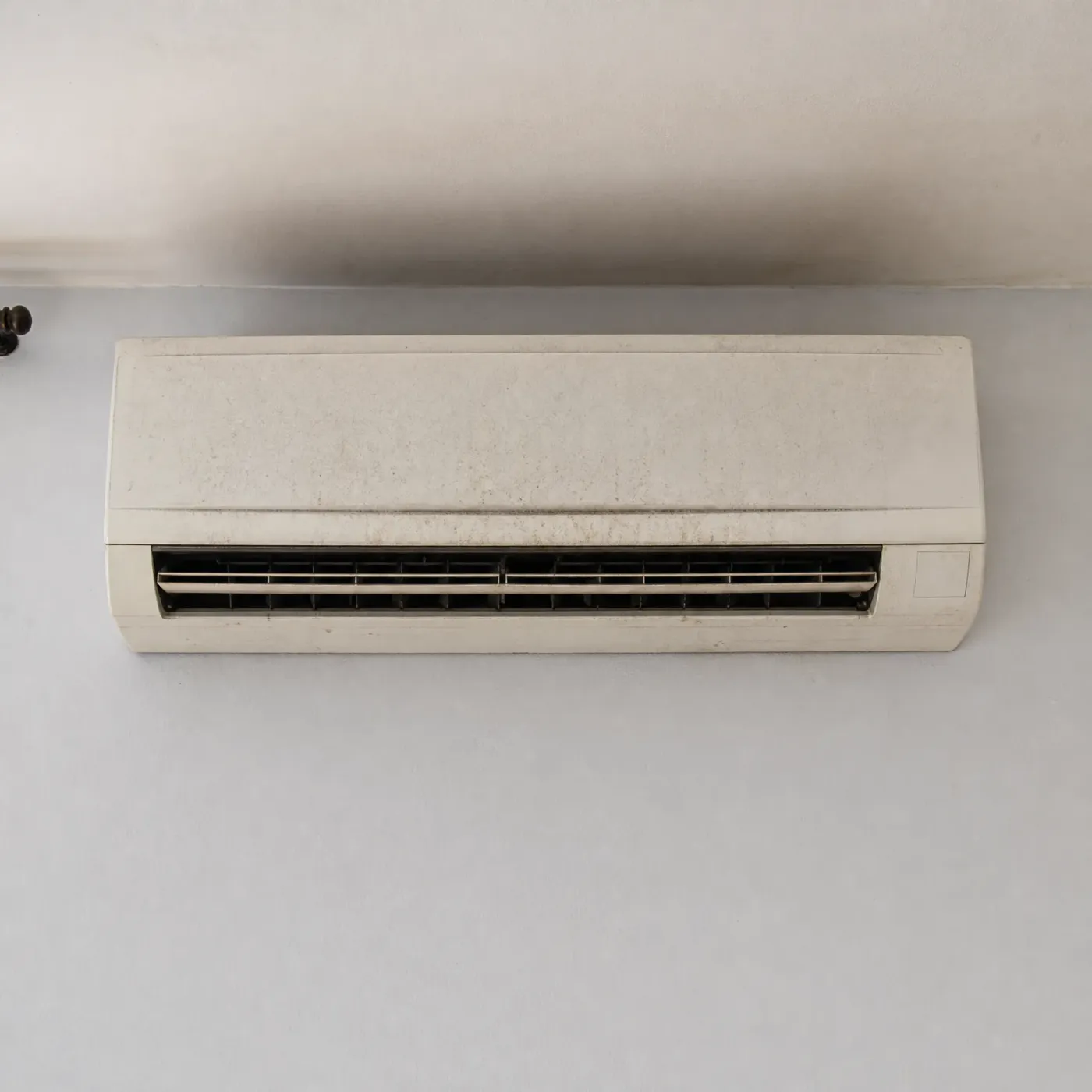
An outdoor coil caked with pollen or grass clippings cannot pull heat from the air as fast as a clean one. The compressor runs longer to make up the difference, and it pulls more power doing it. Alabama's outdoor units sit outside through pollen season every spring and through grass cutting all summer, so by the time cold mornings show up in December, that coil has had months to load up. You cannot see this loss by looking at the unit. You see it on the power bill, and you feel it as a room that takes longer to warm up than it did last January.
Why the filter matters more in winter
A mini split's indoor filter screens the air before it crosses the coil inside the wall unit. A filter packed with dust forces that indoor fan to push harder to move the same amount of warm air into the room. Dust buildup happens the same way whether the unit is cooling in July or heating in January, so a filter that went uncleaned all summer is already working against you before the first cold front arrives. Checking and rinsing it before winter heating starts in earnest is the kind of thing a maintenance visit catches, since it's easy to forget a filter that's hidden behind a wall-mounted cover.


Running All Winter, Clean
- A mini split in Alabama runs all winter, pulling heat from outside air on all but the rare hard freeze.
- Running it that much only pays off if the coil and filter stay clear enough to keep pulling heat without strain.
- A tech who services these units all season in your area already knows which parts tend to clog or fail first.
- Working with one local contractor means one visit and one assessment, not several companies calling to compete for the job.
- Skipping maintenance on a unit that runs nearly year round in Alabama just shifts the cost onto your power bill.
The answer holds: run the mini split all winter. Alabama doesn't give you enough hard freezes to make it worth switching to something else, and the electricity you're already paying for is better spent on a unit that's pulling heat efficiently than fighting through a dirty coil to do the same job. That's the whole case. What it comes down to now is whether the coil and filter are clear enough to let the compressor work the way it's supposed to, because a unit running that many hours a day, for that many months, turns a stuck filter or a caked coil into real money on the bill rather than a minor drag.
That's where it helps to have someone who works on these units through a full Alabama winter, not just a service call here and there. A contractor who sees mini splits all season knows which coil fins clog first on units that sit outside exposed to pollen and yard debris, and which filters get missed because they're easy to forget. You get matched with one licensed local contractor, not a handful of companies chasing the same lead. One visit, one person looking at your specific unit and telling you what it needs, instead of fielding calls from three companies trying to out-quote each other before anyone's even looked at the equipment. For a system that's going to run nearly every day from now through spring, that's the kind of look it's worth getting.

Mini Split Maintenance
Skip the calls to every shop

- A local pro who services mini splits gets in touch about the tune-up.
- Describe your mini split job, and a local pro who handles it gets in touch.

- Send the form and the mini split tune-up stops being something to remember.
- One request and finding someone for the tune-up is handled.

- One form replaces the calls you'd make to find a mini split pro.
- Skip calling around to set up a mini split tune-up.

- The pro who reaches out is licensed in Alabama.
- Only one pro gets your request, so you hear from one company.