Is a mini split cheaper than baseboard heat in Alabama

Step 1 of 3: Equipment

Yes, a mini split costs less to run than baseboard heat almost anywhere in Alabama. Baseboard heat uses electric resistance to make heat directly, and that's one of the most expensive ways to heat a home. A mini split moves heat instead of generating it, so it can put out several times more heat per dollar of electricity. That gap matters more here because most Alabama homes already heat with electricity and power rates run high, so the difference shows up on every bill from the first cold snap through the end of winter. It also runs your air conditioning come summer, when the humidity settles in, so you're not paying to run a separate system for that. If baseboard heat is still installed somewhere in your house, replacing it with a mini split is usually where the savings are largest, since that's the part of your electric bill working hardest against you.

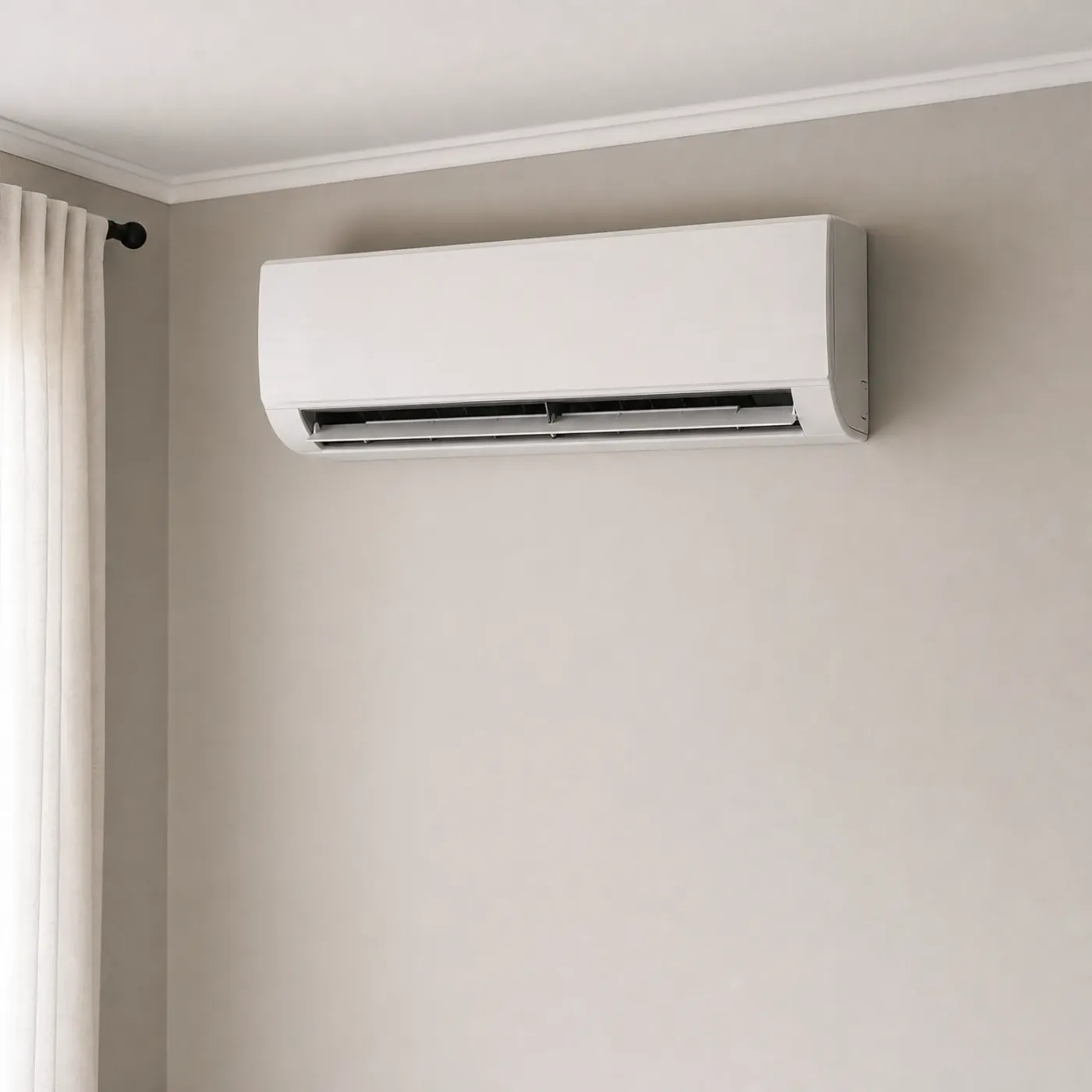
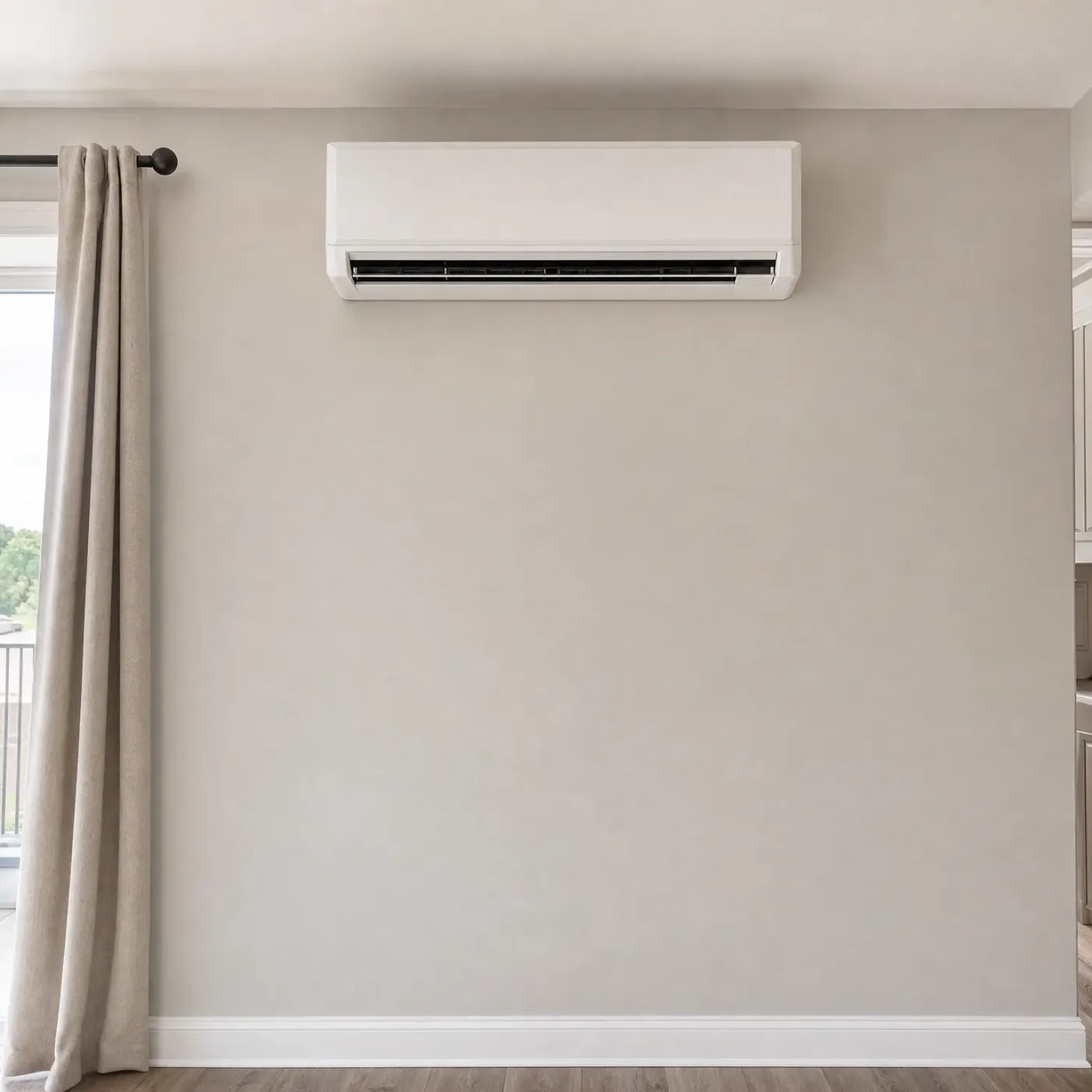
A white wall-mounted mini-split air conditioner unit high on a light gray interior wall, with a beige curtain and window at the left and wood-look flooring below.

Mini Split Running Right

A mini split that's sized and installed right keeps pulling heat out of the cold air all winter without much strain. You'll notice steady, even warmth in the room instead of the baseboard's hot-then-cold cycle. That's where the savings against baseboard heat actually come from.
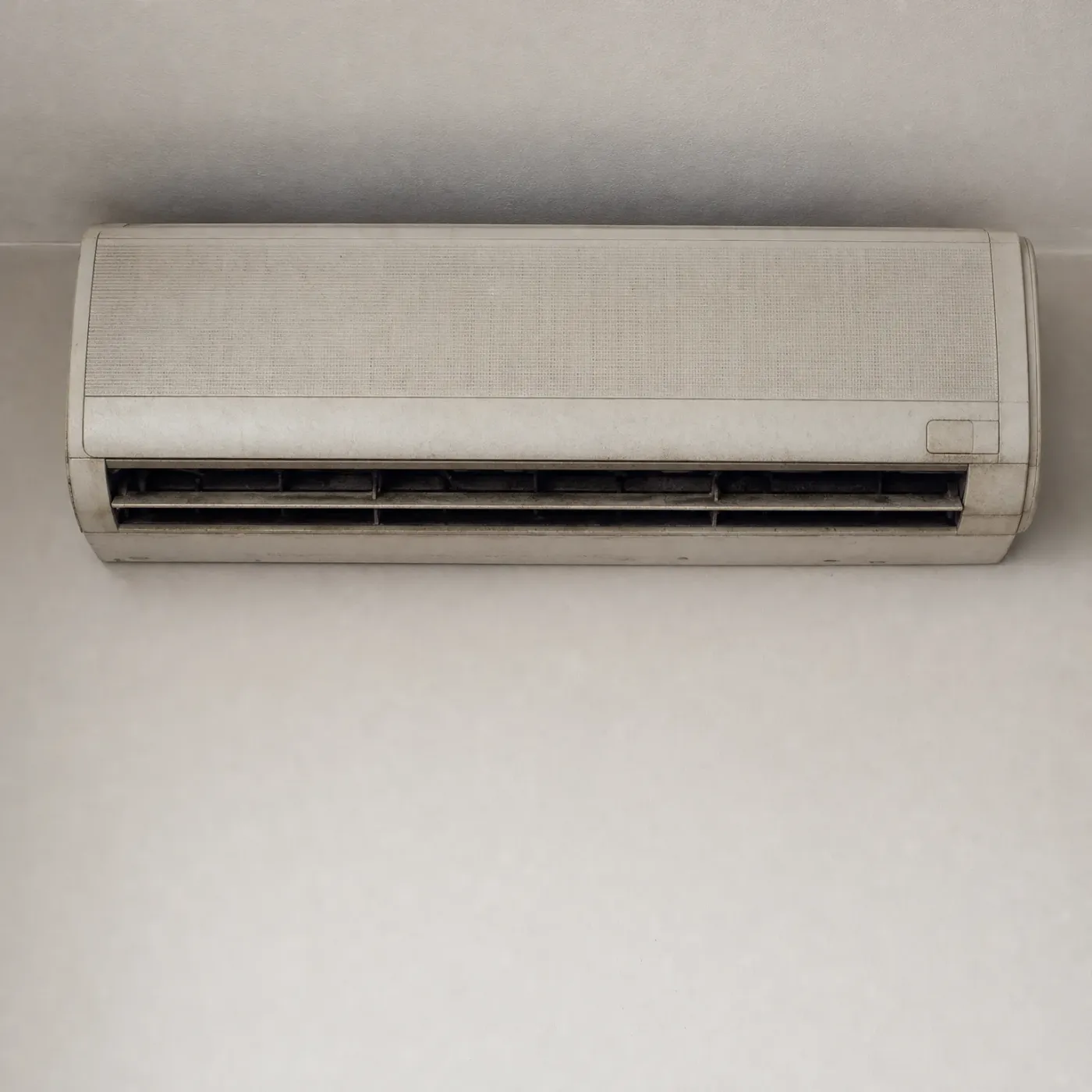
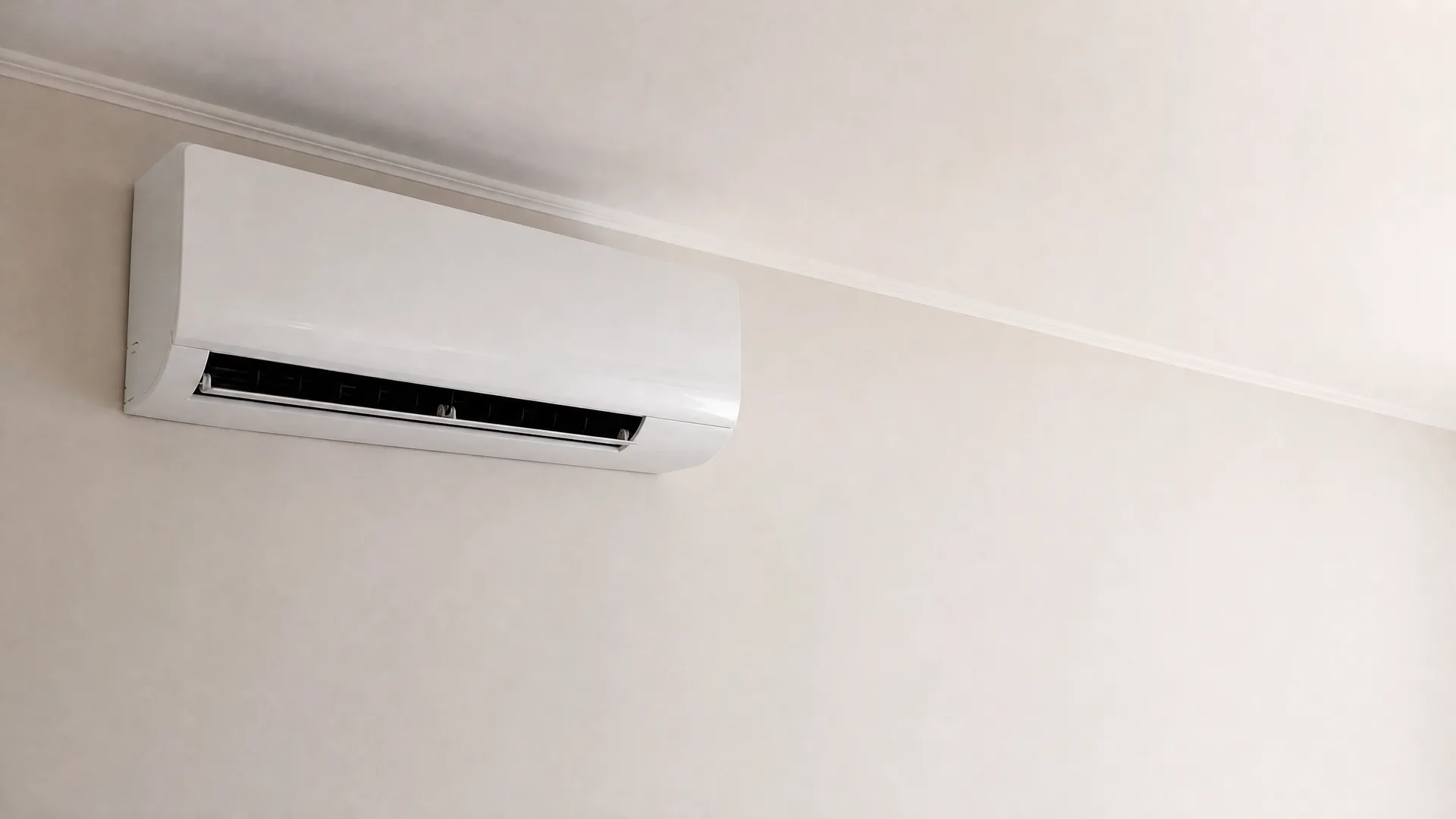
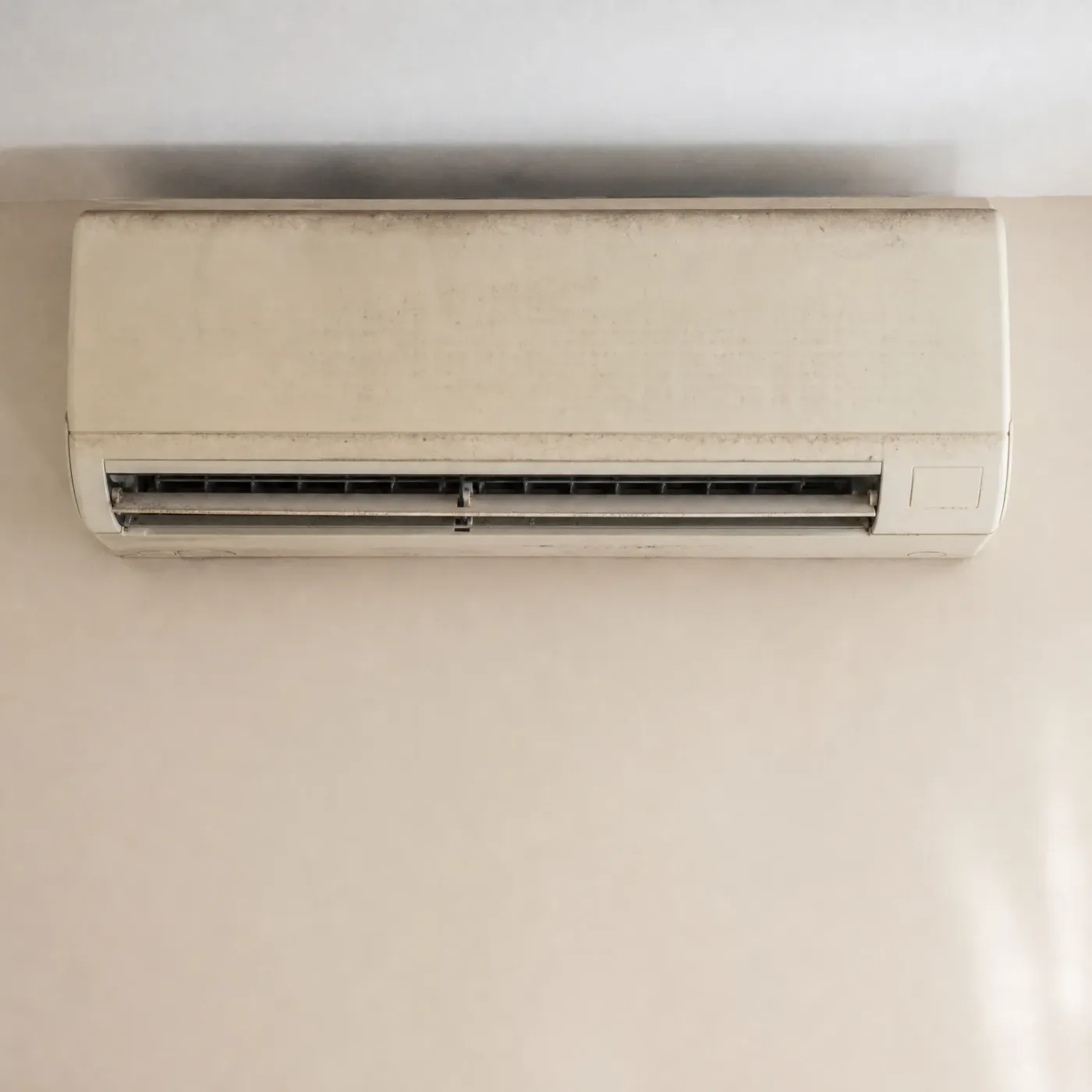
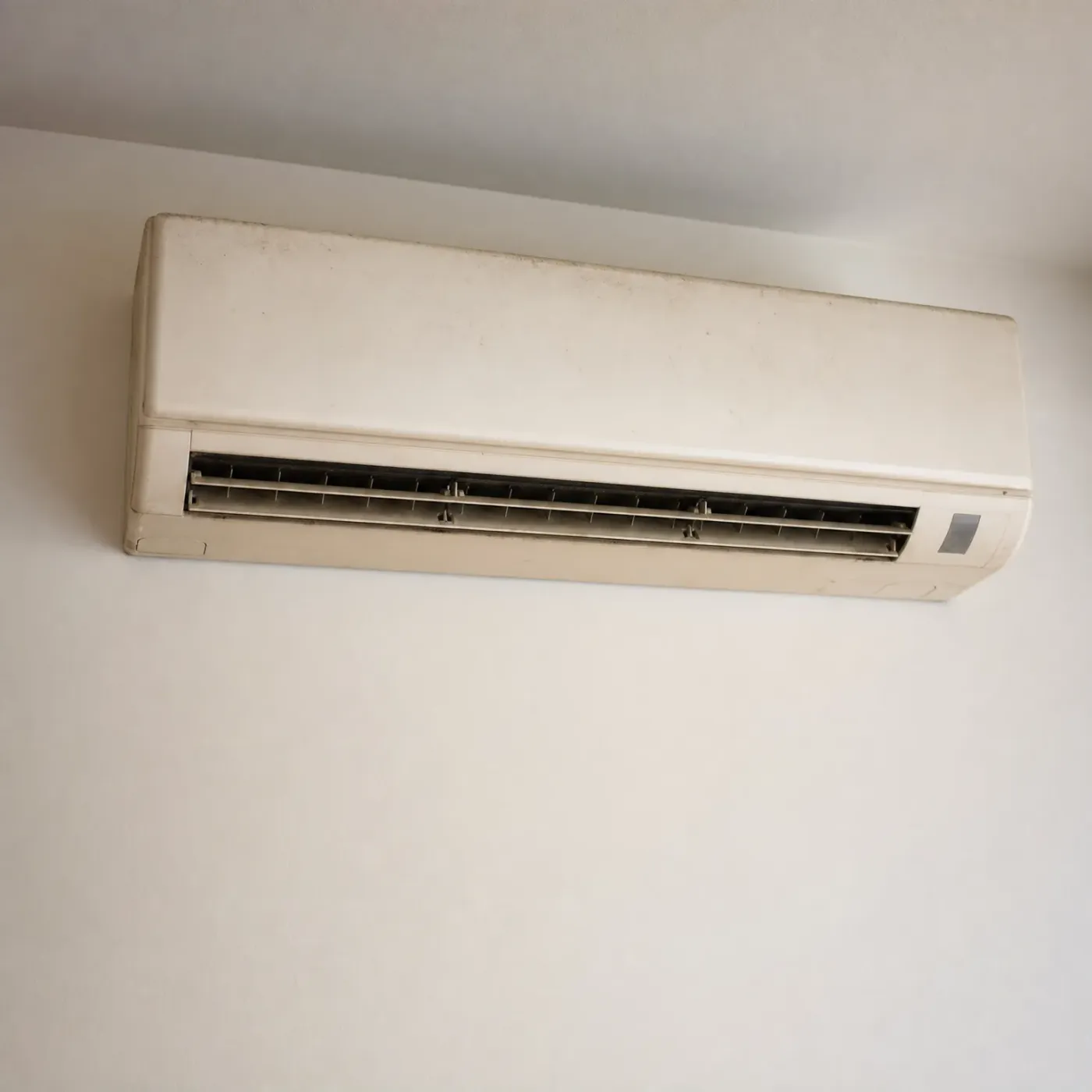
A dusty white wall-mounted mini-split air conditioner indoor unit with open louvers, installed near the ceiling on a plain light-colored wall.

Mini Split Losing Ground

A dusty coil and a grimy vent like this make the unit work harder to move the same amount of heat. Once it's clogged up, it draws more power to do less, and some of what you'd save over baseboard heat disappears. A local contractor can tell you if that's what's driving your bill up.

Baseboard Heat vs Mini Split

Baseboard Heat

  • Each baseboard unit runs on electric resistance, which turns every watt into heat but still costs more per watt than moving heat does.
  • There's no outdoor unit and no refrigerant line to maintain, so there's less to go wrong mechanically.
  • Rooms heat up fast since the element is right there in the room, but the heat drops off just as fast once it cuts off.
  • Zoning is already built in if each room has its own thermostat, though most Alabama homes run several baseboards off one setting.
  • Power here is expensive, and resistance heat has no advantage against that. It's the most it will ever ask of the grid.
  • If a baseboard element fails, it's a simple swap. There's no compressor or coil involved.

Mini Split

  • A mini split moves heat from the outside air into the house instead of generating it, so it draws far less power for the same warmth.
  • It also cools in summer, so it replaces whatever is handling the muggy months now instead of adding a second system next to it.
  • The outdoor unit and the indoor head both need clear airflow and periodic filter cleaning to keep pulling their full capacity.
  • In a home that currently heats with baseboards, swapping in a mini split means the biggest bill of the winter stops being resistance heat.
  • Sizing it to the room matters. Too small and it runs constantly in January; too large and it short-cycles and wears out faster.
  • Installation means running a refrigerant line and mounting an outdoor condenser, work a baseboard swap never requires.
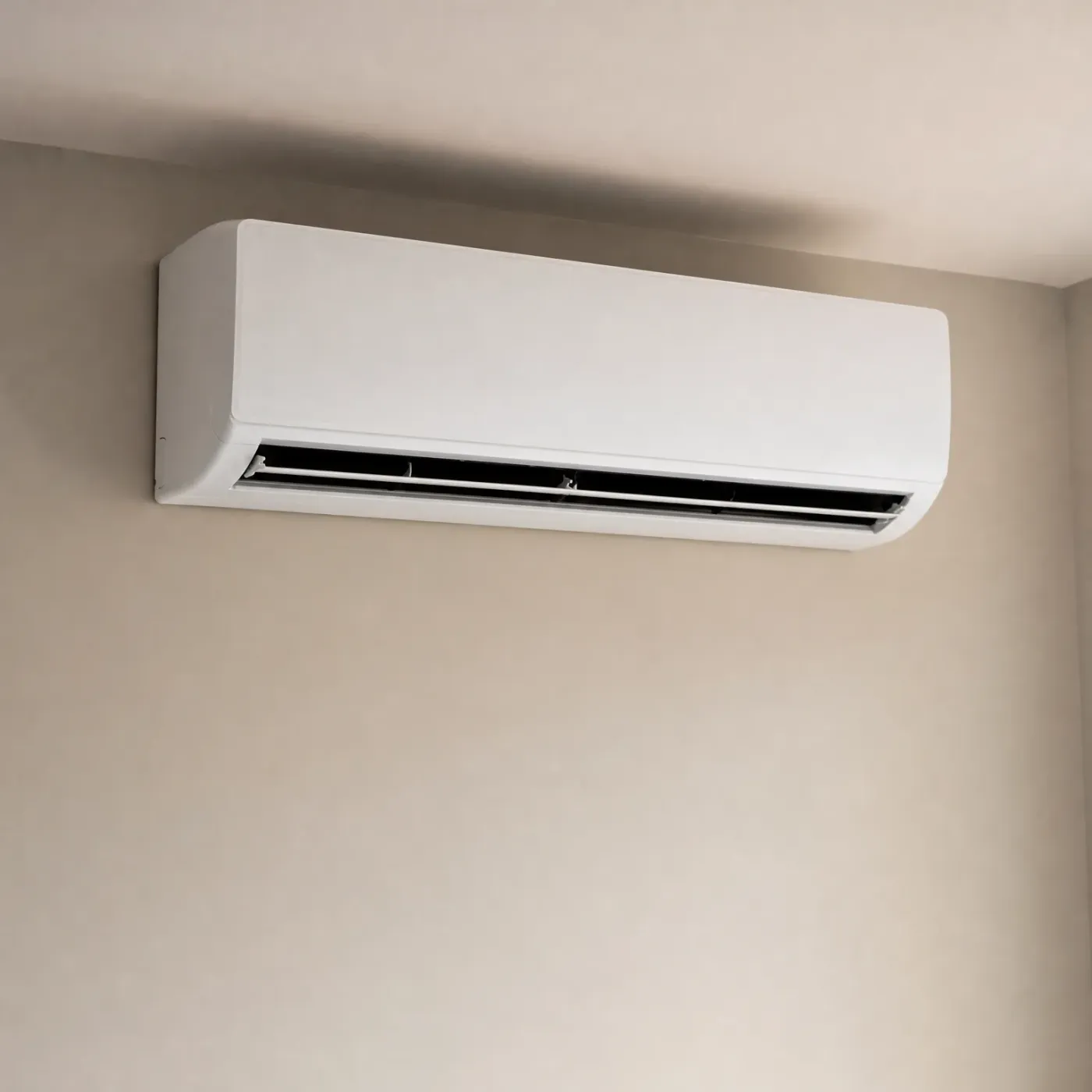
A white wall-mounted mini-split air conditioner indoor unit installed high on a plain beige wall near the ceiling.

What a Mini Split Moves

A mini split does not make heat the way a baseboard does. It runs a refrigeration cycle in reverse, pulling heat out of the outside air and carrying it inside through the refrigerant line. For every watt of electricity it uses, it moves several watts worth of heat. Baseboard heat can only turn one watt into one watt. That difference holds even on Alabama's colder nights, since the outside air rarely gets cold enough to strip a mini split of its advantage.

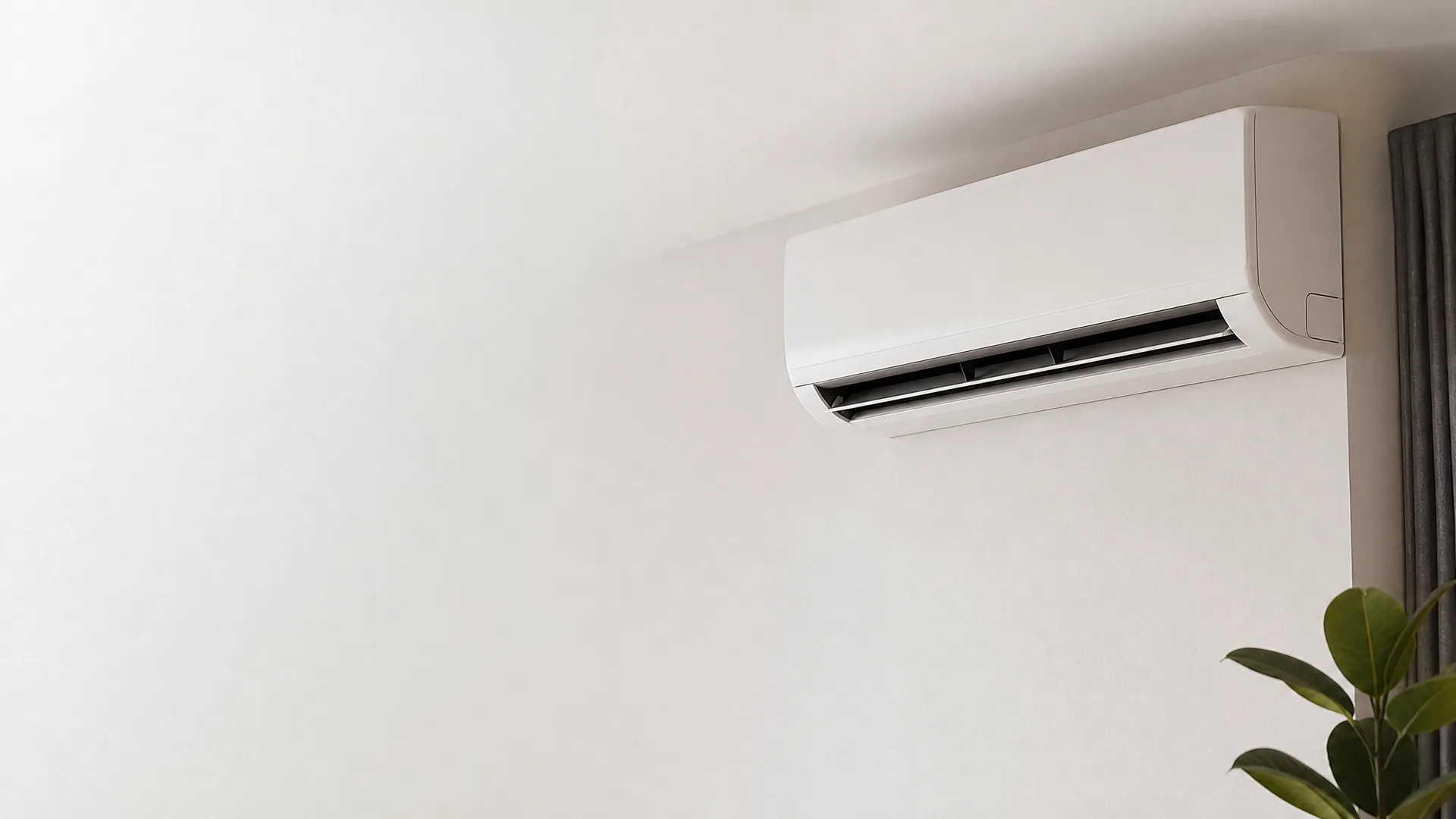
A white wall-mounted mini-split air conditioner unit near the ceiling of a plain white wall, with a gray curtain at the right edge and green plant leaves in the lower right corner.

Where the Savings Show Up

Check a winter power bill against a summer one if your home still uses baseboard in any rooms. The gap between them usually points to those rooms. A mini split run off the same circuit load tends to narrow that gap because it's not drawing full resistance power to hold a room at temperature. Alabama's mild winters help here too, since the mini split isn't working against deep cold for months at a stretch the way it might further north.

How does a mini split actually work compared to baseboard heat?

You've seen the word "efficient" attached to mini splits plenty of times, but that doesn't tell you what's physically different about the two systems. Baseboard heat has one job and one way of doing it. A mini split does something else entirely, and knowing what that is helps you understand why the power bill looks the way it does once you switch, instead of just taking it on faith.

A mini split pulls heat from outside air, it doesn't manufacture it

Inside a baseboard unit, electricity runs through a resistance element and that element gets hot, the same thing happening inside a toaster. Every watt in becomes a watt of heat, no more. A mini split works through a compressor and a refrigerant line running to an outdoor unit. The refrigerant absorbs heat from the outside air, even when that air feels cold, then carries it inside and releases it into the room through the indoor head. The compressor uses electricity to move that heat, not to create it, so one watt in can move several watts' worth of heat. That's the whole difference. On a January morning in Alabama, the outdoor unit is still pulling usable heat out of air most people would call too cold to bother with.

A dusty, discolored wall-mounted mini-split air conditioner unit near the ceiling of a plain beige interior wall.
Before you get your mini split installation
A white wall-mounted mini-split air conditioner installed near the ceiling on a plain beige interior wall.
After you get your mini split installation

What you'd keep paying for

If you stayed on baseboard heat, every room with a unit would keep drawing straight electric resistance all winter, and in Alabama that's billed at a high rate per kilowatt hour. You'd feel it most on the coldest nights, when the baseboards run close to constant to hold a room at temperature. Nothing about that changes year to year unless you replace the system. The bill moves with the weather and the rate, not with anything you can fix on your end.

What changes with a mini split

A mini split installed in place of baseboard heat would use the same refrigerant line and outdoor unit you already have to handle winter, not just summer. You'd set a room's temperature and the system would cycle to hold it, pulling heat from the outside air instead of making it from scratch. On a mild Alabama winter night it wouldn't work hard to do that. The difference shows up on the bill in the months baseboard used to run hardest.

An older woman with gray hair in a gray knit sweater sits on a sofa under a knitted blanket beside a large window, looking out toward yellow autumn foliage, with a living room, fireplace and patterned rug behind her.
An older woman with gray hair in a cowl-neck sweater sits on a sofa under a blanket, looking out a large window toward trees with yellow autumn foliage.
A gray-haired woman in a light knit sweater sits in an armchair by a window, looking out at trees with yellow autumn leaves, with a dark ceramic mug on the sill and a plant in the foreground.
A gray-haired woman in a cream knit sweater sits in a chair by a large window, looking out at rolling hills covered in autumn-colored trees.
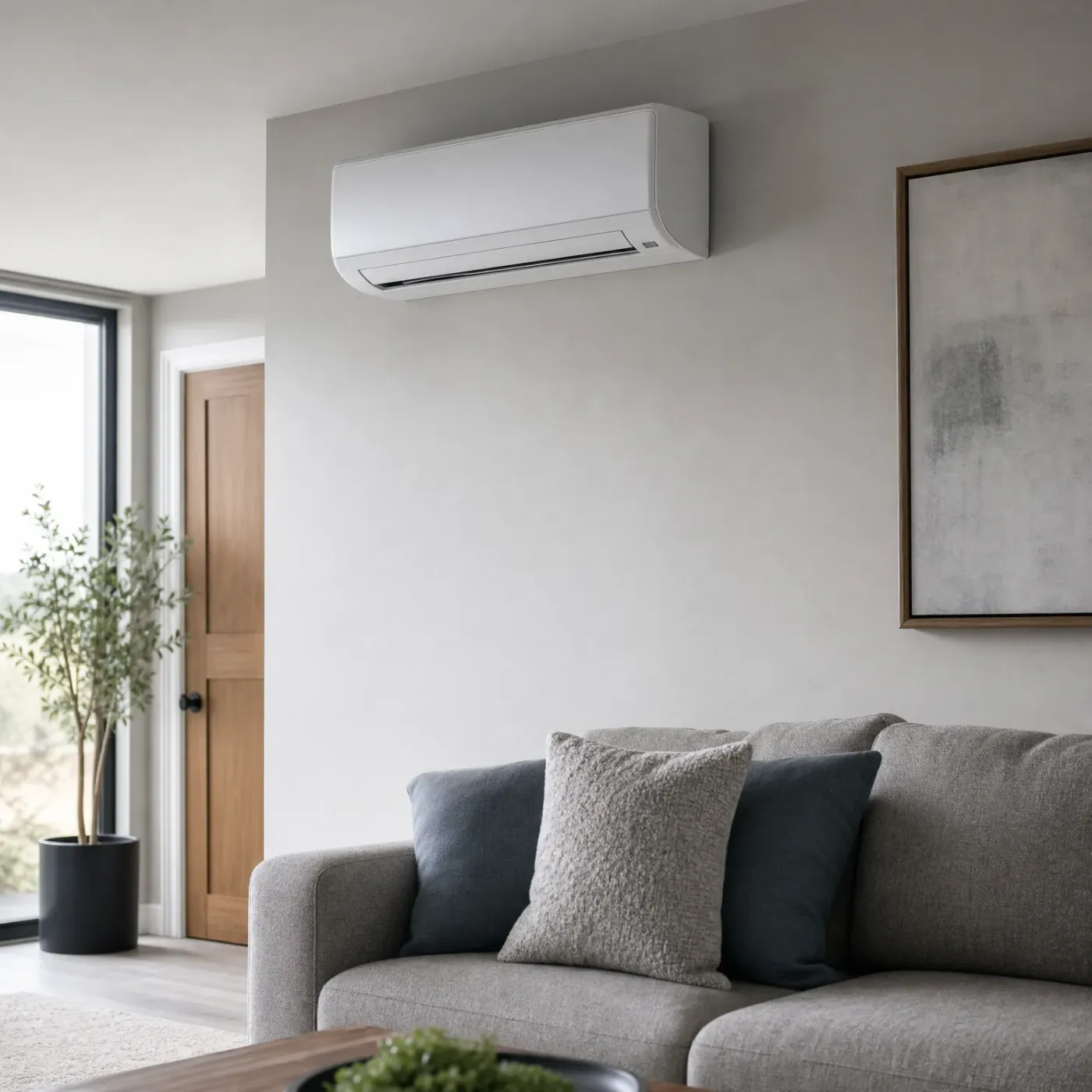
A white wall-mounted mini-split air conditioner on a light gray wall above a gray sofa with cushions, with a framed abstract artwork at right, a wooden door and potted plant at left.

A mini split pro near you

One installer gets your project, so there's no bidding war over it.

A local installer who puts in mini splits gets your project.

Request a pro

There's no charge for the request.

A woman stands in the open black front door of a white-sided house with a dark shingled roof while a man in a navy jacket approaches along the walkway, with lantern wall lights, a potted shrub, and flowering garden beds nearby.

What this looks like on your bill

You already have the mini split, so the comparison isn't hypothetical. If it's doing the work right, you should be able to see it in last winter's bill against the rooms still carrying baseboard. If one room still runs on baseboard and stays cold or costs more to heat than the rest of the house, that's worth a look before next winter, not during it.

A split that's undersized for the room it's heating will lean on backup strip heat to catch up on cold nights, and that backup heat is electric resistance, the same expensive watt-for-watt heat baseboard makes. A local contractor who installs these year-round in Alabama homes can tell you from a look at the unit and the room whether it's sized and running the way it should be, and get that settled while you've got the season ahead of you to decide instead of the night it matters.

A wooden table holding a stone vase with a bare branch, two stacked books and a small dark bowl, beside a window with green foliage outside and a sofa in the dim background.

Power costs 16.09 cents per kilowatt-hour statewide

At 16.09 cents per kilowatt-hour, every watt a baseboard pulls to make heat directly costs you more than a watt your mini split uses to move it. That gap is what shows up smaller on the mini split rooms' share of your bill.

EIA-861 2025 statewide residential average

A white wall-mounted mini-split air conditioner installed high on a beige interior wall near the ceiling molding, with a light curtain and curtain rod at the left edge.
A mini split working the way it should, pulling its weight against every baseboard unit still on in the house.
A wall-mounted mini-split air conditioner indoor unit with a discolored cream plastic casing and dusty outlet vanes, installed high on a plain light-colored interior wall near the ceiling.
A mini split this worn is losing ground to baseboard heat, and the gap on your bill is the proof.
A single-story red brick building with a shingled hip roof, large windows and a recessed central entry, fronted by a wide empty asphalt parking area with sun glare, surrounded by green deciduous trees.

Summers here run heavy. Averaged across Alabama, the dew point sits at 69°F through June, July and August, according to NOAA climate data, and that's the number that tells you how much moisture your mini split is actually wringing out of the air, not just how hot it feels. That same unit that moves heat in winter is pulling double duty in summer, dropping temperature and stripping humidity at the same time. On the muggiest days you'll notice it running longer, and that's the coil working through moisture, not a sign anything's wrong. A mini split sized only for heat load in a house like yours can fall short here, running long without ever feeling like it caught up.

NASA POWER T2MDEW county cells weighted by homes

Why does one room feel colder than the rest?

If you still have a baseboard unit running in one room, you've probably noticed it heats in bursts. The room warms fast, the unit clicks off, and the air cools again before it kicks back on. Stand near the mini split room next door and the air feels steadier, no hot blast followed by a cold stretch. You might also notice the baseboard room's door stays shut more in January, or that a space heater's been pulled out for the coldest nights because the baseboard can't keep up on its own. None of that means anything's broken. It just means that room is still working the expensive way, and it's the one dragging your bill up every month the temperature drops.

A woman in a cream knit sweater sits in an armchair with her eyes closed near a window showing yellow autumn foliage, with a mug on a round wooden side table beside her.
A gray-haired man with a beard in a blue button-placket shirt reclines on a couch with his eyes closed, beside a sunlit window with a green plant.

The Bottom Line on Both Systems

  • A mini split costs less to run than baseboard heat in nearly every Alabama home, month after month.
  • The savings come from moving heat instead of making it, which is why the gap holds even on cold nights.
  • A baseboard unit left running alongside the mini split is still the most expensive load on your bill.
  • A local contractor who services mini splits all year knows the failures specific to Alabama's humidity and mild winters.
  • Working with one licensed contractor means a single point of contact who already understands your equipment, not a round of competing bids.
  • Once the mini split is carrying the load a room used to run on baseboard, that difference is what you'll keep seeing.

A mini split beats baseboard heat on cost in Alabama because it moves heat instead of making it, and that difference doesn't go away on the cold nights or disappear in a mild winter. Every baseboard unit still running in the house is drawing straight resistance heat at the highest rate on your bill, while the mini split is doing the same job for less. That gap is the whole answer. It holds whether you're comparing one room or the whole house, and it's there whether the system's new or getting old. What changes is how much of that gap you're actually collecting, and that comes down to whether the mini split is running the way it should. A unit that's low on refrigerant or iced over or undersized for the room it's heating gives some of that savings back, and in Alabama the usual culprits aren't the same ones you'd find further north. Humidity and short, mild winters wear on this equipment differently than a hard freeze would, and a contractor who works on mini splits here all year has seen what that does to a coil or a line set that a tech somewhere else might not catch right away. Getting matched with one licensed local contractor means the person looking at your system already knows the equipment common to this climate, not a stranger pulling up a manual. You're not fielding calls from three companies trying to win the job. You're talking to the one who already knows what to check.

Corner of a house with cream horizontal lap siding and a dark downspout ending above a mulched bed with low green shrubs, lawn and trees blurred in the background.
Corner of a house with horizontal siding, a shuttered window and a stone foundation, bordered by hydrangea shrubs with fading blooms above a flagstone path scattered with fallen leaves.
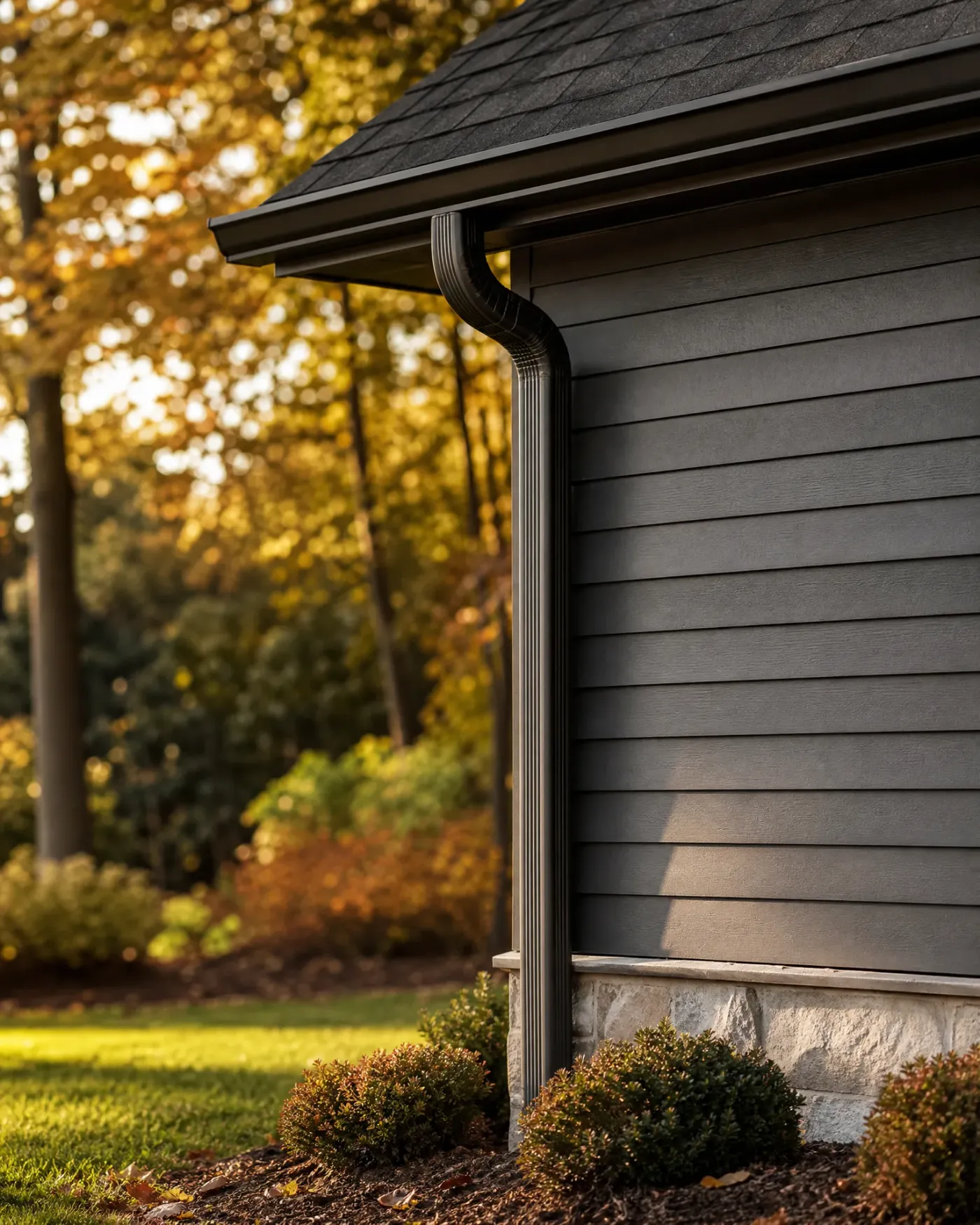
Corner of a gray lap-sided house with a stone foundation, dark shingled roof, gutter and downspout, with trimmed shrubs, lawn and autumn-colored trees in the background.
A large dark green shrub grows against the corner of a gray horizontal-sided house with a white-framed window, beside a mulched bed with fallen leaves and a walkway, with autumn-colored trees blurred in the background.
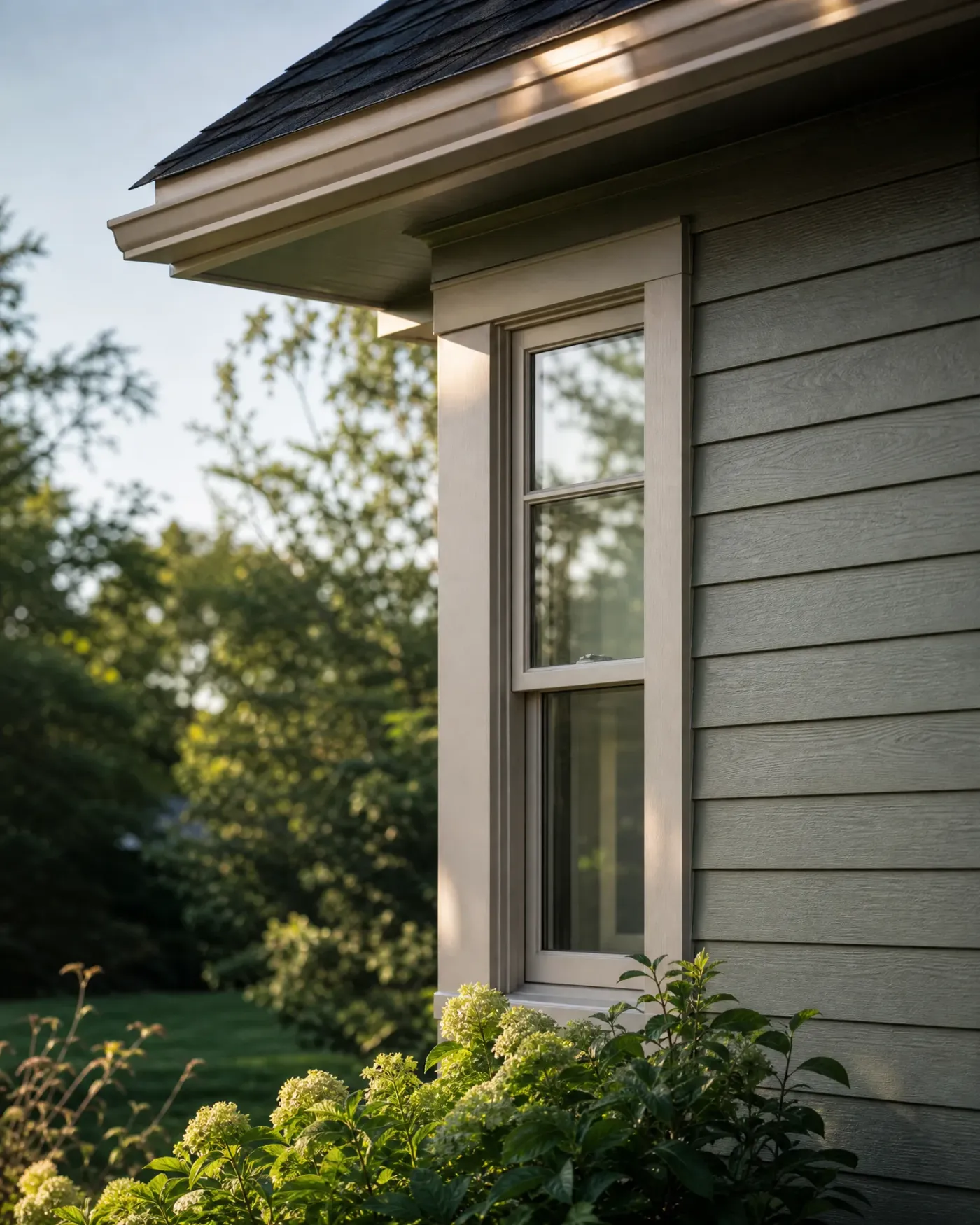
Exterior corner of a house with pale green horizontal lap siding, a white-trimmed double-hung window, overhanging eave with dark shingled roof, and flowering shrubs and trees below in sunlight.

A local pro for your mini split installation

Only one pro gets your request, so you hear from one company.

Reach a local pro

You only hire the pro if you want to.