How cold is too cold for a mini split in Alabama

Step 1 of 3: Equipment

Most mini splits start losing real heating power somewhere around 5 to 15 degrees Fahrenheit, and the exact point depends on the unit. Alabama rarely sees temperatures drop that low, but it happens most winters in the northern part of the state, and cold snaps across the rest of it can get close. Below that range, the outdoor coil can't pull enough heat from the air, so the unit either runs constantly without keeping up or switches to backup electric heat strips to make up the difference. Since most homes here heat with electricity already, that backup heat adds to a bill that's already running the system hard. A mini split sized and installed for Alabama's climate should hold its output through the state's coldest nights without leaning on backup heat the whole time. If yours struggles well above freezing, that usually points to the unit being undersized or set up wrong for your home, not the cold itself.

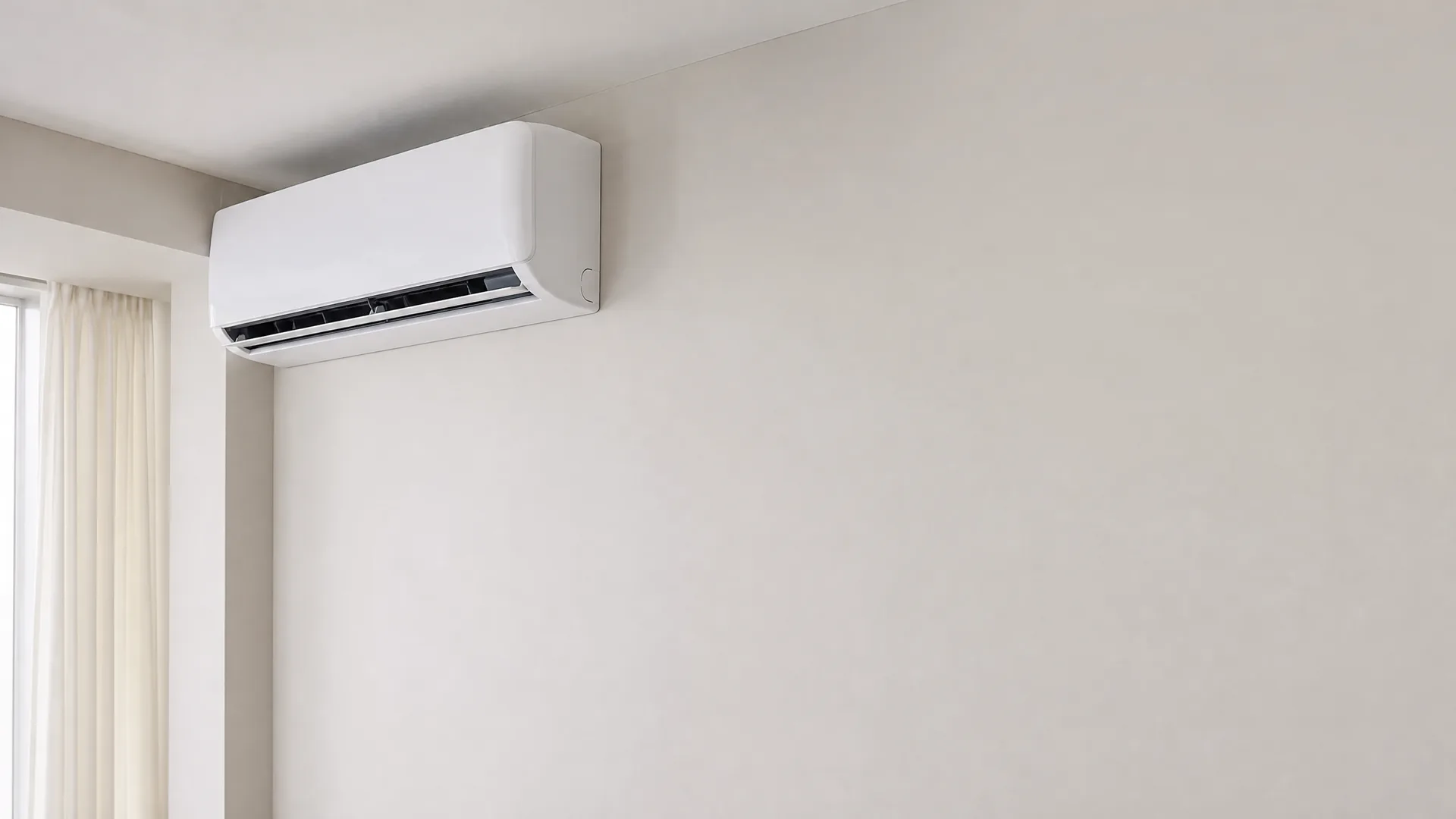
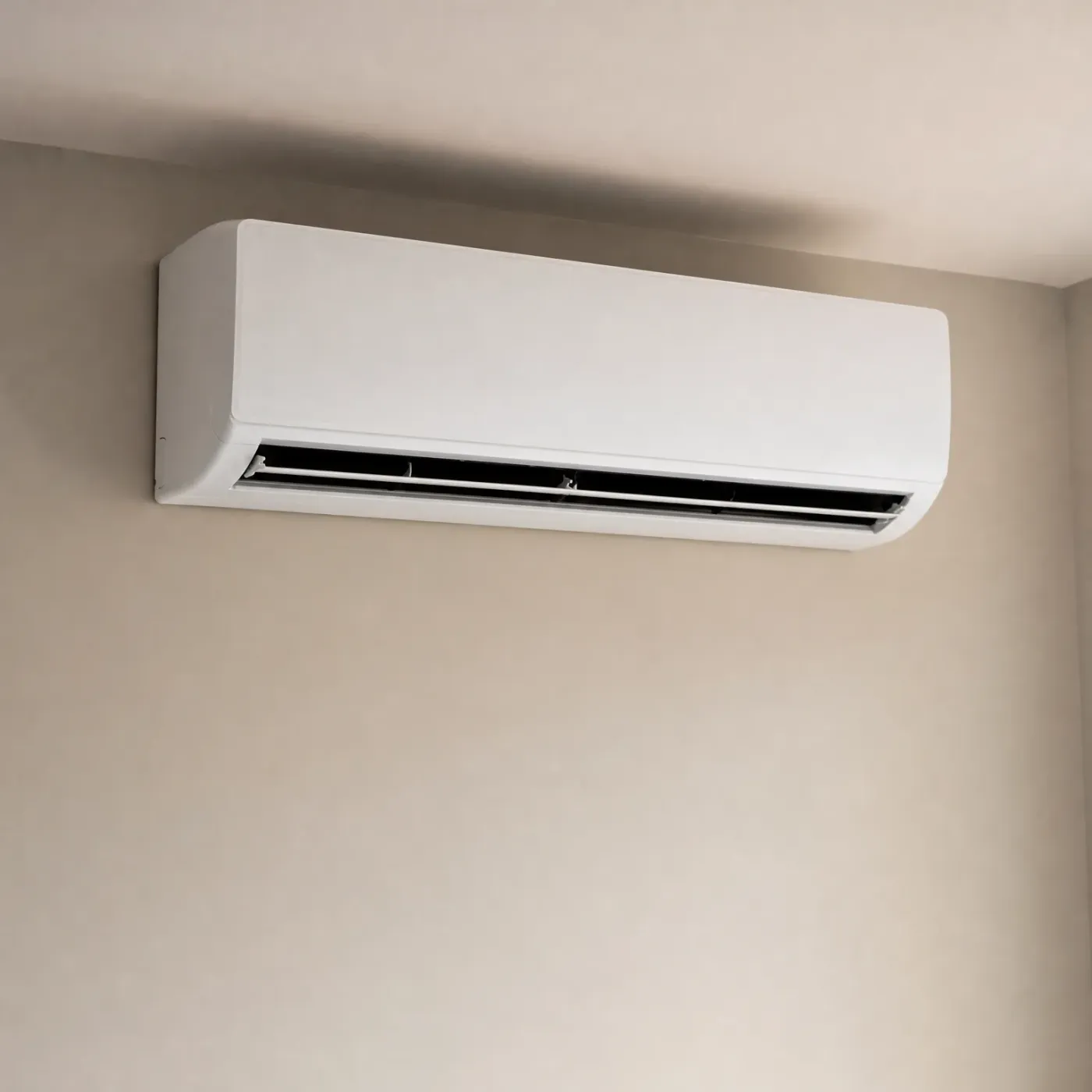
A white wall-mounted mini-split air conditioner installed near the ceiling on a plain beige interior wall.

Running fine in the cold

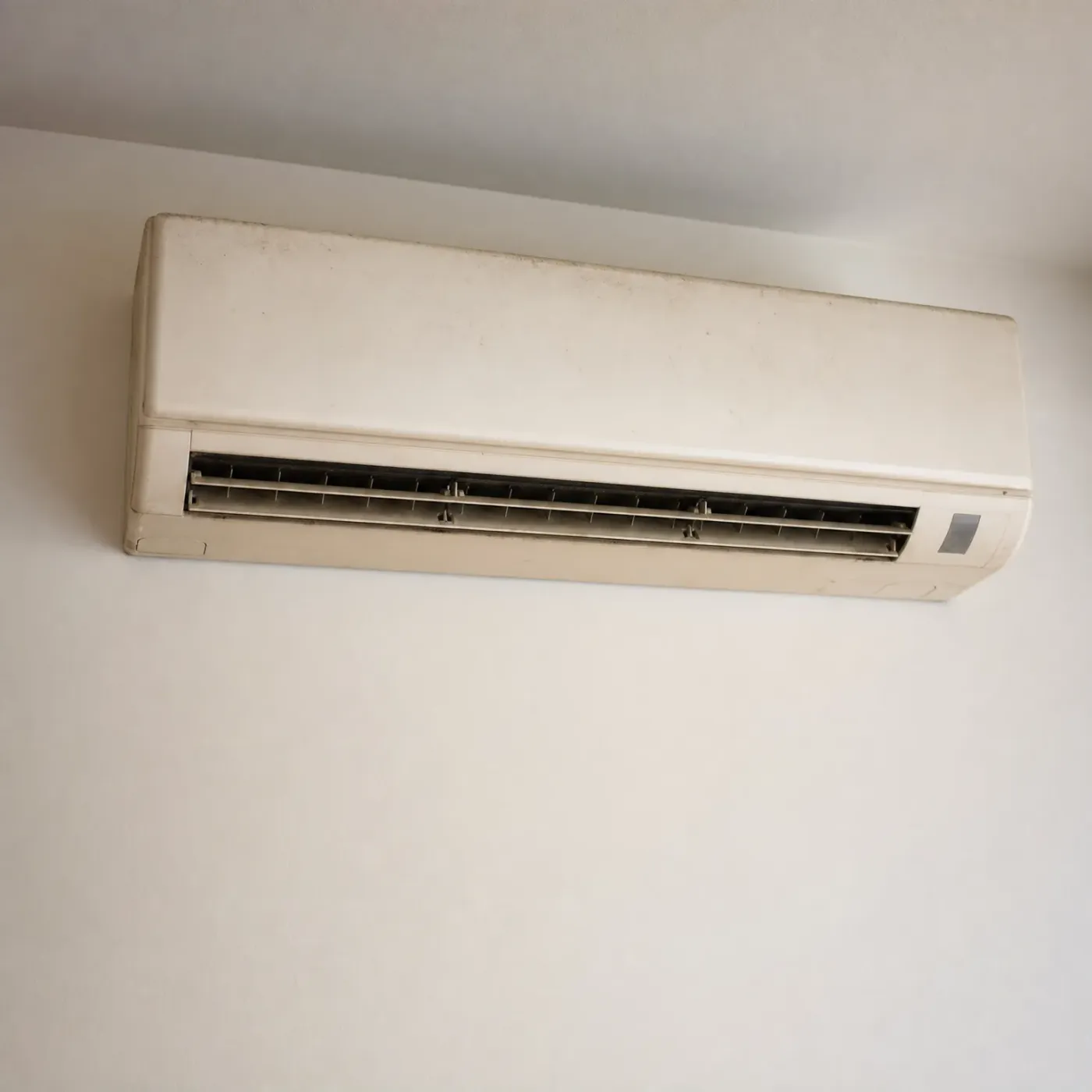
A mini split handling a cold snap keeps blowing warm air from that bottom grille without straining. The casing stays clean, the panel sits flush, and the unit cycles normally. This is what a correctly sized system looks like once temperatures drop into the 20s and 30s, the range most of Alabama sees most winters.
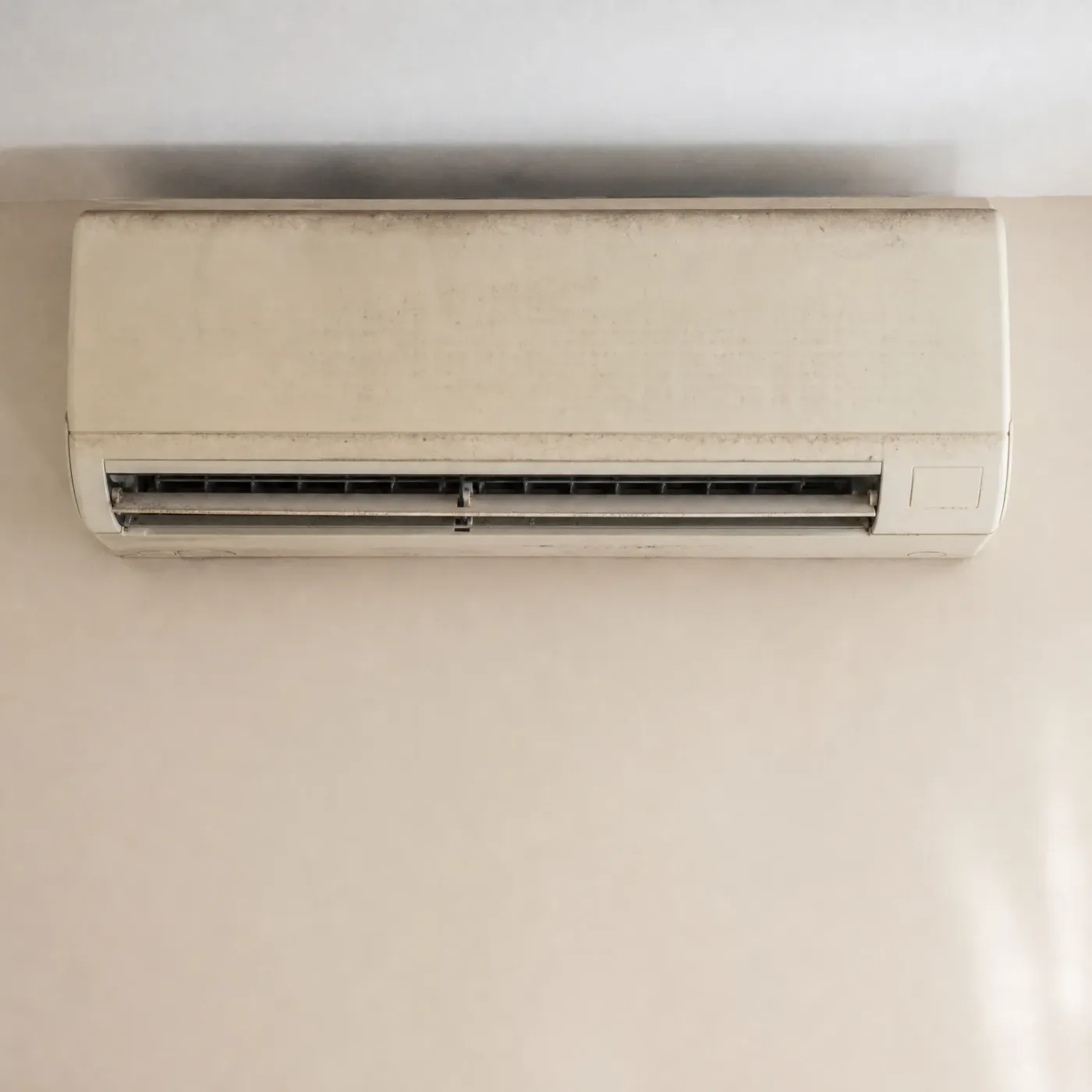
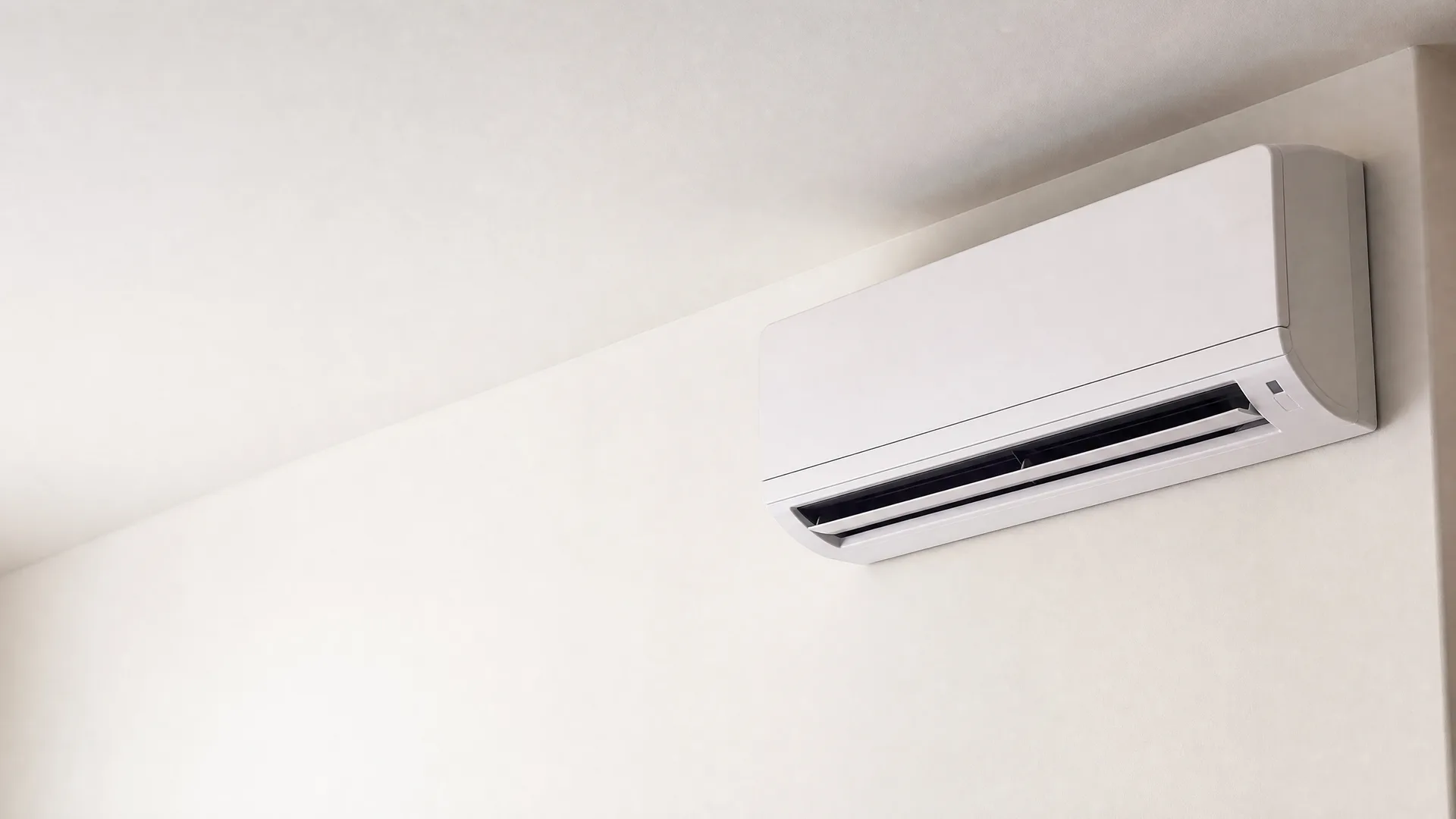
A dusty, discolored wall-mounted mini-split air conditioner unit near the ceiling of a plain beige interior wall.

Struggling below its limit

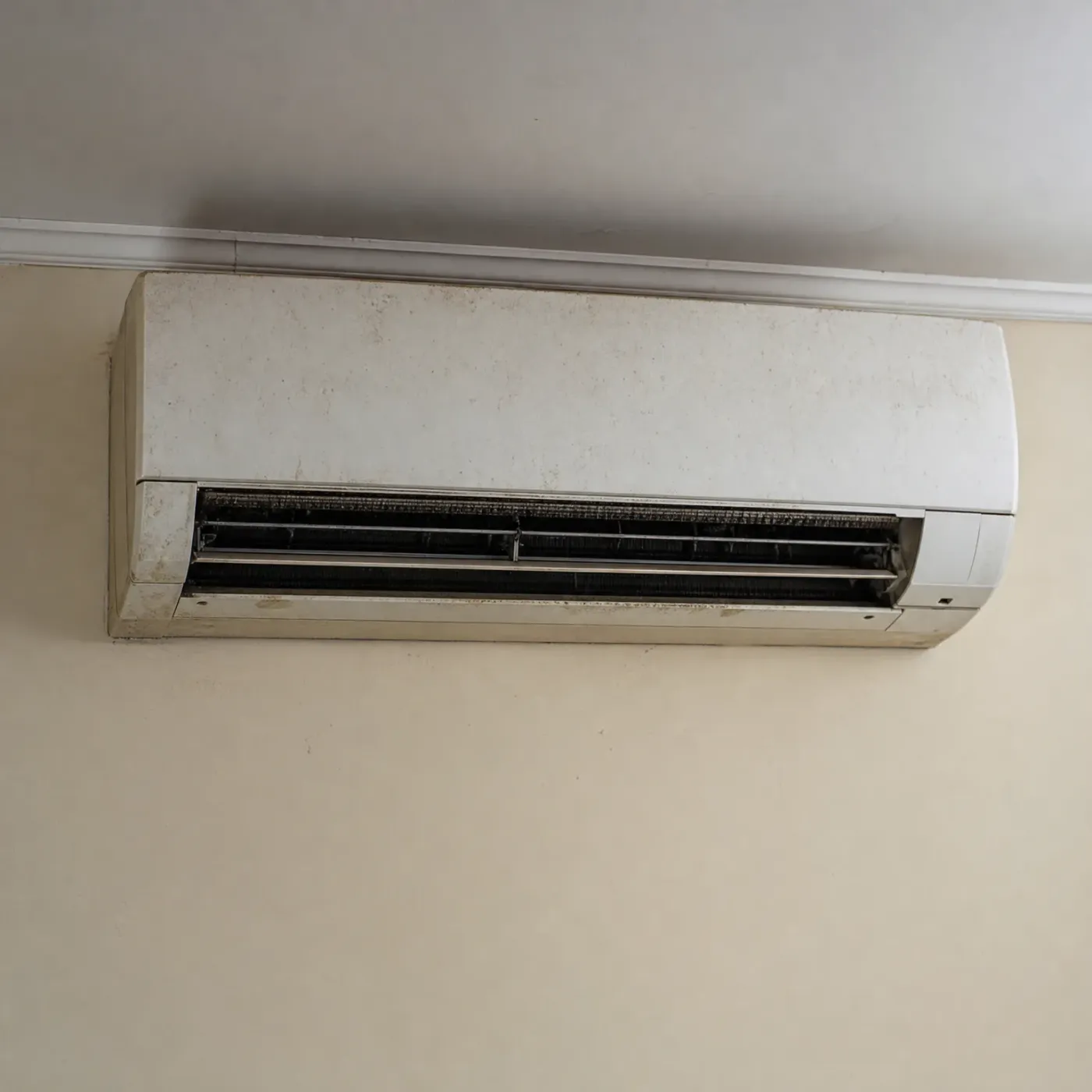
A unit pushed past its cold limit often looks worn before its time, with a yellowed, dusty casing from running long hours trying to keep up. When the outdoor temperature falls below what the system can pull heat from, it runs constantly and still falls short, which costs more on a power bill that's already high for electric heat.

Standard vs. Cold Climate Mini Split

Standard mini split

  • Heating output drops off once outdoor temps fall into the 5 to 15 degree range, right where a hard freeze in north Alabama can sit for a day or two.
  • Below its rated point, the compressor runs longer to make less heat, which shows up on the power bill given how expensive electricity is in Alabama.
  • Most homes here heat with electric baseboard or a standard heat pump already, so a standard mini split just adds another unit with the same cold weather limit.
  • Once the outdoor coil can't pull enough heat from the air, the unit leans on backup resistance heat, if it has any, to keep the room from going cold.
  • Sizing one for Alabama's muggy summers alone can leave it undersized for the handful of nights each winter that drop hardest.

Cold climate mini split

  • Built with a different compressor and coil design, these units keep producing usable heat well below where a standard model starts to fall off.
  • A contractor who installs these every season in Alabama can size one for both the muggy summer load and the occasional hard freeze up north.
  • Because the compressor modulates instead of just cycling on and off, it holds steady heat through a cold snap instead of running flat out.
  • The install cost runs higher than a standard mini split, but the unit is doing real work on the nights electricity use would otherwise spike.
  • A local contractor matched to your specific setup will know which cold climate models actually hold up in this state's winters, not just on paper.
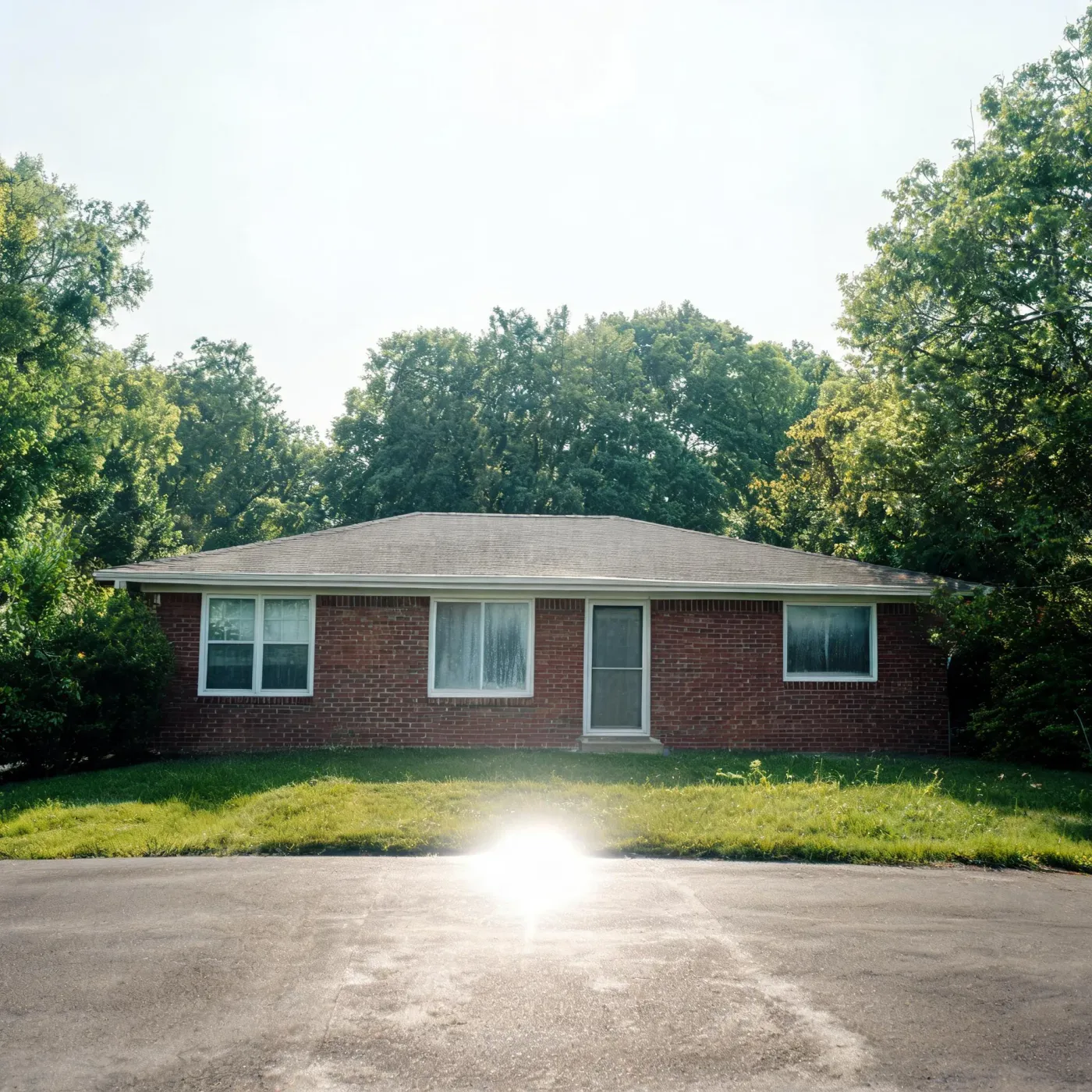
A single-story red brick house with a shingled hip roof, three windows and a central storm door, fronted by a mowed lawn and an asphalt driveway, with dense green trees behind it and sun flare in the foreground.

Summer humidity here runs heavy. Averaged across homes in Alabama, the summer dew point sits around 69°F through June, July and August, per NOAA. That's the level where air feels sticky even when the thermometer isn't that high. Your mini split is pulling moisture out of that air every time it runs, and in a stretch like that it may run most of the day to keep up. A unit sized and installed right handles that load without trouble. One that's undersized, or placed where it's fighting direct sun or poor airflow, will run longer, cool less, and leave the room feeling damp even with the temperature down. That shows up on your power bill before it shows up anywhere else.

NASA POWER T2MDEW county cells weighted by homes

What actually happens inside a mini split when it gets too cold outside?

You already know your mini split struggles once it gets cold enough, but you want to know what's actually going on inside the unit when that happens, not just the number on the thermostat. Understanding the mechanism helps you tell the difference between normal cold-weather behavior and a unit that's failing or undersized for your home.

The outdoor coil can't pull enough heat from the air, so the compressor works harder for less output

A mini split heats by pulling heat out of the outdoor air with refrigerant running through the outdoor coil, then moving that heat inside through the indoor head. As the air outside gets colder, there's less heat in it to grab, so the refrigerant needs more pressure and a longer compressor run to collect the same amount. Below the unit's rated point, usually somewhere in that 5 to 15 degree range, the compressor is running close to full tilt but the coil still can't gather enough heat to keep up. That's when you feel the indoor air turn lukewarm instead of warm, even though the unit sounds like it's working just as hard as always. Frost can also build on the outdoor coil in that range, which is what triggers a defrost cycle.

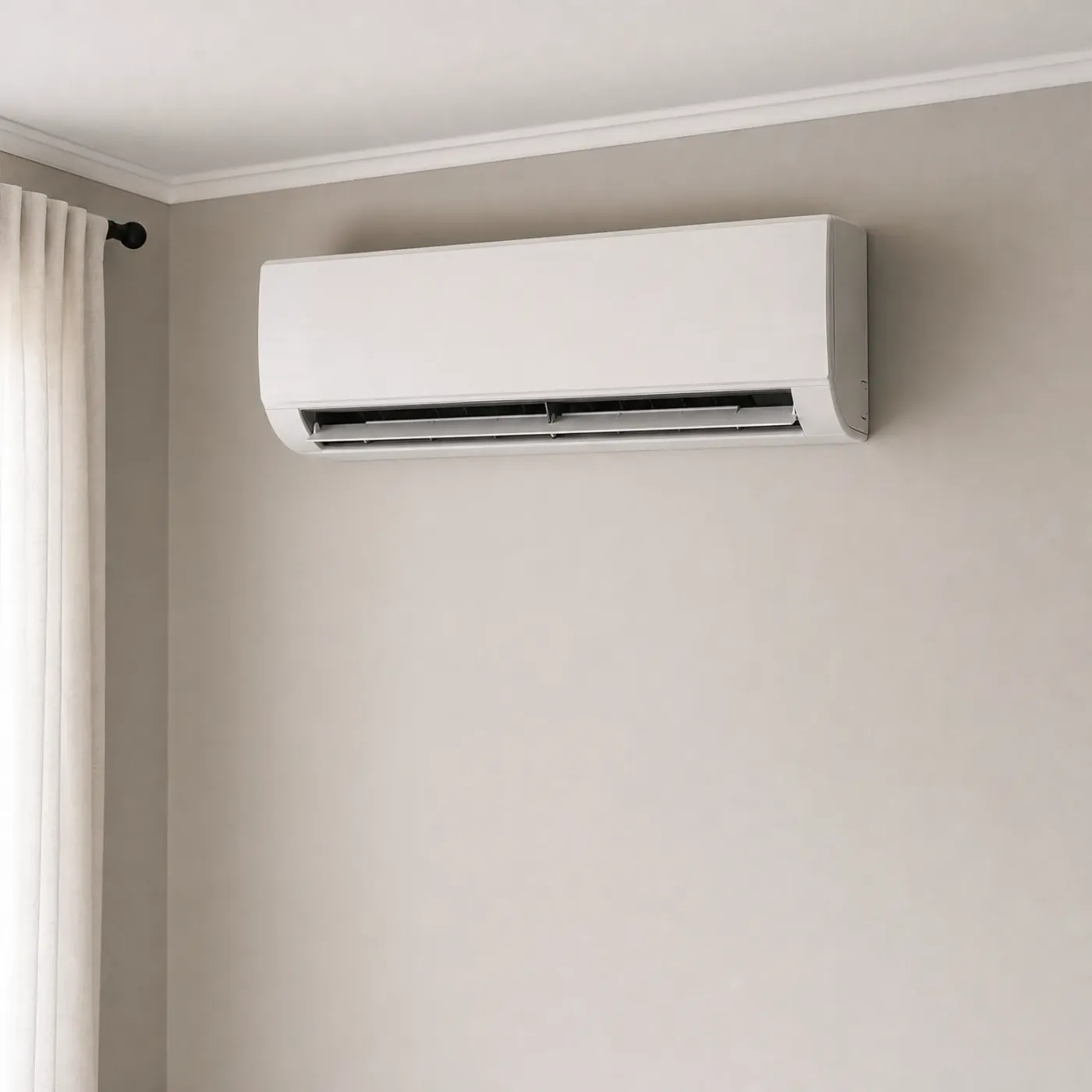
A white wall-mounted mini-split air conditioner near the ceiling of a room with plain beige walls and a pale curtain at the left edge.

Why the outdoor coil matters

The outdoor unit pulls heat out of the air outside, even when it's cold, and moves it inside through the refrigerant line. As the air gets colder, there's less heat in it to grab, so the coil has to work harder for the same result. Frost can build up on that coil during a hard freeze. Most units run a defrost cycle to clear it, which is normal, but it means a few minutes where the indoor head blows cool air instead of warm.

A white wall-mounted mini-split air conditioner indoor unit installed near the ceiling on a plain off-white interior wall.

Sizing has to match your winter

A mini split sized only for a mild Alabama winter will fall behind the first time a front drops temperatures into the teens. Installers size a system against the coldest stretch a region actually sees, not the average. In north Alabama, that means planning for a hard freeze that can hold for a day or two, not just the occasional chilly night. A unit matched to that gets through it without leaning on backup heat strips that drive up your electric bill.

Power costs 16.09 cents per kilowatt-hour statewide

At 16.09 cents a kilowatt-hour, every degree your mini split struggles to pull out of cold outdoor air costs you more than it should. When the compressor runs longer to make less heat on a hard freeze night, that's extra hours on the meter, not just a colder room.

EIA-861 2025 statewide residential average

  1. Outdoor coil pulls heat from the cold air outside

  2. Refrigerant carries that heat through the line indoors

  3. Compressor works harder as outdoor air gets colder

  4. Defrost cycle clears frost building on the outdoor coil

A woman with long gray hair wrapped in a checked blanket sits on a sofa by a window with yellow autumn foliage outside, with a lamp, framed picture and plant in the background.
An older woman in a cream knit sweater sits on a sofa by a window, looking out at sunlit trees with yellow and orange autumn leaves, with a bookshelf and lamp behind her.
A woman with gray shoulder-length hair in a dark knit sweater sits on a cushioned seat by a window, looking out at yellow autumn foliage, with a living room, armchair, houseplant and framed picture behind her.
An older woman with gray hair in a bun, wearing a cream knit sweater, sits on a sofa with a gray blanket and looks out a large window toward yellow-green autumn trees, with a lit table lamp and dark armchair behind her.
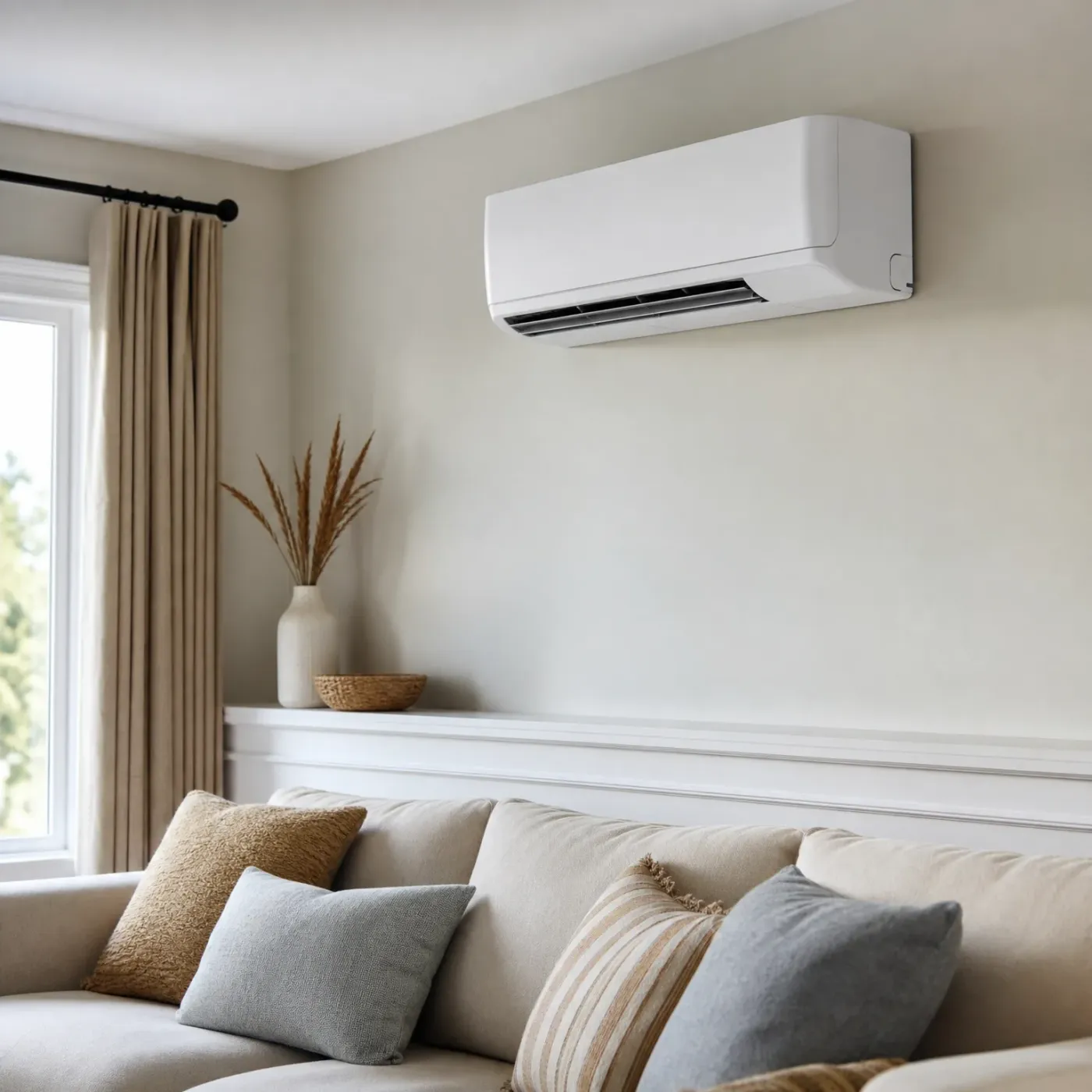
A white wall-mounted mini-split air conditioner on a pale wall above a beige sofa with assorted cushions, beside a window with long curtains and a shelf holding a vase of dried grasses and a woven bowl.

Matched to your mini split job

One installer gets your project, so there's no bidding war over it.

A local installer who puts in mini splits gets your project.

Find a pro near me

No charge to send it. You decide if you hire them.

Why does your mini split blow cool air on the coldest nights?

On a hard freeze night you'll notice the air coming from that indoor grille isn't as warm as it was an hour before, and the room starts losing ground even though the unit is running the whole time. You might hear it cycling more, staying on longer between the clicks and pauses that come with defrost. Go outside and the outdoor unit may have frost on the coil or be steaming as it clears it. If your home heats with electric, as most do here, that longer runtime shows up on your bill before the month is out. Left alone on nights that drop into that range, a system sized for an average Alabama winter can leave a room cold enough to notice by morning.

A white wall-mounted mini-split air conditioner installed high on a beige interior wall near the ceiling molding, with a light curtain and curtain rod at the left edge.

Sized right for your place

That wall unit keeps pushing warm air from the bottom grille through a hard freeze without slowing down. The casing stays white, the panel sits flush against the wall, and it cycles on and off like it should. A unit matched to your home and your coldest nights looks like this one, winter after winter.

A wall-mounted mini-split air conditioner indoor unit with a discolored cream plastic casing and dusty outlet vanes, installed high on a plain light-colored interior wall near the ceiling.

Struggling past its limit

This one's casing has gone yellow and picked up a layer of dust it didn't used to hold. Louvers that used to snap shut now sit loose. A mini split pushed below where it heats well runs longer and harder to keep up, and the wear on the outside tells you it's been losing that fight for a while.

A dusty white wall-mounted mini-split air conditioner installed high on a beige interior wall below a molded ceiling trim.
Before you get your mini split installation
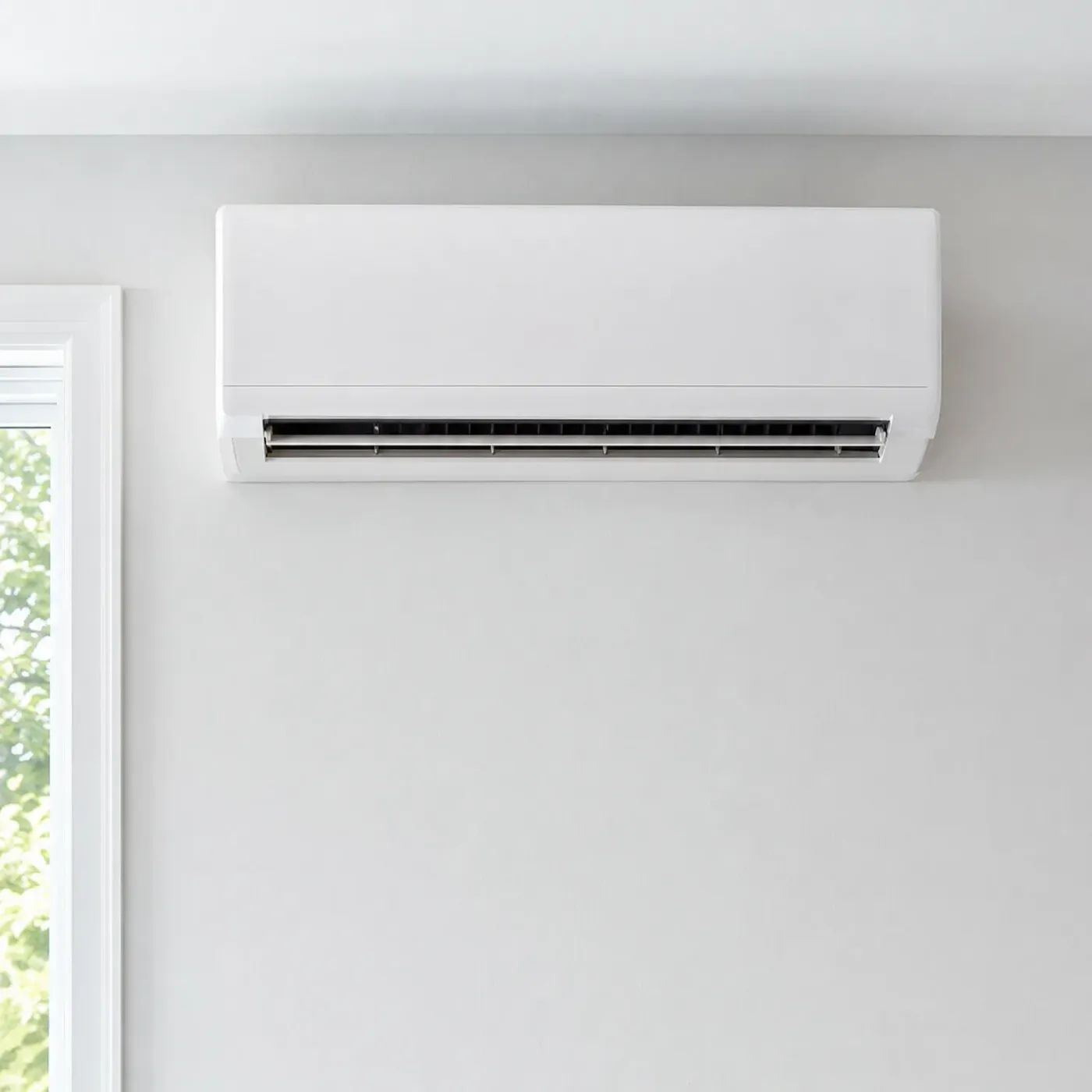
A white wall-mounted mini-split air conditioner unit installed high on a light gray interior wall near the ceiling, with a white-framed window and green foliage visible at the left edge.
After you get your mini split installation

That short drop in warm air you feel on a hard freeze night isn't the unit struggling. It's defrosting. For a few minutes the system runs backward, sending warm refrigerant out to the outdoor coil to melt the frost that's built up on it, then switches back to heating once it's clear. The indoor fan usually slows or stops during that stretch so it isn't pushing cold air into the room while the coil outside is doing its work. How often that happens depends on more than the thermometer. A damp, windy night in north Alabama can load up frost faster than a dry, still one at the same temperature. What's around the outdoor unit matters too. If the coil and base pan don't have room to drain, the water from each defrost cycle can refreeze into ice instead of running off, which makes the next cycle worse. A mini split that was sized for your place to begin with, including the cold snaps it has to handle, runs this cycle less often than one that's too small for the square footage it's heating.

What defrost cycles mean for you

  • The defrost cycle reverses refrigerant flow for a few minutes to melt frost off the outdoor coil before switching back to heating.
  • During defrost the indoor fan usually cuts out or slows so it doesn't blow cold air into the room.
  • A mini split with a backup heat strip or auxiliary element can carry the load while the compressor is tied up defrosting.
  • Frost builds faster on nights with high humidity and wind, so two freezes at the same temperature can behave differently.
  • The outdoor unit needs clear space around its coil and base pan so meltwater can drain instead of refreezing into ice.
  • Units sized and installed for the colder pockets of north Alabama run defrost cycles less often than one undersized for the space.
A woman in a cream knit sweater sits in an armchair with her eyes closed and a slight smile, beside an open window showing orange autumn foliage, with a mug, books and a lit candle on a small side table.
An older man with gray hair and a beard leans back on a beige sofa with his eyes closed, in a sunlit room with potted plants, a wicker chair and large windows behind him.

Where this leaves you

  • Most mini splits lose real heating power somewhere between 5 and 15 degrees Fahrenheit, a range north Alabama can reach during a hard freeze.
  • A unit sized and installed for your specific home handles a cold snap without the compressor straining to keep up.
  • The wrong size or a rushed install is what turns a normal cold night into a cold room and a higher bill.
  • A licensed installer working in Alabama year round has seen which units hold up through a hard freeze and which ones fall short.
  • You get matched with one contractor local to your area, not a batch of calls from companies that don't know your winters.
  • Getting the sizing and installation right now is what decides whether your mini split keeps up the next time temperatures drop.

The cold itself isn't the problem. A mini split sized and installed right for your home will keep making heat through a north Alabama hard freeze, even as outdoor temperatures pass the point where output starts to drop. What turns that same cold night into a cold room is a unit that was never matched to your space, or an install that cut corners on the line set, the refrigerant charge, or the placement of the outdoor coil. Those mistakes don't show up in October. They show up the first time it drops into the teens and stays there.

That's why the installer matters as much as the equipment. Someone who works on these systems in Alabama all year has watched which units hold their heat through a hard freeze and which ones start blowing cool air a few hours in. They've seen the install mistakes that only surface once winter actually tests the system. That's not something you can check from a spec sheet.

When you put in a request, it goes to one contractor, licensed and local to your part of Alabama, not a handful of companies competing for the job. That means someone who already knows what your winters do to this equipment, not a stranger reading your address off a screen. Getting the sizing and the install right now, before the next cold snap, is what decides whether your mini split keeps up or you're back to a cold room and a higher bill in January.

Corner of a house with light horizontal lap siding, a white gutter and downspout, and a window, beside a mulched bed with small shrubs, a lawn, wooden fence and trees in the background.
Close-up of a white gutter along an asphalt-shingle roof edge with dry brown leaves collected in it, a downspout and lap siding below, and blurred autumn trees in the background.
Exterior corner of a house with horizontal lap siding above a stone veneer base and a dark-framed window, with ornamental grasses and shrubs in the foreground and trees in low sunlight behind.
A white horizontal-siding house with a steep gray shingled gable roof, fronted by trimmed shrubs, a brick walkway, and a lawn scattered with fallen autumn leaves.
Corner of a house with cream horizontal lap siding, a black-framed window, asphalt shingle roof with dark fascia, white hydrangea blooms and green shrubs below, and a leafy tree and wood fence to the right.

A mini split pro near you

The pro who reaches out is licensed in Alabama.

Get my match

There's no charge for the request.