A pro who works on mini splits
Does a mini split lower heating bills in Alabama
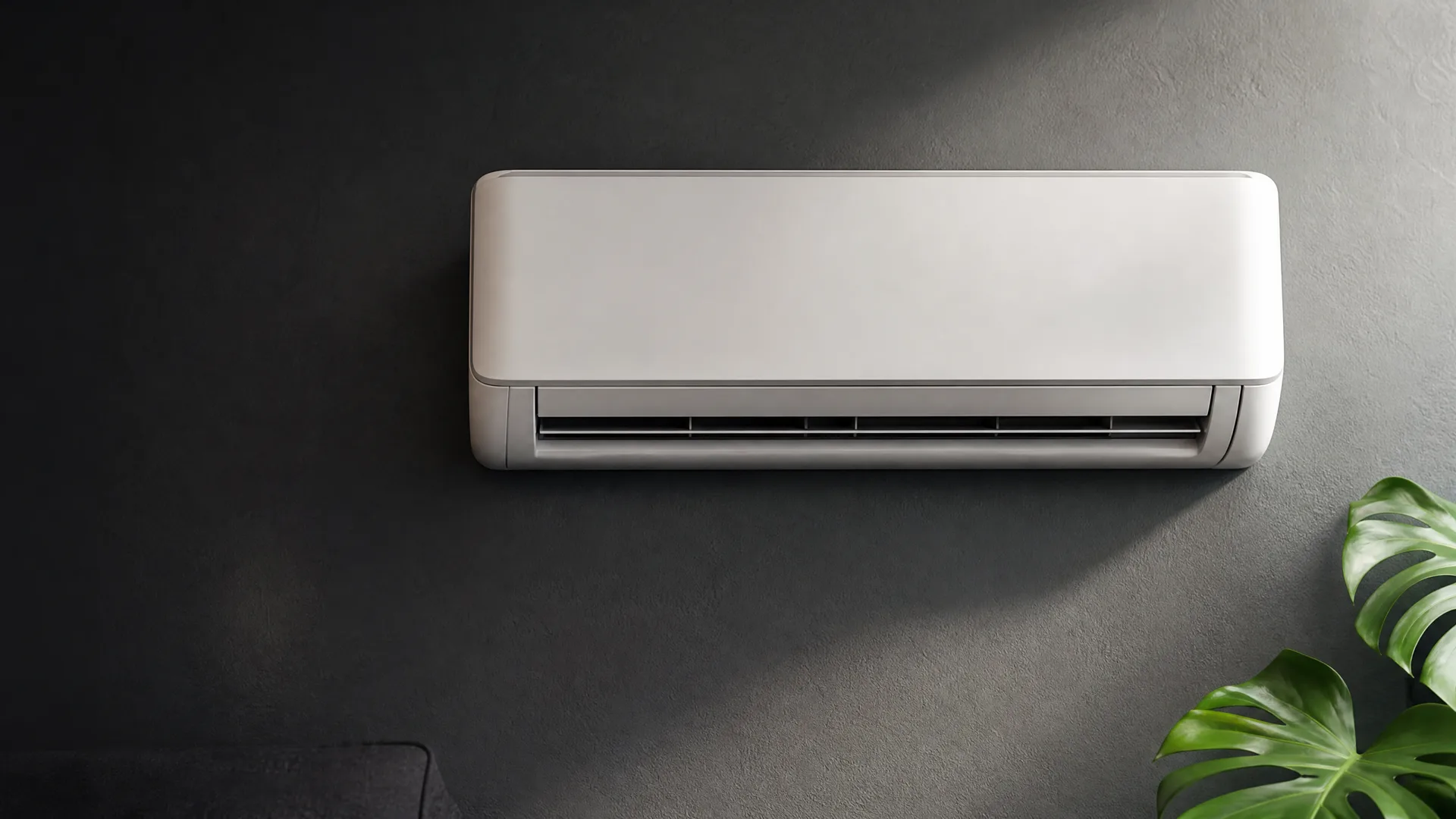
Most homes in Alabama heat with electricity, and that electricity isn't cheap, so the question is whether a mini split actually brings the bill down or just moves the cost around. The answer depends on your home and what the mini split is replacing. Below, what to check, and a contractor who can look at your setup and tell you where you stand.
Match me with a proYes, a mini split usually lowers heating bills in Alabama, because it moves heat into the house instead of making it the way a furnace or electric resistance heat does. Winters here are mild, which is exactly where a mini split does its best work. The colder the air outside, the harder a heat pump has to work to pull heat from it, and the less it saves you. In a place with short, mild winters, it rarely has to strain, so it keeps that efficiency most of the season. If the mini split is replacing baseboard heat or an electric furnace, the drop in your bill can be real and noticeable. If it's replacing a gas furnace, the savings are smaller and depend on what gas costs you compared to electricity. Either way, the biggest factor is what system you're coming from, not just the mini split itself.
Why a heat pump costs less
A furnace or electric baseboard makes heat by burning fuel or running current through a resistor. A mini split moves heat that is already outside into the house instead. That takes less energy for the same warmth. On a 40 degree day in Alabama, a mini split can put out two to three times more heat than the electricity it uses would produce on its own. A furnace or baseboard heat can't do that. It tops out at the energy you put in.
Where the savings run out
A mini split's advantage shrinks as the temperature outside drops. Below freezing, the unit has to work harder to pull heat from the air, and most models lean on backup electric strips once it gets cold enough. Alabama rarely sees stretches like that, which is why the savings hold up most winters here. If your home sees more hard freezes than most, check how your system handles those nights before counting on the same numbers every month.
Is your old heat strip costing you more than it should
If you're heating with electric baseboard or an old electric furnace, check your bill next to a neighbor who already switched. That gap is what the resistance heat is costing you. You might also notice certain rooms never feel quite warm, or the system runs almost constantly once it drops into the 30s at night. That's the resistor working harder, not smarter, to keep up. None of that is a safety risk, but it is money going into the walls as heat you're paying full price for. A mini split sized for your home and installed by someone who accounts for Alabama's mild winters is what closes that gap.




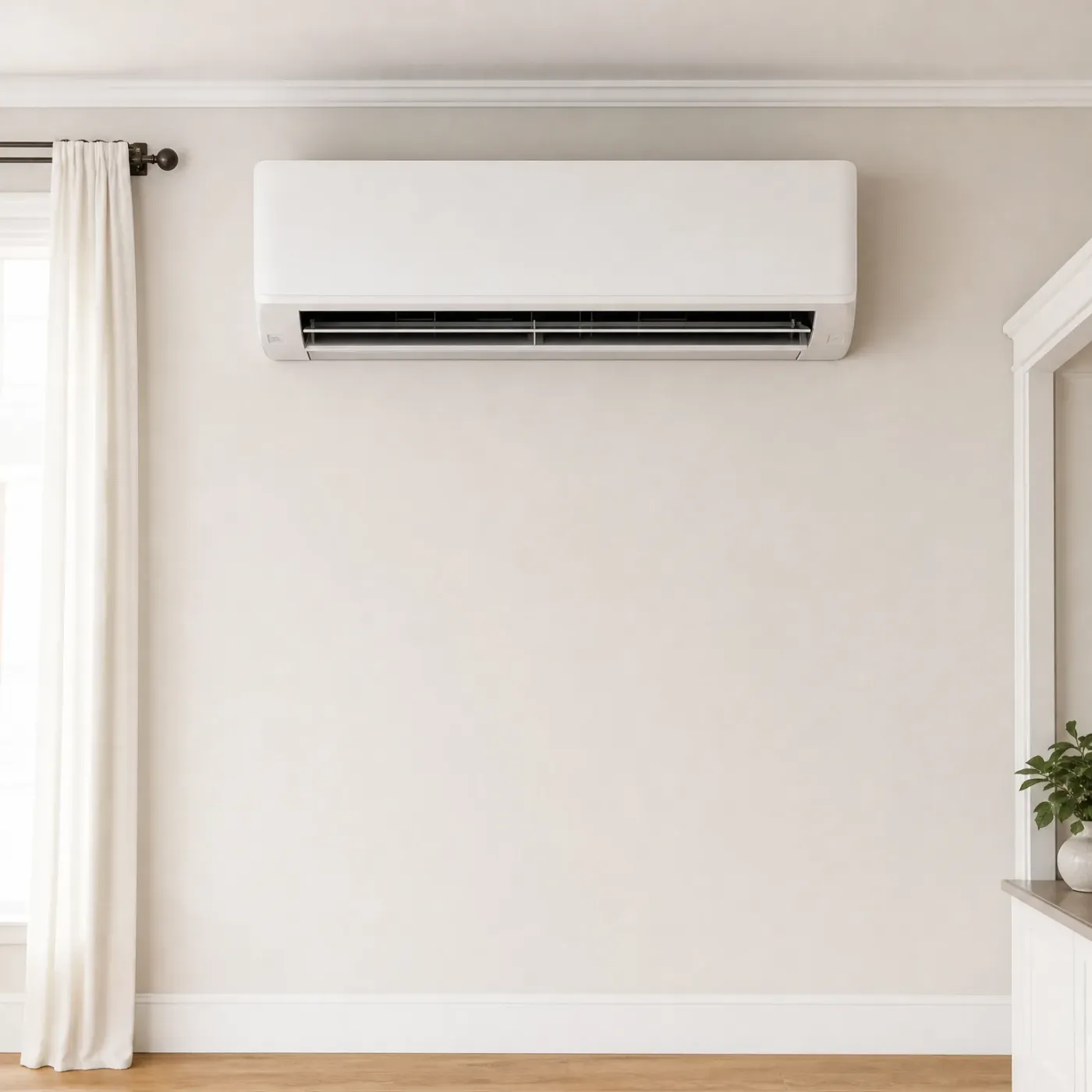
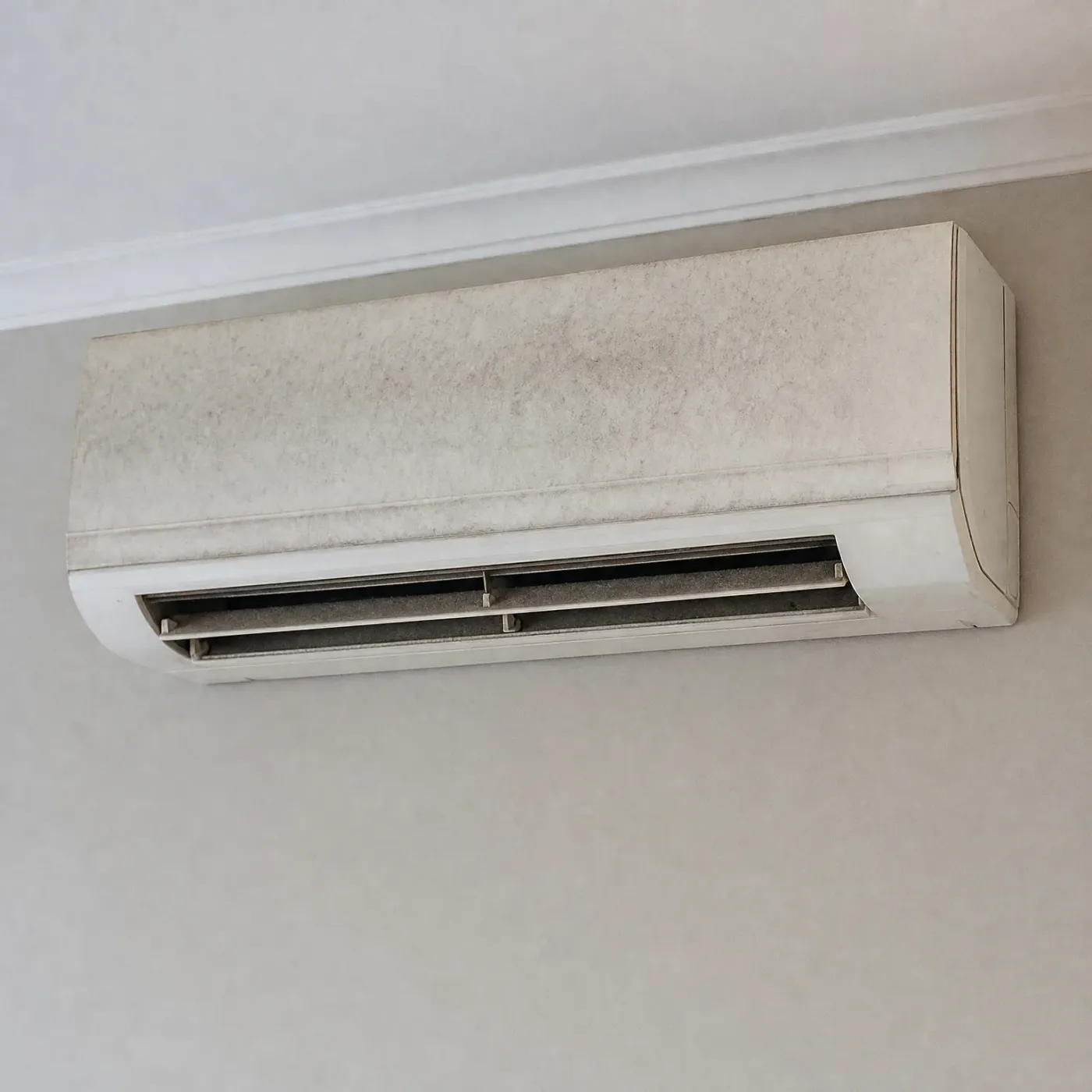
Outside, the unit has a coil full of refrigerant that pulls warmth out of the air, even on a cold night. A compressor squeezes that refrigerant, which raises its temperature, then sends it inside. The indoor head blows room air across a second coil and pushes warm air out through its fan. There is no ductwork involved, no furnace burning anything. The harder part of the job comes when the temperature outside drops. There is less heat in the air to grab, so the unit works harder to pull the same amount in. Below a certain outdoor temperature, most mini splits switch on an electric resistance element to cover the gap, and that mode costs more to run than the refrigerant cycle alone. A mild night in Alabama costs less to heat than a cold one, for that reason. The same equipment handles summer too. Reverse the refrigerant flow and the unit pulls heat out of the house instead of bringing it in, which is why one system covers both jobs.
How the heat actually moves
- The outdoor unit pulls heat from the outside air using a refrigerant coil, even when it is cold outside.
- A compressor squeezes that refrigerant to raise its temperature before the indoor unit releases the heat into the room.
- The indoor head blows air across a second coil and sends warm air out through a fan, not through ductwork.
- Below a certain outdoor temperature, most mini splits add electric resistance heat to make up the difference, which costs more to run.
- The unit works harder as the outdoor temperature drops, so a mild night costs less to heat than a cold one.
- A mini split can heat and cool from the same equipment, switching modes by reversing the flow of refrigerant.
Get your mini split to the right pro
You already know what your power bill looks like after a cold snap, and you know whether your mini split is pulling its weight or just running alongside an old furnace or a set of baseboards that still do most of the work. If the mini split is your main heat and it's sized right for the room, you're already seeing the savings. If it's fighting an oversized space, a bad install, or a unit that was never matched to your home, the numbers won't move the way they should, and no amount of running it harder will fix that. The difference between those two outcomes usually comes down to how the system was set up in the first place. Getting someone who installs these for a living to look at your specific setup, your ductwork or lack of it, your square footage, what you're heating alongside it, tells you which side of that line you're on, and whether the fix is a new unit, a better placement, or just letting the one you have do its job.
How a mini split actually heats
- A thermostat or sensor calls for heat and the outdoor unit starts pulling warmth from the outside air.
- Refrigerant carries that heat through a line set, a pair of small copper pipes running outside to inside.
- The compressor raises the refrigerant's temperature before it reaches the indoor head.
- A variable speed compressor adjusts output instead of switching fully on and off like a furnace burner.
- The indoor head blows across the warm coil and spreads that air through the room with a fan.
- Below a certain outdoor temperature, most mini splits add a small amount of electric resistance heat to keep up.
A mini split does not make heat the way a furnace or a set of baseboards does. It moves heat that is already sitting in the outside air into the house. The outdoor unit has a refrigerant coil that pulls warmth out of that air, even on a cold morning, because air still holds usable heat well below freezing. That refrigerant travels through the line set to the compressor, which raises its temperature before sending it on to the indoor head. The compressor in most mini splits is variable speed, so it ramps up and down to match what the room needs instead of firing on full blast and then shutting off the way a furnace burner does. That steadier operation is part of why a mini split tends to use less power for the same amount of heat. The indoor head takes it from there, pulling room air across the warm coil and pushing it back out with a fan until the thermostat is satisfied. There is a limit to this. Once the outdoor temperature drops far enough, the refrigerant can no longer pull enough heat from the air by itself, and most mini splits switch on a small amount of electric resistance heat to make up the difference. In Alabama, that backup heat runs rarely, since outdoor temperatures that low are not common here.


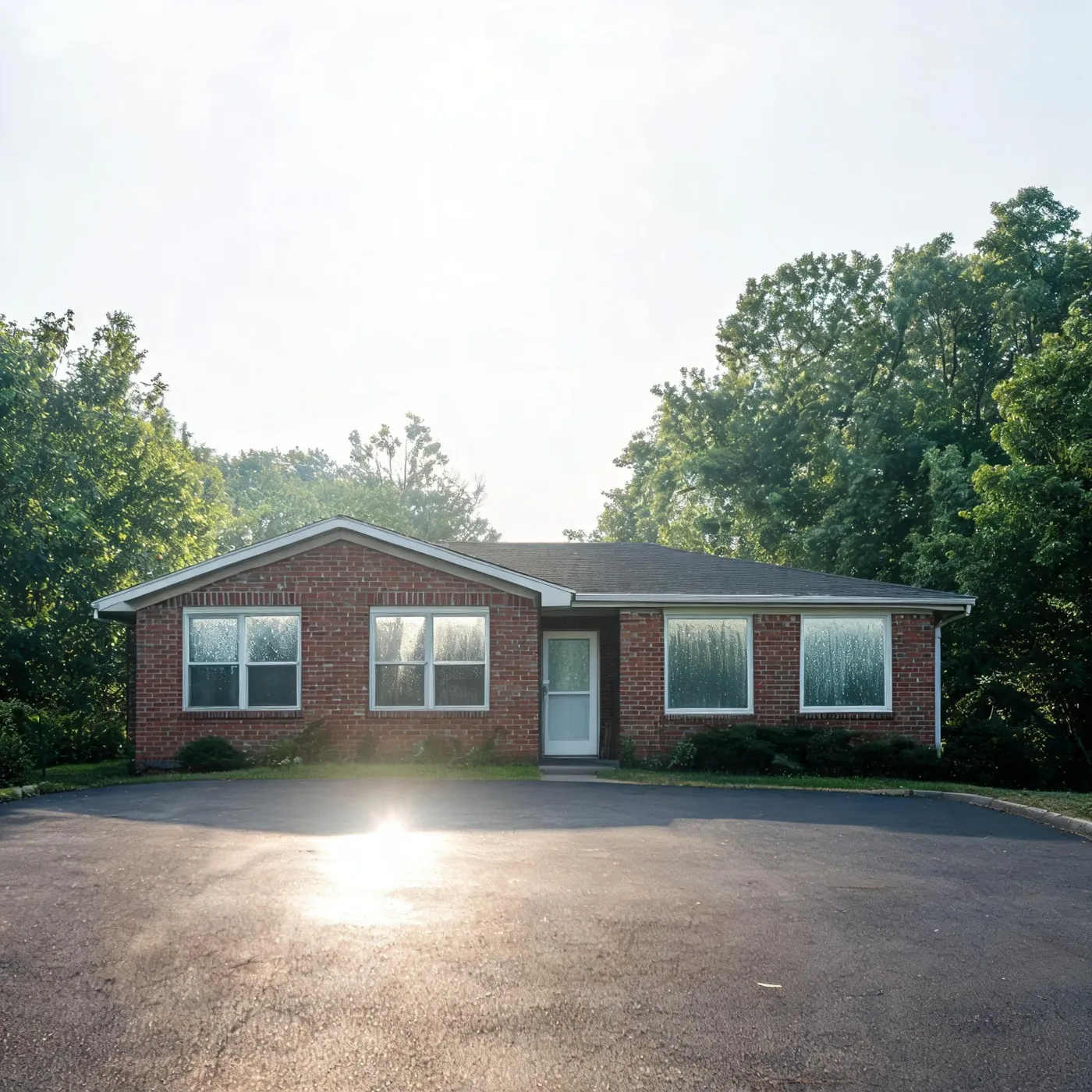
Summers here run heavy. Alabama's summer dew point averages 69°F, which is the muggy, hard-to-breathe kind of air. That same mini split that heats your home in winter is pulling moisture out of the air all summer, and heavy air makes the unit work harder to do it. A dirty filter or a coil caked with dust makes that job harder still, and the unit ends up running longer to get the same relief. Keeping it clean matters as much in July as a tight heat pump matters in January. Source: regional dew point averages.
NASA POWER T2MDEW county cells weighted by homes
Main Heat or Backup to Old Heat
Mini split as main heat
- A mini split sized for the whole house handles cold snaps on its own, without baseboards or a furnace kicking in to help.
- You get one bill driven by one system, so the savings from moving heat instead of making it show up every month.
- Below the unit's rated low temperature, the compressor leans on backup heat strips if it has them, and that backup runs on resistance.
- A single oversized living room unit can leave bedrooms and bathrooms cold, which pushes people to plug in space heaters anyway.
- If the mini split is undersized for the square footage, it runs constantly in the coldest months and the savings shrink.
Mini split alongside old heat
- If baseboards or an old electric furnace still carry the coldest nights, you're paying for two systems instead of one.
- The mini split lowers the load on the old heat, but the old heat still shows up on the bill whenever it's cold enough to need it.
- A mini split covering one or two rooms well can still leave the rest of the house on resistance heat full time.
- Running both lets you compare them directly, since you can watch the bill change as you shift more rooms to the mini split.
- Whatever savings you see reflect only the hours the mini split actually carried the load instead of the furnace or baseboards.

A thermostat calls for heat and the outdoor fan and compressor switch on.
The outdoor coil pulls heat out of the outside air into refrigerant.
The compressor squeezes that refrigerant, raising its temperature further.
Hot refrigerant travels through the line set into the indoor head.
Power costs 16.09 cents per kilowatt-hour statewide
At 16 cents a kilowatt-hour, every degree you push through electric resistance heat costs you. A mini split moving that same heat instead of making it is where the real savings show up on your bill, especially if baseboards or an old electric furnace are what it's replacing.
EIA-861 2025 statewide residential average

So the answer is yes, if it's doing the heating
A mini split brings down a heating bill in Alabama when it's the thing actually making the heat. Replace a baseboard or an old electric furnace with one and the savings are real, because winters here rarely ask more of the unit than it can give. If the mini split is just running next to the old system, the old system is still the one costing you money.
Whether that's happening in your house isn't always obvious from the thermostat. A contractor who's looked at your ductwork, your current setup, and how the mini split is sized can tell you which one it is, and what it would take to get the savings you're not seeing yet. Once you send the request, that part isn't on you anymore. Someone who handles this in your area will have what they need to reach out and look at your specific setup.

The right pro for this job