Running the way it should
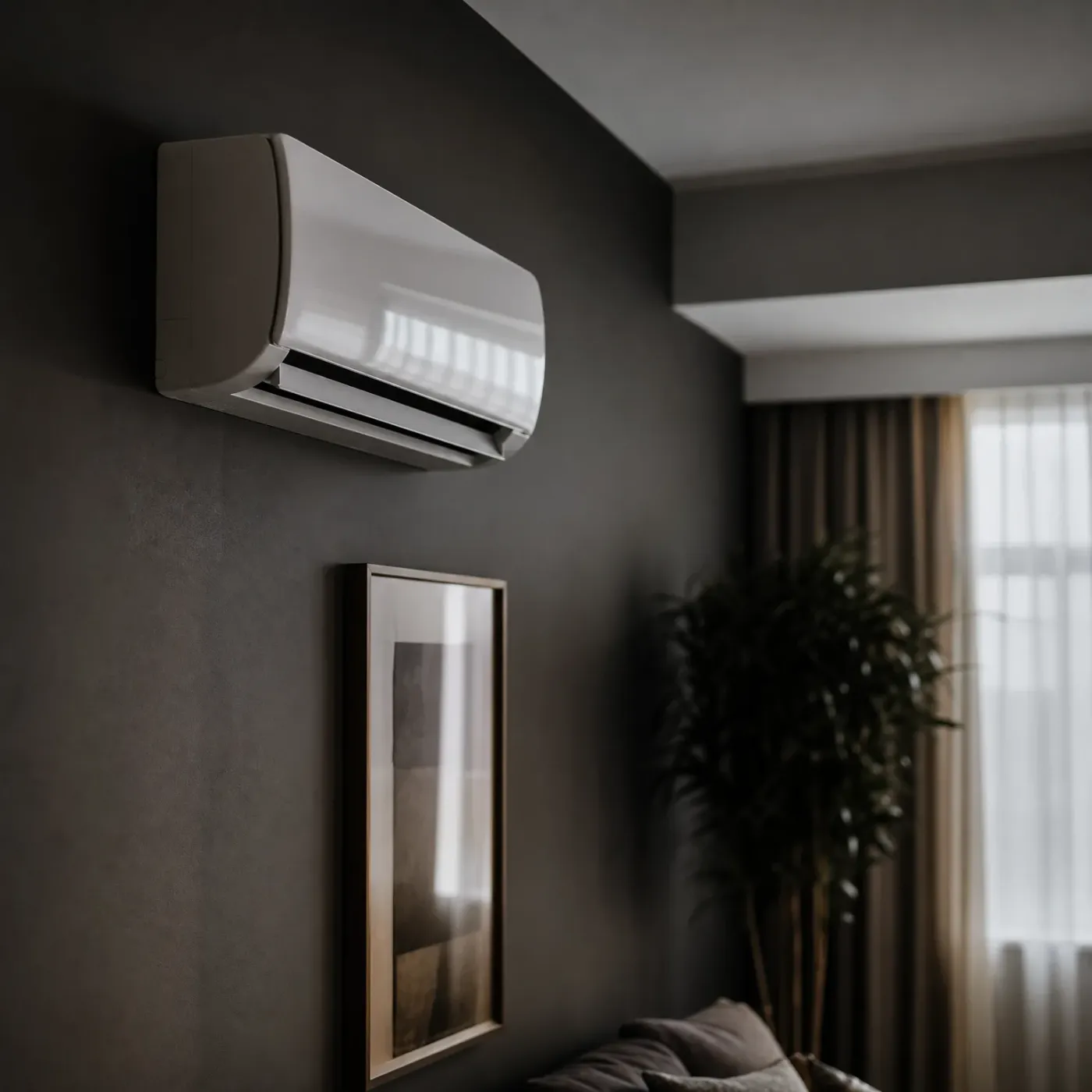
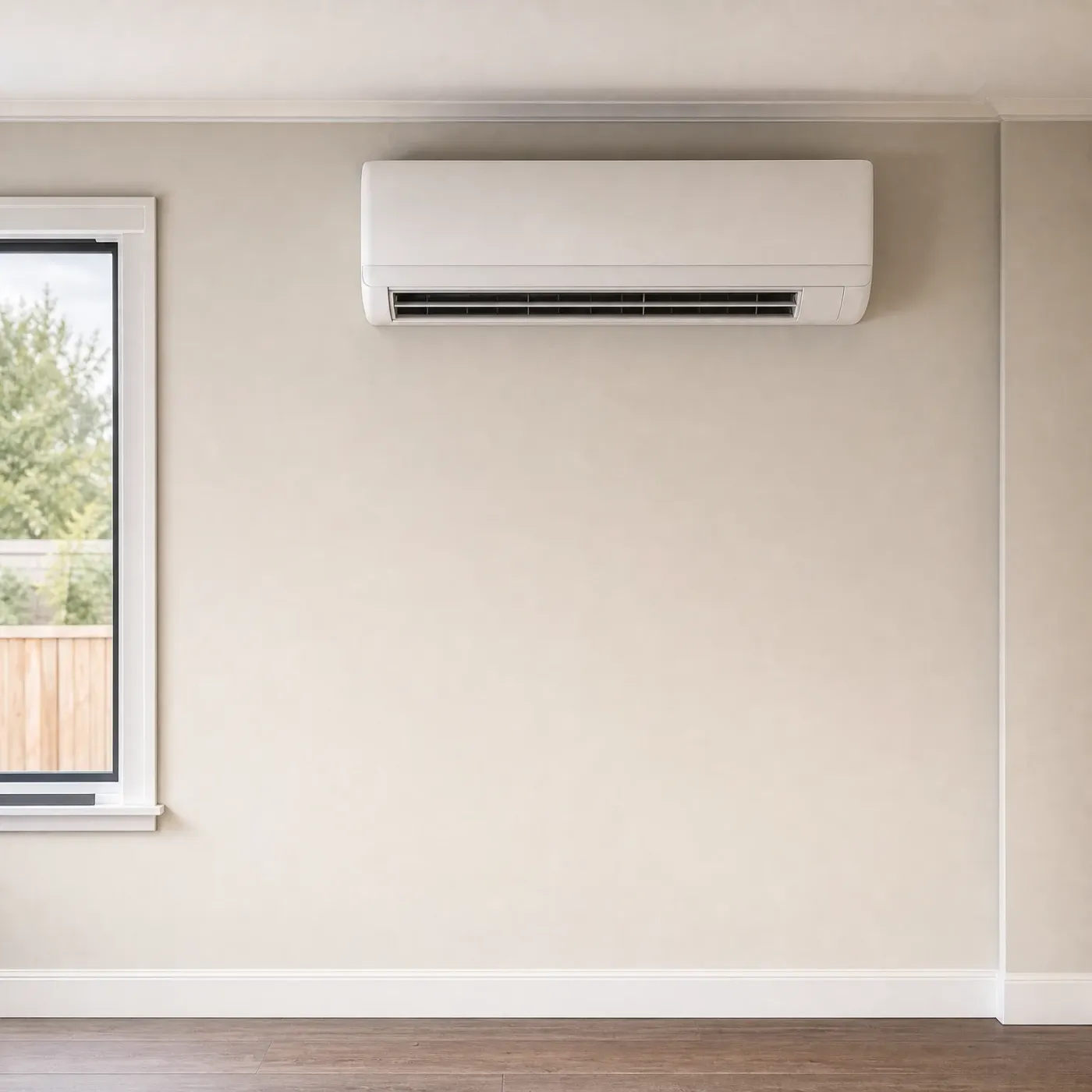
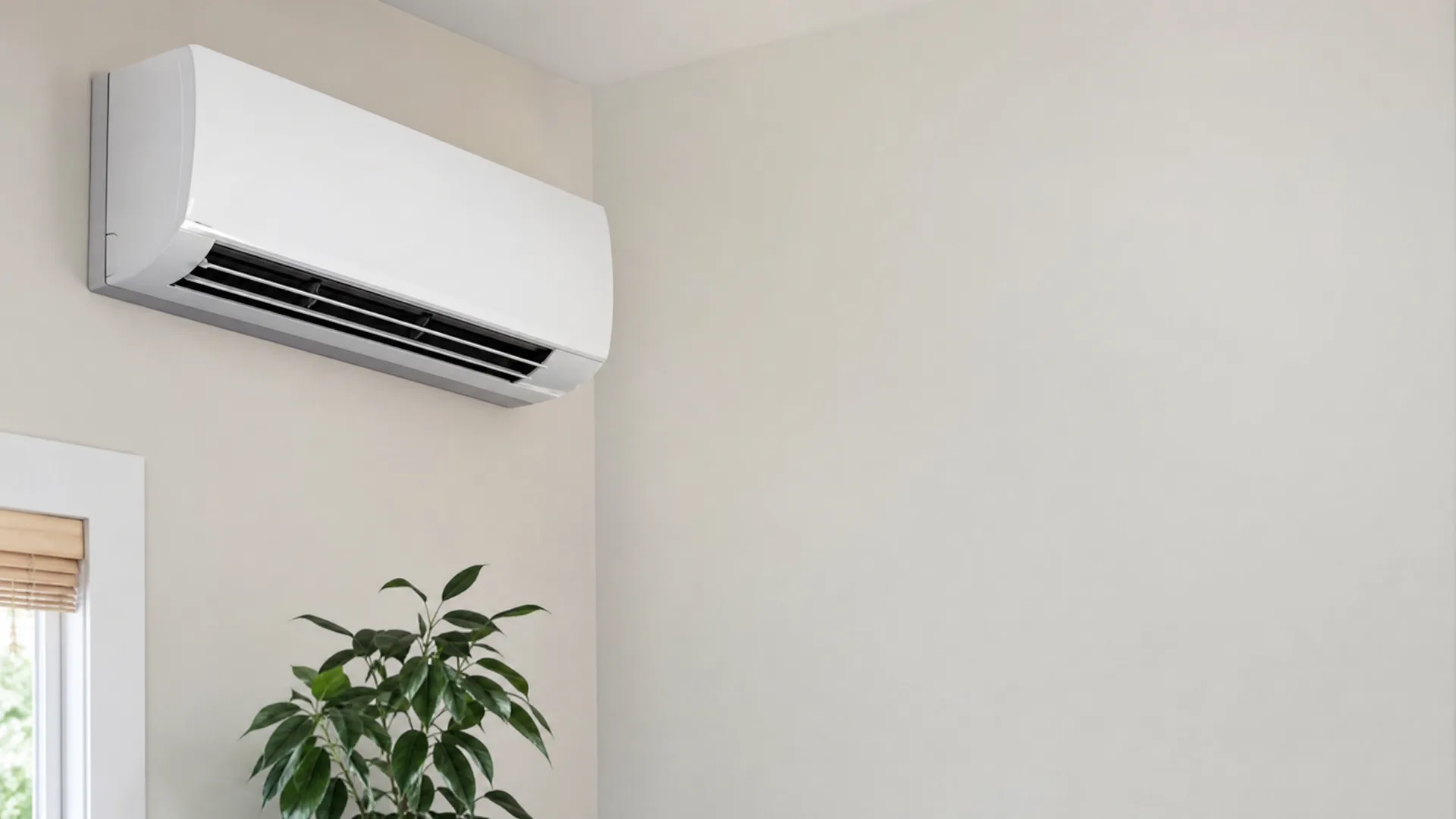
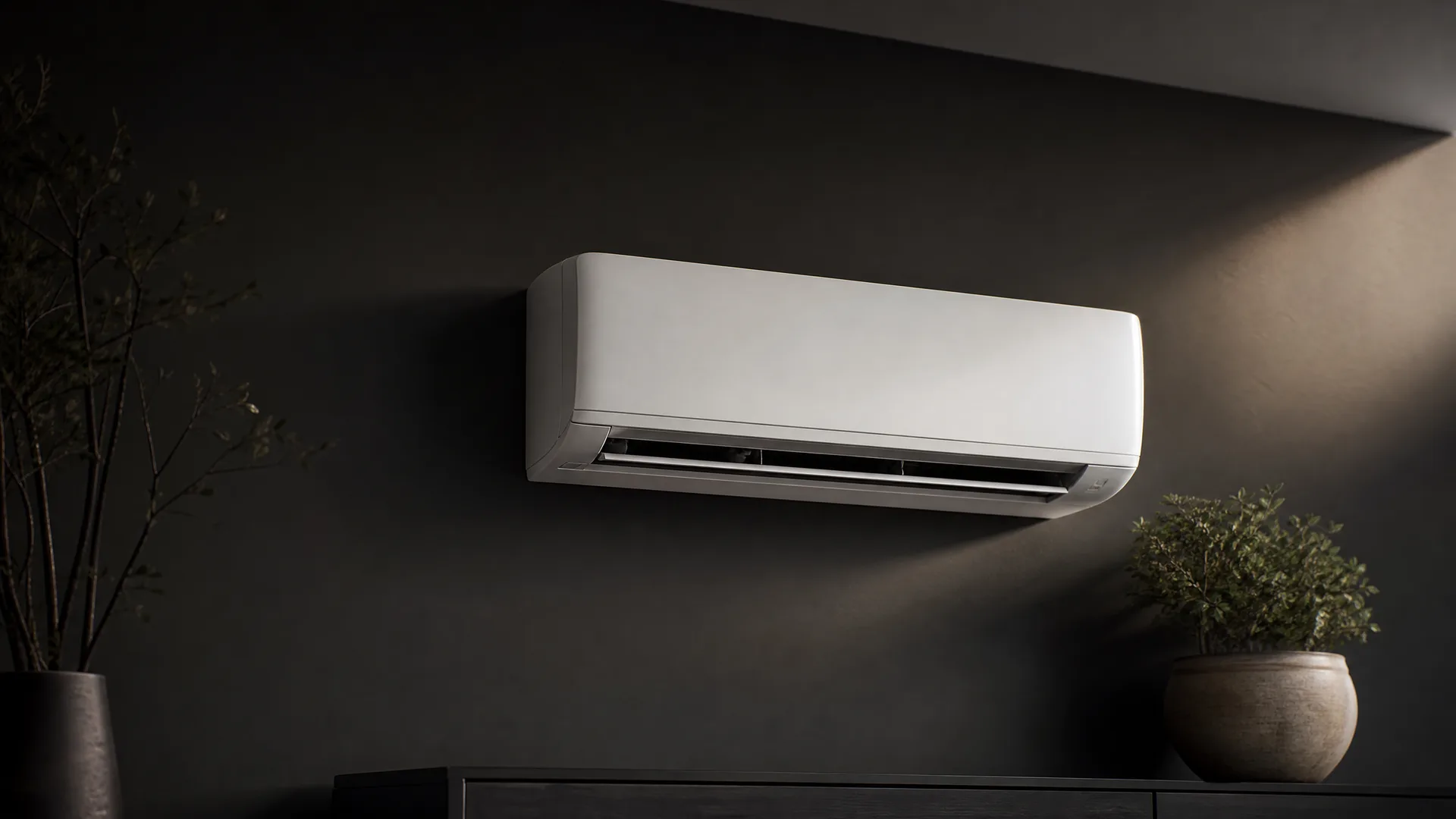
This is what a mini split looks like doing its job. The casing is clean, the vents are clear, and warm air moves out across the room without the outdoor unit straining to keep up on a cold morning.
A local pro for your mini split installation
A mini split cools well in Alabama's muggy summers, but can it carry your house through winter too, without the electric bill running away from you? That's what this page gets into: what a mini split can and can't do as your only heat here, and what to check before you count on it. If you want a contractor who knows mini splits in your area to look at your specific setup, you can get matched with one below.
Find my proA mini split can be your only heat in Alabama. Winters here are mild compared to a lot of the country, and a modern heat pump keeps working well below freezing, so it doesn't lose its grip on the kind of cold Alabama actually gets. The part that matters is sizing. A mini split sized to cool one or two rooms in August won't necessarily cover the whole house when it's 30 degrees outside, and an undersized unit will run constantly and lean on electric resistance backup to make up the difference. That backup heat is what drives the bill up, since most homes here already heat with electricity and power isn't cheap. The fix isn't a different kind of system, it's getting the unit, or units, sized and placed for your house and your coldest nights, not just your summer load.



On a cold snap morning you'll notice if the unit can actually hold the room. The air coming off the indoor head should still feel warm to the hand, not lukewarm. If the outdoor unit is running nonstop and the room still isn't climbing to where you set it, it's working harder than it should for a space that size. Since most homes here heat with electricity already, a mini split that's struggling doesn't just leave a cold room, it runs up the bill doing it, and power here isn't cheap. Frost building up on the outdoor unit that doesn't clear between cycles is worth watching too. A system sized and installed right for your house shouldn't leave you checking the thermostat twice before breakfast.
A mini split doesn't make heat the way a furnace does. It moves heat from outside air into your house, even when that air feels cold to you. The refrigerant inside the outdoor unit is colder than the air around it, so it still picks up heat and carries it inside. That's why the system keeps working through an Alabama cold snap instead of giving up once the temperature drops below 50.
Every mini split has a rated output at a given outdoor temperature, and that number drops as it gets colder. A unit sized for your square footage on a mild day can fall short once it's 30 degrees outside. That gap is where backup heat or a second unit comes in. A contractor who sizes the system against your coldest mornings, not just your summer load, is accounting for that drop before it becomes your problem.
Skip collecting and comparing quotes for the new mini split.
A local installer who puts in mini splits gets your project.
It costs nothing to send, and you don't have to hire anyone.
If a mini split is doing all the heating in your house, a winter power outage is a real worry, not just an inconvenience. You want to know what actually happens to the house, and to the unit, when the electricity cuts out, and whether you're left with no way to stay warm until it's back.
A mini split runs on electricity from top to bottom, the compressor outside and the fan inside, so when the power goes out it stops just like baseboard heat or a furnace with electric ignition would. There's no pilot light or battery backup keeping it going. The house will start losing heat at whatever rate it normally loses heat, and how fast that happens depends on the insulation and how cold it is outside. This isn't a reason to skip a mini split. Most homes in Alabama already heat with electricity, so a furnace wouldn't save you here either, unless it runs on gas with standing pilot ignition.
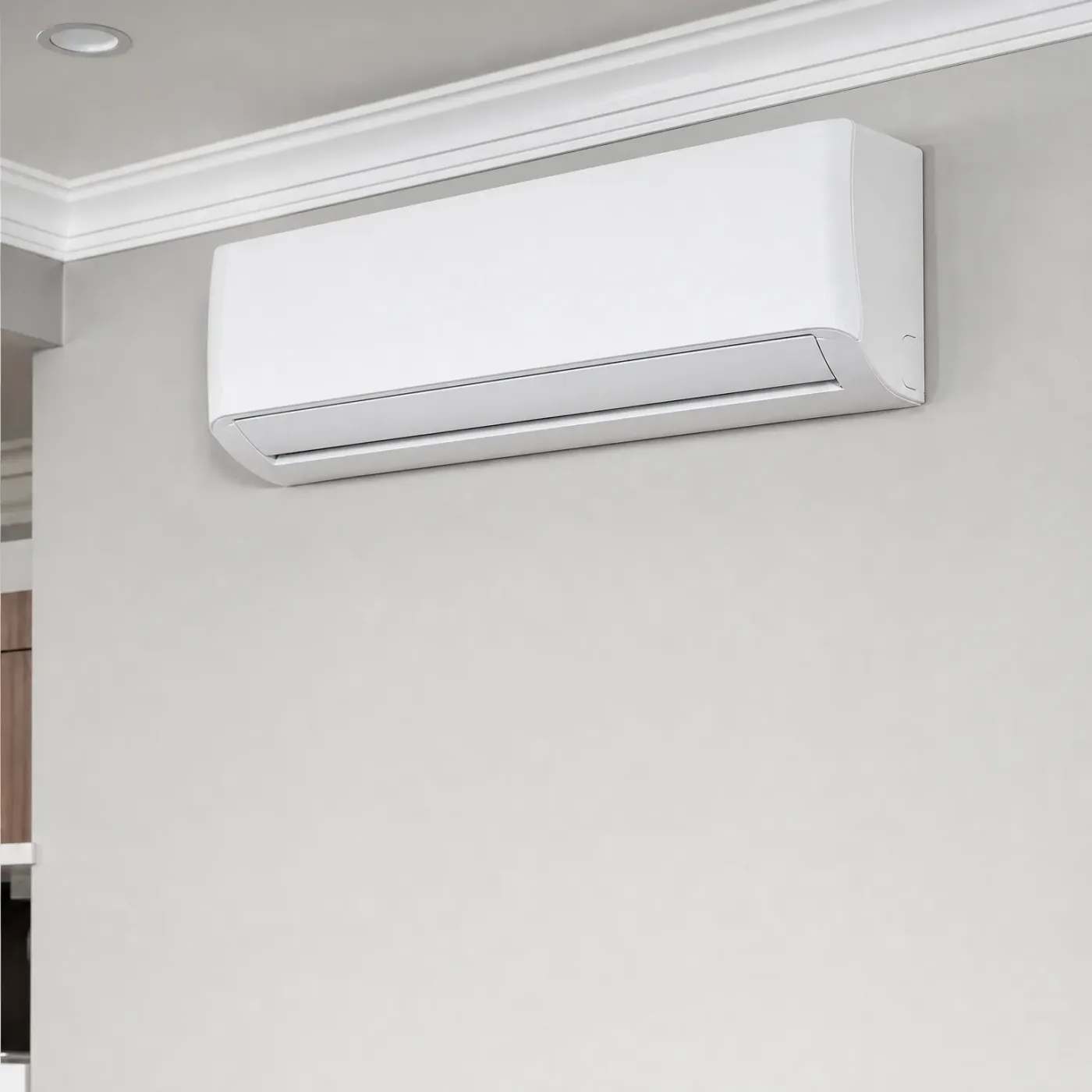
This is what a mini split looks like doing its job. The casing is clean, the vents are clear, and warm air moves out across the room without the outdoor unit straining to keep up on a cold morning.
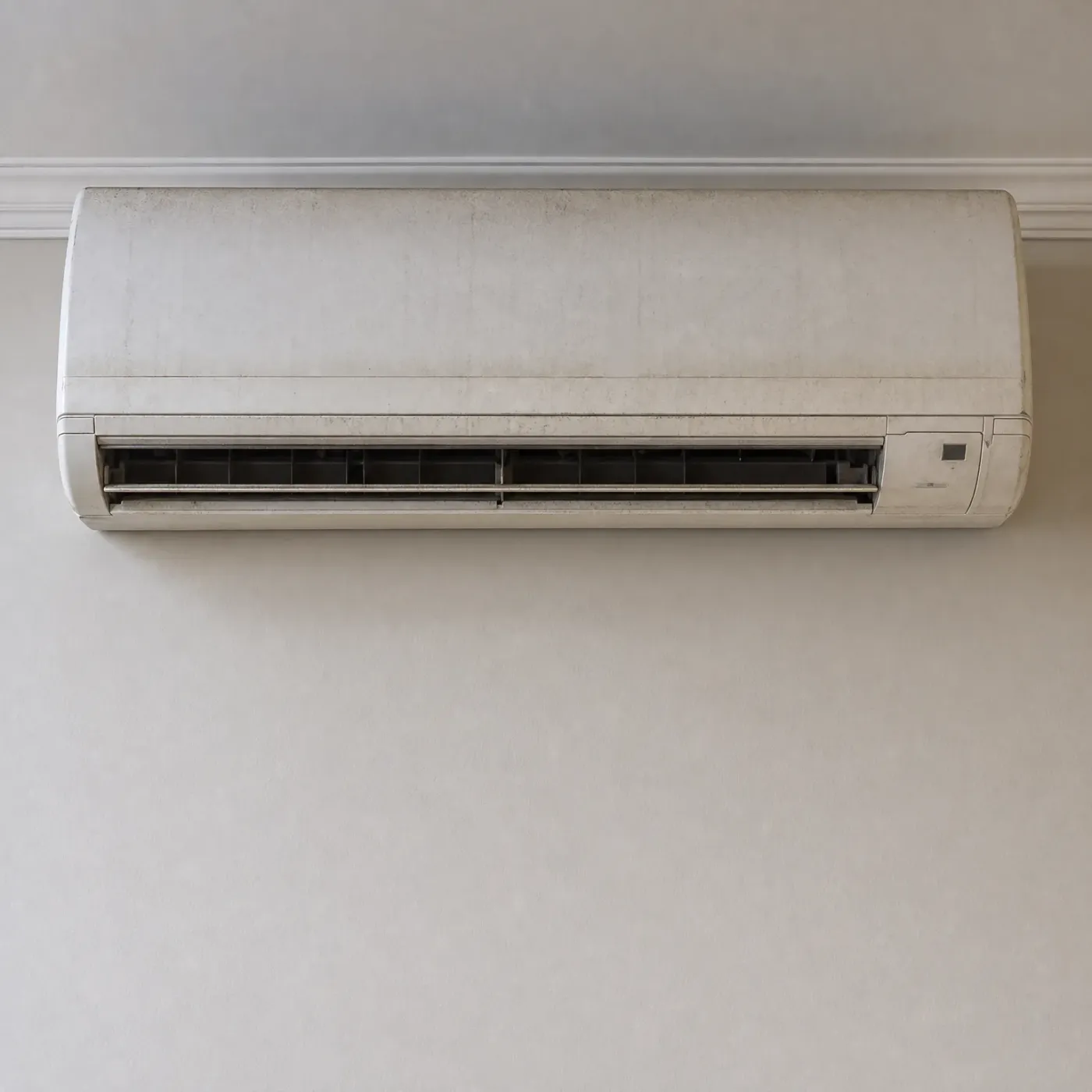
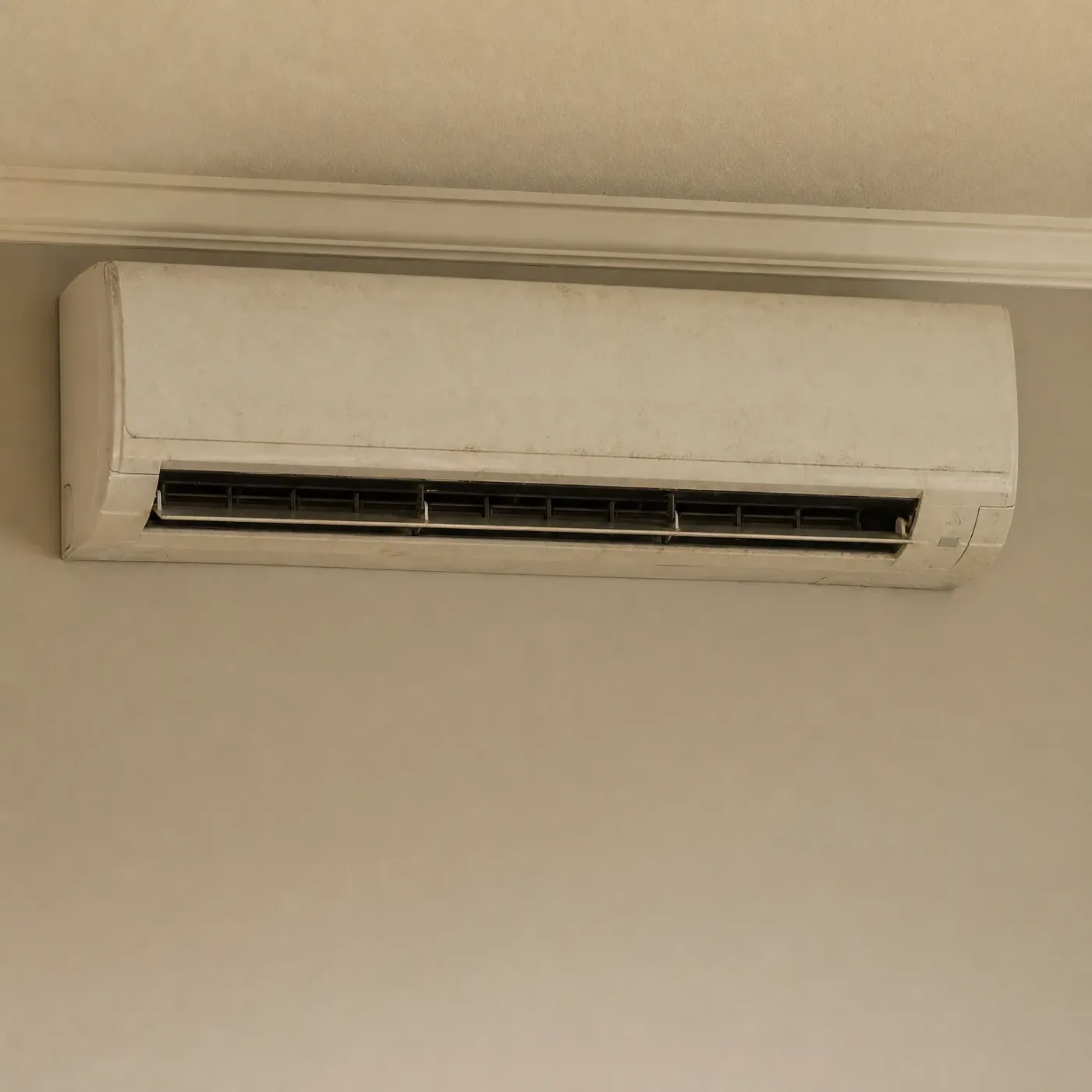
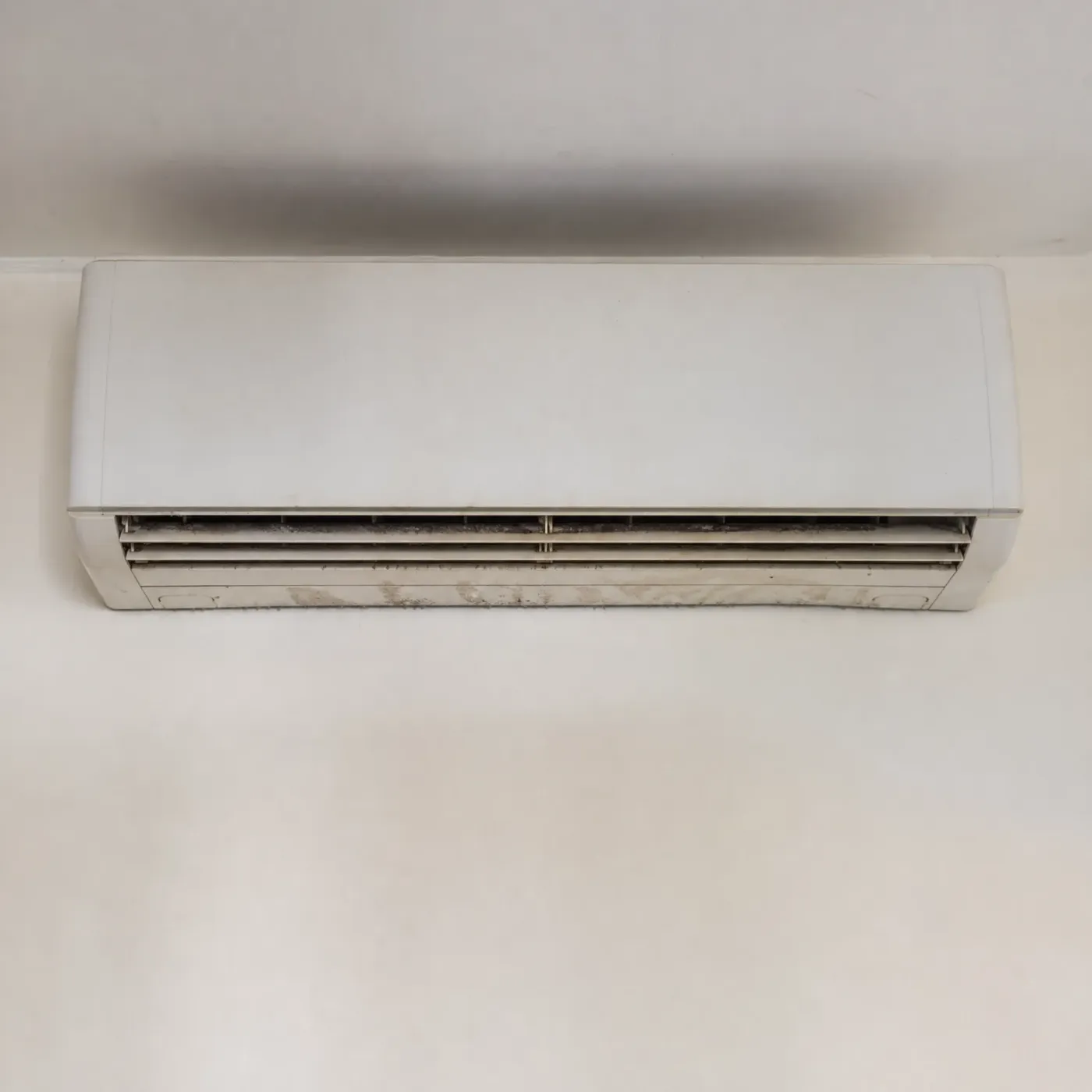
Dust and yellowing on the casing usually mean a unit that has been working a long time without a filter cleaning or a service check. A mini split in this shape is more likely to come up short as your only heat.

Most homes in Alabama already heat with electricity, so you're not comparing a mini split against a cheap gas bill. You're comparing it against baseboard or strip heat, and that's a fight the mini split wins most mornings, because it moves heat instead of generating it with resistance wire. The real question is whether the one you have is sized and placed for the rooms it's covering, and whether the ductwork or layout around it is working with it or against it. That's not something you can tell by looking at the unit on the wall.
If it's undersized or the install cut corners, you'll feel it first in the rooms farthest from the indoor head, and then in a power bill that climbs past what a mini split should cost to run. Figuring out which one you have, and what it would take to fix it, means getting someone out to actually look at your system and your house. That's the part that takes the time: finding a contractor, explaining the setup over the phone, waiting on quotes. Getting matched with one who already knows what to check skips that part.

That mild winter case still leaves summer to deal with. Averaged across homes in Alabama, the dew point runs 69°F through June, July and August, per NOAA climate data. That's heavy, sticky air, the kind where your shirt sticks to your back just walking to the mailbox. A mini split handles that differently than it handles heat. Pulling that much moisture out of the air takes steady run time, not just cold air blowing. You'll notice the indoor head cycling on and off less and running longer and slower instead, and the room will feel dry as well as cool, not just cool.
NASA POWER T2MDEW county cells weighted by homes


Keep the mini split as the only system
One unit means one thing to maintain, but it also means no backup on the coldest morning of the year if something in it fails.
At 16.09 cents a kilowatt-hour, every degree you push a mini split to make up for a weak furnace or an undersized unit shows up on the bill fast. Since most houses here already run on electric heat, getting the sizing right the first time is what keeps that bill reasonable.
EIA-861 2025 statewide residential average
A mini split sized right for your house can handle an Alabama winter start to finish. The mild stretch of cold here is exactly what a modern heat pump is built for, and the unit that struggles isn't struggling because of the climate. It's struggling because it was never matched to the room in the first place. That's the whole answer: size and setup decide whether this works, not the brand on the outdoor unit.
What that means for you is the real work isn't deciding whether a mini split can be your only heat. It's making sure the one going into your house is sized for it. That means someone looking at your actual rooms, your layout, where the heat loss happens, before anything gets installed. Skip that step and you end up finding out the hard way, on the first cold morning, with a unit that runs nonstop and still leaves the room short.
Getting to that point usually means calling around to a handful of contractors, explaining your house and your situation to each one fresh, waiting on quotes that show up on different days in different formats, and trying to judge who actually knows mini splits against who just installs them. That's hours you could spend elsewhere, and it's easy to get it wrong even after all that. The part worth outsourcing isn't the install. It's the search for who should do it.
A pro who works on mini splits